
















Playrooms

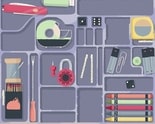





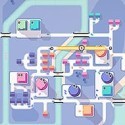







The balls in Playrooms are both your job and your money: over 200,000 of them lie scattered across the rooms, and every one you carry back becomes currency. Nobody tells you why the work matters, which is the first thing that feels wrong about it. You play an Inventory Care Specialist, and the cheerful ball-pit setting is the cover for a horror game built on liminal spaces and darkness.
| Genre | First-person horror and cleaning simulation |
| Setting | Liminal playrooms inspired by the Backrooms concept |
| Goal | Collect over 200,000 balls and fill the ball pits |
| Danger | Darkness after the shift ends |
| Difficulty | From a mode without fear to one without second chances |
| Mode | Single-player with full controller support |
Over 200,000 Balls and a Job Nobody Explains
The premise is delivered like an employee handbook that forgot to explain itself. You do not know how long you have been working here, but you know what needs doing: collect the balls and bring them back to their ball pits. The size of the task is the joke and the unease at once, because nobody is going to finish 200,000 balls in a single sitting, and the game knows it.
Workplace language runs through everything. Demo updates arrive as notices from Facility Management addressed to the Inventory Care Specialist, and one of them ends with a line saying several incidents on the premises were rearranged and that Facility Management cannot comment further. That deadpan voice is a big part of the appeal.
Backrooms fans will recognise the empty, fluorescent logic of the spaces, though here the emptiness comes with a task list.
What a Shift in Playrooms Looks Like
A shift is built around a simple loop, and early in the game it feels almost relaxing. Creators streaming the demo describe filling a ball pit and reporting anomalies, which hints that observation matters as well as tidying. The work stays the same from room to room, so the loop is learned within minutes:
- Collect the balls scattered around the room.
- Bring them back to the ball pits.
- Fill the pits to unlock new abilities.
- Spend collected balls on the key to the next area.
Beginners tend to wander and carry balls one by one, which works but feels slow. Treating each room like a route, with a clear order from the scattered balls to the pit, saves a surprising amount of time, and the incremental tag on the store page explains why that efficiency feels so satisfying.
Ball Pits, Keys and the Tools That Pay Off
Money and progress are the same thing here. Full ball pits unlock new abilities, collected balls are your currency, and eventually you have enough for the key that opens the next area. Purchasing a key is a visible moment in the game, so the progress always has a face rather than a hidden number.
Equipment follows the same logic. The more balls you collect, the more gear you can afford, from a scoop to a flashlight, and each upgrade makes the next stretch of work feel more manageable. Players who love incremental games and time management will feel at home in this rhythm.
The loop is also the trap. Because upgrades make the job easier, it is tempting to focus entirely on efficiency, and that is exactly when the game reminds you that the shift has an end.
Stay in the Light: When the Shift Ends
When your shift is over, the lights start to go out one by one. After that only one thing matters: stay in the light, because you do not want to find out what is waiting for you in the darkness. Once the lights begin to fail, the cozy work loop turns into a retreat.
A few habits help when the shift winds down:
- Treat the first light that goes out as the end-of-shift warning.
- Plan a route back to a lit area before the darkness takes the room.
- Pick a difficulty that matches how much darkness you want to face.
The darkness is not decoration. The developers warn that the game contains extended sequences in near-total darkness, and they mention no blood or graphic violence, so the fear is built from sound, light and anticipation instead of gore.
Tiles, Water, Endless Corridors and a Hallway With Too Many Doors
The job stays the same but the rooms change, and that is where the liminal horror comes in. You work through tiled spaces, flooded areas, endless corridors and a hallway with more doors than it should have. Each area keeps the same task and shifts the mood, so familiarity becomes the thing the game uses against you.
Small details show how closely players look. Patch notes mention fixing a portal door problem when closing a door while standing in it, and a bird on a rolling chair that now sits where it belongs. Those are the kind of props you only notice after hours in the rooms.
Pay attention to the doors in particular. In a game about repeating a task, the places that quietly break the pattern are the ones worth checking twice.
Where Playrooms Divides Players
The horror is not for everyone. The developers describe jumpscares with sudden loud sound effects, and the long stretches in near-total darkness can be tiring for players who prefer calmer cleaning games. The difficulty setting helps, since you choose how dangerous the job gets, from no fear at all to no second chances.
The loop itself is the other argument. The official description admits that the work stays the same and only the room changes, so players who dislike repetition may wear out faster than those who enjoy meditative tidying. Community threads also show practical complaints about stamina, running and crouching, and some players on older graphics cards report that scenes look dark even in lit areas.
Early reaction to the demo has been positive, though, and the controller fixes in recent updates show the team is listening.
Questions Players Ask About Playrooms
Is Playrooms a horror game or a cleaning simulator?
Both, and the tags reflect that mix. You spend most of a shift collecting balls and filling ball pits like a cleaning simulator, then the lights start to go out and the darkness turns the work into a horror game.
Does Playrooms have jumpscares?
Yes. The developers state that the game contains jumpscares with sudden loud sound effects and extended sequences in near-total darkness. There is no blood or graphic violence, so the scares come from the darkness after the shift and from what waits there.
Can you play Playrooms with a controller?
Full controller support is listed, and demo updates fixed dropdown menus, shoulder button symbols and the whiteboard pointer, which now uses the left stick. Balli’s tips can be reached by controller as well.
Playrooms turns a pile of 200,000 balls into a quiet kind of dread, where every full ball pit buys you a better scoop and every dimming hallway reminds you that the shift always ends. If a flashlight, a key to the next room and Balli’s tips sound like a strange but inviting job, the demo is the easiest way to see whether you can stay in the light.
Comments
There are no reviews yet. Be the first one to write one.
