













Monster Summoner

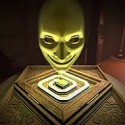
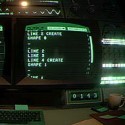







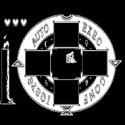
The candle on the left side of the screen is already burning down before you’ve moved a single tile. Four empty summoning tables sit in front of you, loose face tiles drift in from the edges, and somewhere in that mess of monochrome pixels is a monstergirl waiting for four matching pieces to land in the right place. That’s the entire opening moment of Monster Summoner, and it doesn’t slow down from there.
| Genre | Puzzle, tile-matching |
| Visual style | 1-bit monochrome, retro DOS aesthetic |
| Core objective | Summon as many monstergirls as possible before the candle burns out |
| Controls | Arrow keys or WASD to steer tiles onto summoning tables |
| Session length | Single timed round, difficulty rises after each successful summon |
Learning the Summoning Tables
Every tile in Monster Summoner belongs to a specific monstergirl, and the only way to summon her is to get four tiles of her face onto the same table before the round ends. Steer a loose piece with the arrow keys, drop it onto an open table, and watch the slot fill in. Do this four times with matching faces and the table lights up with a completed summon; mix in a tile from a different monstergirl and the table produces junk instead, wasting the slot entirely.
Collisions are the part new players underestimate — if a table already holds a tile in the top-left position and you send another top-left tile its way, the pieces collide instead of stacking, and you lose a heart for the mistake. Losing all your hearts before the candle burns out ends the round outright.
The candle itself is the only clock Monster Summoner gives you. There’s no numeric timer counting down, just the wax visibly shrinking while tiles keep arriving, which makes glancing away from the tables for too long its own kind of risk.
When a Run in Monster Summoner Falls Apart
The game starts out fairly forgiving — tiles arrive at a manageable pace, with enough breathing room to sort matching faces onto the right table without much pressure. That changes the moment you complete your first successful summon. Monster Summoner ramps its difficulty after every table you fill, sending tiles in faster and mixing faces more aggressively, so a run that felt relaxed a minute earlier can turn chaotic without warning.
Most collapses happen for the same reason: a player commits to finishing one table while a second table quietly fills up wrong in the background. Losing track of which table already has a top-left or bottom-right tile occupied is the single most common way hearts disappear.
Players who treat every session as a fresh attempt tend to do better than those chasing one long run, since the difficulty only resets when you start over. Speedrun-minded players lean into that reset deliberately, while more patient players prefer to ride out a single escalating round as long as their hearts hold.
Questions Players Have About Monster Summoner
- What happens if I mix two different monstergirls on one table? The table produces junk instead of completing a summon, wasting that slot for the rest of the round.
- Why did I lose a heart when I didn’t miss a tile? Hearts are lost to collisions, not misses — sending a tile to a table position already occupied by a duplicate counts against you even if the face was correct.
- Does the difficulty ever go back down? No, it climbs after each completed summon within a run; starting a new attempt is the only way to reset the pace, and it also resets your hearts and tables.
Monster Summoner never asks for more than a few minutes at a time, but the way it quietly speeds up after every completed table is what keeps players opening it again after a bad round. Watching the candle burn low while a stray tile drifts toward an already-crowded table is the moment the game turns from puzzle into panic, and that’s usually where the next attempt begins.
Comments
There are no reviews yet. Be the first one to write one.