















Peg Champ
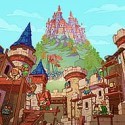












What happens when the last red peg in a Pachinko level sits behind a wall of other pegs and every shot you take bounces somewhere else? That moment is the heart of Peg Champ, a physics puzzler where your shot, a board full of pegs, and a growing upgrade tree decide whether you clear the level. The pull is simple: break pegs, earn money, and come back stronger.
| Genre | Pachinko incremental puzzle |
| Platform | PC (Windows) |
| Players | Single-player, controller supported |
| Levels | Over 20 |
| Goal | Break all the red pegs in a level |
Breaking Every Red Peg: The Win Condition in Peg Champ
The rule that matters is clear from the first level: break all the red pegs and the level is cleared. Every other peg on the board is part of the path, a bouncing surface that moves your shot closer to the pegs that count. Breaking pegs also earns you money, so even a miss that clears a few pegs is not wasted. The pachinko-style board turns each attempt into a small planning problem, because where one shot ends is where the next one has to begin.
Early in the game this feels almost relaxed. The board is forgiving, the red pegs are easy to spot, and the satisfying pop of cleared pegs carries you along.
The common beginner habit is aiming straight at the nearest red peg and ignoring everything around it. That works while the layouts are open, but it falls apart once red pegs sit in tight clusters or in corners where a direct line is impossible. Start thinking about which regular pegs will redirect your shot, and the win condition gets much easier to manage.
Reading Bounces Before You Take the Shot
This is a physics puzzler, so every bounce follows the board rather than your intention. The angle you enter at, the pegs you clip on the way down, and the spots where your shot loses speed all matter. Players who grew up on Peggle-style boards will recognize the trick of aiming for the second or third bounce rather than the first. Good aim is less about precision and more about predicting where gravity and pegs will take you.
Patience pays off. Take a moment on a hard layout to follow the path of your last shot, and you will notice how little the same start changes when the pegs around it are different.
Controller players get a smooth way to nudge their aim in small steps, which suits a board where a slight angle change can send a shot into a completely different cluster. Mouse players have the quicker flick, but the finer control of a stick makes careful shots on dense levels feel more deliberate.
Spending Money in the Upgrade Tree
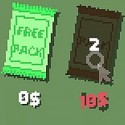
Money is what turns Peg Champ from a pure puzzle into an incremental game. Every peg you break feeds the upgrade tree, a large web of improvements that unlocks new powers over time. The tree rewards planning, because the first few nodes feel cheap but later branches ask for real patience. A sensible loop looks like this:
- Clear a level and collect the money you earned.
- Look at the tree and find the node that helps your weakest area.
- Buy that upgrade before trying a harder level.
- Retry the level that stopped you and check whether the board feels easier.
Incremental fans will feel at home with this structure, since each purchase makes the next run a little smoother and the numbers climb faster. Do not chase the most expensive node first. A cheaper upgrade that fixes a recurring problem often matters more than a flashy one that only looks impressive.
The tree is also where the game explains itself. Instead of tutorials, you learn what a new power does by buying it and testing it on a level that was giving you trouble.
Tools and Modes After the Opening Levels
Once the upgrade tree starts handing out new tools, the way you play changes. Each tool adds a different way to reach stubborn red pegs, so a level you struggled with early can feel completely different when you return to it. By the time you reach the later levels, you are less often aiming a lone shot and more often combining tools to open the board up.
The game has over 20 levels, and multiple game modes sit on top of them. Score attack players get a reason to replay cleared boards, because beating a clean clear with a better result is a different challenge from simply surviving it. That replay value is a good fit for short sessions and for players who like chasing a personal best.
The art style is pixel-based, bright, and uncluttered, which helps readability. On a crowded board you can still tell which pegs matter, and that clarity does a lot of work when the layouts get busier.
Where Peg Champ Gets Frustrating
Randomness is the most debated part of the design. The same aim can end in a clean clear or a stray bounce that leaves one red peg untouched, and some players call that unfair while others see it as the core thrill of a Pachinko board. If you hate losing a level to a single unlucky bounce, expect irritation on the final red peg more than anywhere else.
The incremental side can also feel like a grind when progress slows. Players who prefer pure puzzles may wish they could skip waiting for money, while idle fans may feel the skill element interrupts the flow. Neither complaint is wrong, and both come from the game sitting between two genres.
If you are unsure, the demo is an easy way to test whether the bouncing feels satisfying to you before you commit to the full upgrade tree.
Peg Champ Questions Answered
- How do you win a level in Peg Champ? You win by breaking every red peg on the board. Other pegs are only there to bounce your shot toward them, and breaking pegs earns the money you spend in the upgrade tree.
- Can you play with a controller? Yes, controller support is available, and it suits careful aiming when a small angle change decides which red peg you hit. Many players find the stick more comfortable than the mouse on dense layouts.
- How many levels are there and is the game idle? There are over 20 levels, plus multiple modes for replaying them. The game is incremental rather than idle, since you take every shot yourself and use money to unlock tools in the upgrade tree.
Peg Champ gives you a board, a pile of red pegs, and an upgrade tree that keeps rewarding smarter shots. Learn how the bounces work, spend your money on tools that fix your real weak spots, and the last red peg will stop being a mystery and start being a goal.
Comments
There are no reviews yet. Be the first one to write one.