















Hell Deck










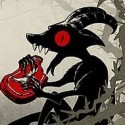
Hell Deck sounds like a demon-themed card battler, but it plays like a cramped ecosystem puzzle in which your own units hunt each other. You wake up in the depths of Hell, holy angels are descending to purge the abyss, and the only way to survive is to command Hell’s denizens and engineer a food chain on a grid with no room to spare.
| Genre | Roguelike deckbuilder defense |
| Setting | Hell under attack by holy angels |
| Core mechanic | Ecosystem Deckbuilding on a limited tile grid |
| Progression | Permanent upgrades unlocked in the lobby |
| Mode | Single-player |
Why Hell Deck Makes the Angels the Apex Predators
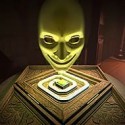
The premise flips the usual moral map. Angels are the apex predators hunting you, the demons of the abyss are the prey you lead, and a mysterious voice keeps asking why you doubt paradise. The tone sits firmly in dark, horror-leaning territory, with cult and demon imagery throughout, and the goal is to turn the holy invasion into a feast rather than simply to endure it.
Defense is the objective, but not in the usual tower-defense sense.
You place units from your hand onto a tile grid and let them fight the holy swarm, with hundreds of oncoming angels possible at once. Tower-defense veterans will recognize the pressure of incoming numbers, yet the units in this game act on their own, hunt each other and reshape the board while you watch.
Placing Units on a Grid Too Small for Comfort
The hand. Each draw gives you units to place, and every placement is a decision rather than a routine, because space is the scarcest resource you own. Beginners tend to fill every tile as soon as they can and discover that crowding is exactly what triggers the worst chain reactions.
The inventory bag. Units you cannot place right now wait in the inventory bag, which turns hand management into planning rather than a rush. Holding a key piece back for the right neighbor is often stronger than dropping it on the first open tile.
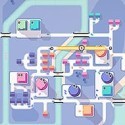
The grid. The strictly limited tile grid is the real opponent. A single placement can set off an uncontrollable chain reaction, which is why synergy and chain reaction dominate how players describe their runs.
Predation, Sacrifice and the Mutations Players Chase
The core idea is Ecosystem Deckbuilding, where power is consolidated through cannibalism. Your units do not just stand in formation; they eat each other, and both accidental placements and deliberate sacrifices can trigger grotesque biological mutations that turn weak grunts into god-like apex predators. That answers the question many newcomers ask first: mutations come from the cycle of predation and sacrifice on the grid, not from a separate upgrade menu.
Accidental placements can still trigger mutations, so beginners often stumble into their best result without understanding why, then fail to repeat it. Treating every sacrifice as a loss is the other common mistake, since feeding a weak grunt to a stronger unit is the whole engine of the food chain.
The advanced habit is deciding who is prey and who is predator before you touch a tile. Players who enjoy building engines will plan which grunts to feed and where the apex predator should stand, so the chain reaction works for them instead of against them.
Dying Is Part of the Experiment: Lobby Upgrades in Hell Deck
When a run ends, the omniscient voice watching your failures promises to fix you each time you break, and you return to the lobby to unlock permanent upgrades. That loop is where roguelike regulars settle in, because an early death is never wasted: every failed descent buys something that carries into the next attempt. So yes, progress does persist after dying, just not on the grid itself.
As a run advances, the pressure comes from numbers. By the time the holy swarm thickens, a build that merely survived the first arrivals can collapse, and the angels punish any food chain that has a gap in it.
Players who like reading a failed run will find plenty to learn here, since a collapse almost always traces back to one placement that gave the angels an opening. The game is built around that cycle of failing, tweaking and descending again.
When Chain Reactions Stop Feeling Like Your Plan
The honest criticism is about control. Because one placement can ripple across a tight grid, some runs feel as if the ecosystem decided for you, and players who want fully predictable outcomes may find that volatility frustrating. The grotesque mutations and the dark horror tone will also not suit everyone.
Others call that volatility the entire appeal.
Unlike a card duel where you pick a target and resolve it, units here hunt on their own, so the skill lies in arrangement rather than in a single clever play. Strategy fans who enjoy puzzles of adjacency get a reason to keep returning, while anyone expecting a quiet, controlled deckbuilder should expect a messier fight.
Hell Deck rewards the player who decides which grunt is prey before placing it, keeps a spare piece in the inventory bag for the right neighbor and treats every death as a trip back to the lobby for another permanent upgrade. The angels may be the apex predators, but a well-built food chain under the right Ecosystem Deckbuilding plan can make the holy swarm the one being hunted.
Comments
There are no reviews yet. Be the first one to write one.