















Duck Pond Mahjong













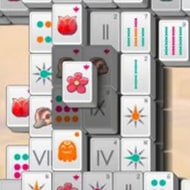
Can you clear a full Duck Pond Mahjong board without ever needing a reshuffle, or will the tiles lock you out before the clock hits zero? Duck Pond Mahjong strips the genre to its rawest form: match two open tiles, watch the stack shrink, and hope you didn’t just bury the one duck tile you needed three moves earlier.
| Genre | Mahjong Solitaire / Tile Matching |
| Core Objective | Clear every tile from each pond layout before the clock runs out |
| Controls | Mouse click to select and match tiles |
| Board Layouts | 24 distinct pond formations |
| Assist Tools | None built in — no reshuffle or hint prompt |
Clearing a Layout With No Reshuffle Prompt
A tile can only be picked when it has an open edge and nothing on top of it, and it only clears by matching an identical open tile. There’s no button to bail you out when a layout locks up, so early clicks matter. Pull the wrong acorn tile too soon and you can trap a pair under tiles you can’t reach for several turns, which is why players treat each board like a planning exercise.
Puzzle purists like that this removes the safety net other mahjong titles lean on. Casual players sometimes find it punishing when a board deadlocks with no way out, and that gap is a genuine point of debate around the game.
Working Through the 24 Pond Formations
Duck Pond Mahjong ships with 24 separate layouts rather than one board reused with new paint. Early formations sit flat, tiles stacked only a layer or two deep, rewarding speed over memory. By the ninth or tenth layout, tiles stack three and four high, and pairs get buried under tiles that must clear first, and later formations spread into wide shapes where a pair can sit on opposite ends of the pond.
Speedrun-focused players chasing a personal-best clear time tend to memorize these layouts after a few attempts, since knowing the shape beats reflexes past the halfway point of the list.
Reading Ducks, Flowers, Acorns, and Eggs at Speed
Duck tiles carry small illustrated ducklings, and mixing up two similar poses under pressure is a common early mistake. Flower tiles use bright blossom icons that are usually the easiest symbol to spot, making them a good tile to clear first. Acorn tiles are smaller and more textured, the symbol most players squint at when a formation gets crowded. Egg tiles round out the set with plain oval icons that look deceptively similar from a distance, and misreading two eggs as a pair is a common wasted click.
Racing the Clock on Every Layout
Each layout runs against a short clock, and clearing a board comfortably inside that window is a different skill from solving the puzzle eventually. Players can replay any of the 24 layouts as often as they like, and most run a stubborn layout two or three times to shave seconds off a clear time. A typical session runs around eight minutes with repeat attempts included.
Comparing a clear time against your own previous run is the main reason players who’ve finished all 24 formations keep returning to specific ones, and it plays differently for someone chasing a clean sweep than for a player who just wants one calm clear.
Does Duck Pond Mahjong have a reshuffle button if I get stuck?
No. If a layout locks up because every remaining pair is buried under tiles you can’t clear yet, your only option is to restart that layout from scratch. This no-assist design is one of the more debated choices among players.
How many layouts does Duck Pond Mahjong include?
Duck Pond Mahjong has 24 distinct pond formations, and none reuse the same tile arrangement. Early layouts are flat and quick to read, while later ones stack tiles several layers deep.
What do the duck, flower, acorn, and egg tiles mean?
They’re the four symbol groups the tile set is built from, and matching only works between two tiles carrying the exact same icon. Acorn and egg tiles are what players most often mismatch once a layout gets crowded and the clock is running down.
Duck Pond Mahjong rewards a player who reads a layout before touching a single tile, because between the 24 formations and a clock that never pauses, there’s no safety net once an acorn tile ends up buried in the wrong spot. Whether you’re chasing a personal-best clear time or working through the pond formations one at a time, the missing reshuffle option is what keeps every click on Duck Pond Mahjong feeling like it matters.
Comments
There are no reviews yet. Be the first one to write one.