






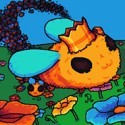








Doraemon Hotel
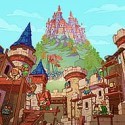

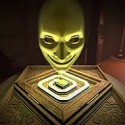




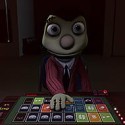





Your apartment building is a scorched frame by the time the fire department leaves, and the insurance adjuster hands you an address you don’t recognize. It’s the only vacancy left in town: a squat, oddly cheerful building called Doraemon Hotel. The wallpaper is a shade of blue that doesn’t quite match the character it’s borrowing from, and the manager behind the front desk introduces himself as Doramon, with a smile that holds one second too long before he slides you a room key for your five-night stay.
| Genre | Horror, survival |
| Platform | Browser (HTML5), Android |
| Setting | Doraemon Hotel, a five-night forced stay |
| Core mechanic | Stealth, evasion, and light puzzle-solving |
| Antagonist | Doramon, the hotel’s manager |
| Best for | Short horror sessions, childhood-character horror flips |
Checking Into Doramon’s Hotel
Doraemon Hotel opens on a premise that’s almost aggressively mundane before it turns: you’ve lost your home, and the only lodging left is run by a figure who looks like a corrupted, discolored version of the robotic cat everyone grew up with. Doramon isn’t a monster in the traditional sense; he’s a host checking guests in with paperwork and a front desk bell, and the horror comes from how long that veneer holds before it cracks.
The building does quiet work early on. Corridors loop back on themselves, identical-looking doors lead to different floors, and the lighting shifts color depending on how close Doramon is patrolling. Your assigned room is small and sparsely furnished, which reads less like a budget limit and more like a choice once you realize how little there is to hide behind.
Doramon’s early helpfulness is part of the manipulation, not a separate layer bolted on. He offers directions and mentions amenities you never get to use, behaving like someone making a good first impression on a guest he already knows won’t be leaving easily. Watching the lobby’s tone shift from the first night to the fifth is effective environmental storytelling for a game this size.
Five Nights Inside Doraemon Hotel
The five-night structure borrows the escalating-difficulty format Five Nights at Freddy’s popularized: each night adds a wrinkle or changes where Doramon is likely waiting. Night one is closer to a tutorial than a threat. By night three, corridors that felt safe on your first lap are places you actively avoid.
What separates the later nights isn’t just Doramon moving faster, it’s that puzzle elements require staying exposed longer. The jump in difficulty between night three and night four feels steep enough that some players call it uneven pacing rather than intentional escalation, a fair complaint given how gentle the opening nights are.
Getting caught doesn’t carry anything forward into your next attempt, so learning a night’s layout means learning it from scratch each time you die partway through. Tasks change most nights: a key found in one room opens a locked door in another, a note that only makes sense once you’re moving through the space it describes.
Reading the Corridors Before Doramon Does
Survival comes down to sound and sightlines more than reflexes. Doramon’s footsteps change pitch depending on distance, and the smart move on later nights is listening through a hallway before committing to cross it. Getting caught isn’t slow-motion, it’s close to instant: one hit, one restart, no partial credit.
Proximity dread describes what the game actually sells: not the sight of Doramon so much as the growing certainty that he’s somewhere nearby and you can’t confirm where. Hiding spots aren’t safe by default; several playthroughs show Doramon checking rooms that were safe on an earlier night, forcing you to keep updating your read of the hotel.
Streamers have gravitated toward this stretch more than any other, since corridor tension translates well to an audience even when nothing has happened yet. A door left ajar that you remember closing, a shadow that resolves into nothing when you look at it directly, small details like these sustain tension better than any scripted event could.
The Car Out Front
One frequently mentioned detail is that survival isn’t purely about outlasting five nights; some runs are built around reaching a car parked outside as an actual escape route rather than just waiting until morning. It reframes the goal from passive endurance to active escape, giving the final stretch a concrete destination instead of just a countdown.
Getting to the car means crossing exposed ground the corridors were designed to keep you away from, so the payoff depends on how well you’ve learned Doramon’s patrol habits by then. Some players report the exact trigger for the car becoming accessible isn’t always clear, a fair criticism since an ending that hinges on one object benefits from a legible trigger.
Not every run ends at the car. Some players reach night five and simply outlast the clock without finding the trigger, suggesting the hotel has more than one way to close out a stay, which gives Doraemon Hotel some replay incentive.
Why Doraemon Hotel Works as Horror-Parody
Doraemon Hotel belongs to a wave of mobile horror that recontextualizes a beloved children’s character as a threat, the same trick behind Poppy Playtime and the various Ice Scream games. What makes Doramon land better than some peers is restraint: the design leans on the character’s original warmth rather than replacing it outright.
The game picked up enough attention that at least half a dozen channels posted full playthroughs within weeks of it circulating, a real signal of reach for a small horror-parody title. Lore hunters who dig through every room for detail have noted the hotel doesn’t offer much payoff for exploration; most environmental detail is atmospheric rather than meaningful.
The game doesn’t lean on gore or shock imagery. The scares are almost entirely about presence and absence, about a hallway that should be empty and isn’t. Whether Doramon’s patrol routes are scripted or randomized, and whether the car trigger ties to a specific item, gets argued out in comment sections rather than settled officially.
What First-Time Guests Notice
The blue wallpaper is usually the first thing players mention, the clearest signal that something is deliberately off about a place designed to look welcoming. The palette leans warm in the lobby and colder the deeper you go.
Doramon’s voice work, or the lack of a dramatic one, surprises people expecting a growling villain. He’s closer to unsettlingly polite for most of the runtime; some wanted him actively threatening earlier rather than saving the aggression for later nights.
Session length is another thing first-timers underestimate. A full five-night run, played carefully, runs longer than the average mobile horror title, but stays short enough to finish in one sitting. Most guests leave with a consistent complaint list: the car trigger could be clearer, and night four is a rough wall to hit blind.
- Is Doraemon Hotel connected to the real Doraemon franchise? No. It’s an unofficial horror-parody build that borrows the character’s visual shorthand without any official license, redesigning him as the hotel’s manager, Doramon. The appeal comes from how much that familiarity is weaponized rather than just referenced.
- How many nights do you need to survive in Doraemon Hotel? Five. Each night tightens how long you can safely stay in the open and adjusts how Doramon patrols, with the jump between night three and night four flagged by most players as the real difficulty spike.
- What happens if Doramon catches you? Getting caught ends the night immediately rather than triggering a slow chase, and you restart from the beginning with no progress carried over. It’s unforgiving, but it keeps the corridor-listening mechanic meaningful instead of decorative.
Doraemon Hotel isn’t trying to reinvent survival horror; it’s a small, focused build that gets real mileage out of turning a familiar face into the thing you’re avoiding for five straight nights. Between the corridor tension, the uneven-but-earnest difficulty curve, and Doramon holding that uncomfortable balance between host and threat, it’s earned its spot among the wave of childhood-character horror flips, rough edges and all. If you’re going to check in, remember the blue wallpaper is your first warning, not decoration.
Comments
There are no reviews yet. Be the first one to write one.