















Camp Whittlewood
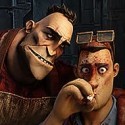



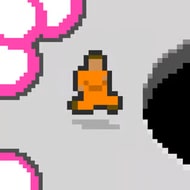

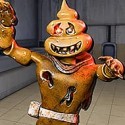


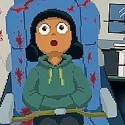
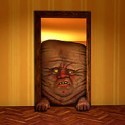




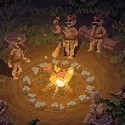
Camp Whittlewood looks like a cozy pixel-art weekend with the Bark Scouts, but it plays like a nervous search for key items while a woodcarver’s campfire story starts to come true. You arrive expecting outdoor fun, find yourself shunned by the other kids, and soon discover that bullies are the least of your worries. It is a short horror adventure built on old-school RPG interaction rather than combat or quick reflexes.
| Genre | Old-school horror RPG adventure |
| Setting | A former logging camp inside a protected forest |
| Cast | The Bark Scouts and a strange crew of fellow campers |
| Endings | Multiple unique endings |
| Length | Short |
| Players | Single-player |
| Platform | PC |
A Weekend with the Bark Scouts in Camp Whittlewood
The Bark Scouts head out on their annual trip to a former logging camp tucked deep inside a protected forest. Before the fun can begin, an old story gets told about a woodcarver who stalks the camp, and the teasing tone of that tale is the last light moment you get. Because you are shunned by your peers, the campground stops feeling like a playground and becomes a place you have to scour alone, one corner at a time.
A strange crew of fellow campers gives the place its personality, and each one has a distinct way of talking and reacting. Fans of small-cast adventures will enjoy how quickly these kids become familiar, because every conversation also works as a clue about what is going on around the camp.
The bullies add a very ordinary kind of dread to a story that is about something much older. Anyone who remembers the anxiety of being the odd one out at summer camp will recognize that feeling, and it makes the supernatural threat land harder when it finally arrives.
Key Items and Old-School RPG Interaction
Interaction follows the classic pattern: walk up to something, examine it, pick it up if you can, and try using it somewhere else. Progress depends on key items that you find along the way, so the whole game becomes a slow puzzle of what to carry and where it belongs. There are no fast reflexes to master, only patience and attention, which suits players who like methodical exploration.
The most common beginner mistake is rushing past scenery that looks decorative. Early in the weekend, a quick glance at a cabin or a shelf feels harmless, but once the woodcarver’s story starts to come true, those ignored corners become the places you wish you had searched properly. Checking everything twice is a habit worth forming from the first scene.
Backtracking is part of the design, and that will not appeal to everyone. Players who dislike walking back and forth between the same areas may find the pace slow in places, while fans of old-school RPGs will see it as the natural rhythm of an adventure built around items.
The Woodcarver’s Story and the Endings Waiting in Camp Whittlewood
The twisted campfire story is the engine of the whole adventure. As it begins to come true, you scour the campground to uproot its gnarled history before it buries you, and every discovery changes how you read the earlier teasing. The game leans on mystery more than gore, so the tension comes from piecing things together instead of reacting to jump scares.
Multiple unique endings are waiting at the end of the weekend, and your choices and the items you gather decide which one you see. Because a single run is short, trying again is cheap, which is exactly why players tend to chase every ending instead of stopping at the first one.
A short runtime is both a strength and a limit. Players who want a long campaign may feel it ends too soon, but anyone who enjoys compact horror that can be finished in a single evening will find that its brevity keeps the story tight.
Cozy Pixel Art and Chilling Cutscenes: How the Mood Works
The art style is warm and approachable, with pixel visuals that look inviting at first glance. Then the chilling cutscenes break in, and the contrast between cozy and sinister is where much of the atmosphere comes from. An original hair-raising soundtrack backs this up, so quiet moments feel just as uneasy as the loud ones.
Fans of retro horror RPGs will feel at home with this mix of simple visuals and heavy atmosphere. The pixel look keeps the horror suggestive rather than explicit, which lets your imagination do some of the work.
Early reception on Steam is positive, though it rests on a small number of reviews, so it is too soon to say how a larger audience will respond. Treat it as a promising sign rather than a final verdict.
Questions Players Ask About Camp Whittlewood
How long is Camp Whittlewood and is it worth replaying?
It is a short horror adventure built around a single weekend with the Bark Scouts. Because there are multiple unique endings, replaying is the intended way to see everything, and each new run lets you try different choices with the key items you find.
Do your choices matter in the story?
Yes, the endings are tied to how you handle the camp’s mystery, and key items are needed to move the story forward. Paying attention to what you pick up and who you talk to is how you reach the more unusual outcomes.
Is it a scary game or a cozy one?
It is both. The pixel art and the crew of campers feel cozy, but the woodcarver’s story and the chilling cutscenes bring real dread, and the bullies add a more human kind of unease.
Camp Whittlewood turns a simple weekend with the Bark Scouts into a tense hunt through a camp that remembers everything. Between the key items you need to find, the woodcarver waiting at the edge of the story and the endings that reward a second run, it is a compact way to spend a chilly evening.
Comments
There are no reviews yet. Be the first one to write one.