
















ForgeTax


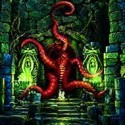











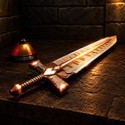
Frenzy in ForgeTax does not come from luck: it only charges after you forge the same sword 10 times, and then it hands you one blazing window to hammer without fear of shattering. That single rule shapes everything else in this dark first-person roguelite. Every strike at the anvil either pushes a blade’s value higher or turns it into scrap, and a dragon that owns your forge is waiting for its tribute.
| Genre | First-person forging roguelite |
| Core Loop | Heat, hammer, risk, spend blades on relics, pay the dragon |
| Setting | Dark fantasy |
| Players | Single-player |
| Platform | PC |
Hammering Your Luck at the Anvil in ForgeTax
The loop is simple to describe and hard to put down. You heat a blade, carry it to the anvil and strike, and every successful hit raises the sword’s value while making the next swing a little riskier. A shattered blade is gone for good, so the real question in every run is when to stop swinging. Early in a run, beginners usually push their best sword too far and learn how much one bad hit can cost.
Frenzy gives that gamble a safety valve. Once the same sword has been forged 10 times, Frenzy is charged, and the next hit opens a brief window where you can hammer without worrying about shattering. Planning which blade reaches that count first is a quiet skill, because it lets you swing hard exactly when the downside disappears.
The risk is also the main source of friction. Since a shatter can erase a promising blade in one swing, the game rewards players who enjoy variance and frustrates those who want every outcome earned by skill alone. Roguelite fans who like pushing their luck tend to settle in fastest.
Relic Machine Synergies: Spending Blades Instead of Paying the Dragon
The relic machine takes swords, and that is where most of the strategy lives. Every blade you spend on a relic is one less blade for the dragon, so each purchase is also a small bet that the effect will pay itself back. Relics can change your draw tickets, combine strange effects and turn a handful of advantages into ridiculous value when they line up.
Synergy hunters will love the idea of building around luck, or even changing what luck means, because the strongest runs come from relics that feed each other. Cautious players can take a smaller approach, buying one or two relics and keeping enough blades in reserve for the counter.
The common mistake is overspending. A player who dumps every good sword into the machine can arrive at the counter with nothing to offer, and by then the dragon’s patience is already wearing thin. Keeping a margin of safe blades is usually smarter than chasing a perfect build.
Paying the Dragon at the Counter
When you are ready, you lay your swords on the counter and ring the bell. Meeting the dragon’s tribute earns another round at the anvil, which keeps the run alive. Falling short is where the mood turns, because something beyond the bars begins to lose patience and the dragon’s wrath is waiting.
Every round therefore comes down to a pile of decisions about what to keep, what to sacrifice and when to stop swinging. Ringing the counter bell is a commitment: ring it too early and you waste potential value, ring it too late and you may have shattered the blades you needed. That tension is the heart of the game.
The dark fantasy atmosphere sells the pressure well. The forge feels like a workplace with an owner you cannot negotiate with, and the tax pun in the name makes the theme obvious from the first run.
What Divides Players About ForgeTax
Player reception sits in mixed territory on Steam, with opinions split fairly evenly. A luck-driven shatter system is naturally the point where those opinions divide, since the same unlucky hit that feels thrilling to one player feels unfair to another.
Supporters enjoy the dark mood, the quick decisions and the way relic builds can snowball into huge payouts. Players who want deep progression or a constant stream of new systems may find the loop narrow, which is a fair thing to weigh in a game built around one anvil and one dragon.
It helps to go in knowing this is a compact, luck-forward roguelite with permadeath. Treat the first few runs as practice for reading the odds, and the rhythm of heating, striking and paying makes much more sense.
Questions Players Ask About ForgeTax
How do you charge Frenzy in ForgeTax?
Forge the same sword 10 times to charge Frenzy, then unleash it on the next hit. During that brief window you can hammer without the risk of shattering, so it works best on a blade that is already valuable.
Is the relic machine worth spending blades on?
It can be, because relics change your draw tickets and combine effects for large payoffs. The cost is that every blade spent there is one less for the dragon, so keep enough swords back to ring the counter bell safely.
What happens if you cannot meet the dragon’s tribute?
Falling short means facing the dragon’s wrath, as something beyond the bars loses patience. Meeting the tribute earns another round at the anvil, which is why the counter is the real checkpoint of every run.
ForgeTax stays memorable because every swing tests your nerve. When Frenzy is charged, the relic machine is waiting with a pile of spare blades and the dragon watches from behind the bars, the choice between ringing the counter bell and striking one more time says everything about how you play.
Comments
There are no reviews yet. Be the first one to write one.
