















A Cure for Suffering




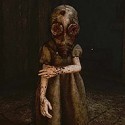











In A Cure for Suffering you start as Mai, a young woman covering the night shift at an old pharmacy after her mother vanished without a word, and that starting point matters because every customer arrives while Mai is already exhausted, short on money, and hiding the truth from her younger brother. The game is a short psychological horror story, and its fear comes from routine instead of monsters.
| Genre | Psychological horror narrative |
| Perspective | First-person |
| Length | Around 30–40 minutes across several Acts |
| Visual Style | Retro PSX and VHS look |
| Protagonist | Mai |
Night Shift Routine at the Pharmacy Counter
Most of the playtime is spent behind the counter, serving a steady line of customers who each bring a complaint, a story, or a small request. Roughly thirty customers pass through across the Acts, and the loop of listening and choosing the right sale becomes the rhythm the horror hides inside. Because the work feels so ordinary, the quiet moments between customers carry more weight than any scripted scare.
The routine is the trap.
Beginners tend to rush, treating each customer like a checklist item. Early in the shift that works, because the requests are simple, but the later Acts reward patience since the conversations are where the story actually lives. Players often ask whether a perfect sale on every customer unlocks a different ending, and it does not, so you can serve people by instinct instead of worrying about a score.
Mai, Fami, and the Customer Who Keeps Returning
Fami, a friend from Mai’s middle school years, begins showing up far too often to be a coincidence. Once Fami’s visits start repeating, ordinary dialogue feels loaded, and a polite greeting carries a different temperature than it did in the first Act. The setup is an old friendship curdling into something heavier, and the game lets that tension build through small talk instead of shouting.
The other customers work as contrast, each with their own complaints and stories, which means Fami stands out most when the counter is otherwise routine. Mai’s exhaustion and money pressure sit underneath every exchange, so even a simple request feels like it costs her something.
Players who love slow-burn narrative will settle in quickly, while anyone expecting chase sequences will not find a single one. Player discussions describe the ending as very dark, so people sensitive to themes of obsession and loss should know that going in, and the heaviness is the point instead of a flaw.
Why A Cure for Suffering Works Without Jumpscares
Exhaustion: Mai’s tiredness frames every conversation, so the horror grows out of a person running on empty instead of a creature hiding in the shelves. Nothing needs to leap out when the worst thing on screen is a regular who will not stop coming back.
Silence: The night shift is quiet, and the stretches between customers do more work than most scare sequences. Players who like fear built from psychology rather than cheap shocks will recognize the pacing right away.
PSX and VHS texture: The grainy, worn look reinforces how isolated Mai feels inside the pharmacy. Fans of retro PSX horror will spot the style immediately, though the visuals serve the story more than they chase nostalgia.
Is A Cure for Suffering Worth a Second Playthrough?
At around thirty to forty minutes, the story is tight enough to finish in a single sitting, and that length is both its strength and its most common criticism. One player replayed from Act 1 hoping to find another ending, only to learn that the dialogue and story stay identical on every run, so a second pass is for catching details rather than changing outcomes.
Streamers should check the end credits music before going live, since one viewer reported a copyright claim from the song that plays there. The pharmacy loop is short enough to stream in a single segment, and the Fami storyline gives chat plenty to react to.
Anyone who wants branching choices or long-term progression will find the game too linear, and that is worth knowing before starting. Anyone who wants a compact, emotional night shift will find exactly what the short format promises.
A Cure for Suffering ends up being less about the pharmacy shelves and more about what Mai is willing to trade to keep her family afloat. Fami’s repeated visits are what turn a tired job into something that stays with you after the credits roll.
Comments
There are no reviews yet. Be the first one to write one.