
















Tenebris Somnia
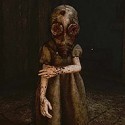


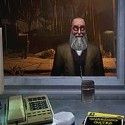
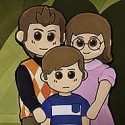
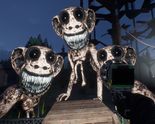










What happens when a pixel-art survival horror suddenly cuts to live-action footage? In Tenebris Somnia the answer is a real actress, real makeup and a monster that you then meet again as a sprite. Julia returns to the apartment she once shared with her ex after a run of nightmares about him, and the game uses film to show what the 2D rooms cannot.
| Genre | 2D retro survival horror adventure |
| Look | 8-bit and 16-bit style pixel art |
| Cutscenes | Live-action footage with real actors and practical effects |
| Combat | Revolver and melee weapons |
| Core loop | Explore, solve puzzles, manage ammo and healing items |
| Mode | Single-player |
Julia, the Old Apartment and Nightmares That May Be Real
The setup is simple and effective. Julia keeps dreaming about terrible things happening to her ex-boyfriend, the dreams grow more frequent and more disturbing, and she decides to go and check on him. The apartment they used to share is where Tenebris Somnia begins in earnest, and it becomes obvious within a few rooms that something is wrong. The question the story keeps asking is whether the nightmares were ever just nightmares.
Early in the game the horror is domestic rather than epic. A bathtub becomes the place where a creature crawls out, an elevator puts Julia next to a mysterious woman, and a bloody production room hints that cinema is part of the story as well as the presentation. Reviewers also point to occult and demonology themes sitting underneath the relationship drama.
Fans of Clock Tower will recognise this kind of fragile protagonist, since Julia survives through caution rather than firepower.
How Tenebris Somnia Borrows From Silent Hill and Resident Evil
The structure follows the classic survival horror template: explore rooms, collect items, solve puzzles, deal with creatures, then manage what you carry. The 8-bit and 16-bit look pushes the formula back toward the NES and Famicom era instead of a modern console shooter. The game never demands fast reflexes, and it asks for attention and restraint instead.
Resources are the real tension. You will believe you are carrying a comfortable pile of ammo and healing items, only to discover the supply was just enough to survive, and then you are searching every drawer in every new room again. That loop of false security followed by scarcity is what the genre is built on, and Tenebris Somnia leans on it deliberately.
Whenever you enter a new room, a short routine helps, and players who enjoy puzzle-driven adventures will find a satisfying rhythm in checking, noting and moving on:
- Search every drawer before leaving, because ammo and healing items are scarce.
- Look for clues and loose items that will matter to a puzzle later.
- Keep a mental note of rooms you have already visited, since backtracking is part of the loop.
- Decide whether a creature is worth shooting or worth outrunning.
Revolver, Melee Weapons and the Case for Running Away
Combat is simple: you take aim, then either fire the revolver or swing a melee weapon. Players tend to use the revolver early on while they learn how aiming feels and how many shots it takes to put a monster down. After that lesson, the smarter habit is to evade and save ammo for encounters you cannot avoid.
There is no dodge button, and some players miss one. Once you learn a monster’s attack pattern, sprinting around the attack works well enough, but it feels closer to learning a route than mastering a combat system. Anyone expecting the depth of a modern action horror will find the fighting thin.
Ammo conservation decides how comfortable the later rooms feel. Players who hoard resources by instinct are rewarded, while anyone who empties the revolver at the first creature will regret it once healing items and bullets run low.
Live-Action Cutscenes as Clues, Not Just Scares
At certain key points the game leaves the sprites behind and shows sequences from a completely different point of view, filmed with real actors, monster makeup and practical effects. No generative AI was used for these cutscenes, and an award-winning film crew from Argentina made them. FMV fans will recognise the lineage of old full-motion-video horror, though reviewers praise how smoothly the footage blends into and out of gameplay.
The details are where playing pays off. The filmed scenes rebuild the in-game rooms down to the art on the walls and a cracked picture frame, so you start comparing the footage with the sprite room you just left. Once the first live-action cutscene plays, you stop treating the footage as a reward and start treating it as a place to study.
The first jump from a 2D sprite to a live actress can feel jarring, and one reviewer admits as much. After a scene or two the switch begins to feel like a continuation instead of an interruption, and you find yourself wanting the next cutscene just to see where the story goes.
Puzzle Rooms, Backtracking and Reading Clues
Puzzles are the part of the design that reviewers single out most often. They are neither hand-holdy nor too difficult, and they push you to watch for items and clues while remembering what you have already seen. That balance keeps the pace moving without turning every locked door into a wall.
The official description says the secrets of the game lie within its cinematics, which means a stuck player should think back to what the footage showed. A prop in a filmed scene may be the same prop sitting in a sprite room, and spotting that link is part of the puzzle work.
Players who like making mental notes of visited rooms get the most from the layout, because backtracking is constant and the map rewards anyone who remembers where a drawer was left unopened.
Where Tenebris Somnia Divides Opinion
The overall gameplay is not groundbreaking, and reviewers say so directly. Combat is the weakest part of the design, with its single aim-and-attack approach and no dodge, while the puzzles and room design carry most of the praise. Players who judge a survival horror mainly by how it fights will find less here than in the genre’s biggest names.
The tonal switch between pixel sprites and filmed footage is the other point of debate. Most reviewers end up enjoying the contrast, but a few notice the jolt at first, and anyone who dislikes full-motion video on principle should know it is central to the design.
Reviewers also describe the package as compact and story-led, which suits players who want a focused run. Those hoping for a sprawling survival horror campaign should adjust expectations before starting.
Questions Players Ask About Tenebris Somnia
How do you save ammo in Tenebris Somnia?
Treat the revolver as a tool for fights you cannot avoid. Learn how many shots a monster takes early on, then sprint around attack patterns instead of shooting everything, and search every drawer so you always know what healing items you still carry.
Do the live-action cutscenes affect puzzles?
Yes, because information and secrets can be hidden inside the filmed scenes. The footage recreates in-game details such as wall art and a cracked picture frame, so remembering what Julia saw in a cutscene can help you read the sprite rooms that follow.
Is there a New Game Plus run?
A New Game Plus mode is available, which suits players who want to revisit the apartment and the filmed scenes once they know where the twists land. It is also a natural way to try a different approach to the revolver and melee weapons.
Tenebris Somnia lands hardest when Julia’s pixel-art rooms and the filmed cutscenes start answering each other, from the creature climbing out of the bathtub to the cracked picture frame you spot in both worlds. If you enjoy scarce ammo, careful drawers and a story that rewards watching, the revolver stays holstered more often than not and the horror stays with you.
Comments
There are no reviews yet. Be the first one to write one.
