















Shutter Story
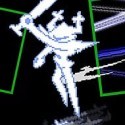




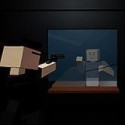






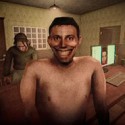

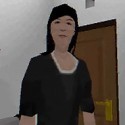
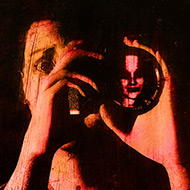
Shutter Story asks you to investigate a family’s photographs and videos after Eli becomes convinced that his home is haunted. The game combines photo analysis with first-person exploration, using SpectralAware 2.1 to turn exposure, contrast, noise, and filtering into tools for finding paranormal evidence.
| Genre | Psychological horror, investigation, interactive fiction |
| Platform | Windows |
| Demo content | About 45 minutes, with 19 photos and videos in the original demo |
| Core mechanic | Analyze media, classify paranormal findings, and explore Eli’s house |
Eli and the Photographs in Shutter Story
Eli believes his family is being haunted, but the player begins from a position of doubt. That makes the photographs important because they provide the first evidence that something is wrong. As a budding photo editor, you are asked to examine the material rather than simply accept Eli’s interpretation.
SpectralAware 2.1 is the central analysis tool. Exposure, contrast, noise, and filters can reveal details hidden inside otherwise ordinary photographs and videos. The game therefore makes image manipulation part of the investigation instead of treating it as a decorative interface.
Players who enjoy detective games will recognize evidence classification and close inspection, while horror players may focus more on what appears after an adjustment. The combination creates tension because discovering something is not always the same as understanding it.
SpectralAware 2.1 and Paranormal Categories
The manual helps classify findings into categories including Apparitions, Simulacra, Strange Lights, and Demonic Entities. Correct classification matters because mistakes can affect what happens to Eli and his family, turning photo analysis into a consequential puzzle.
Beginners can make the mistake of applying every filter to every image without a reason. A more controlled approach is to first inspect the photograph normally, then adjust one property at a time. That makes it easier to understand which change actually revealed the evidence.
The divisive point is the deliberate slow-burn structure. Players looking for constant action may find photo analysis methodical, while players who enjoy forensic puzzles can appreciate the pressure created by having to decide what an image actually contains.
The House and First-Person Sections
Between investigations, Shutter Story moves into Eli’s house for first-person exploration. The shift matters because the paranormal evidence is no longer confined to a screen. The player moves through the same family setting while knowing that photographs may have already revealed things that should not be there.
One recognizable playing detail is how a familiar room can feel different after a photograph has shown a strange presence. The environment itself has not necessarily changed, but the player’s knowledge has, and that makes later exploration more tense.
Players who like walking-simulator horror will likely focus on atmosphere and environmental clues, while investigation-focused players may mentally connect the physical house to earlier photographs. The game is designed to make those two forms of attention overlap.
Shutter Story and Hereditary Horror
The story connects the haunting to the family’s history, giving the investigation a multi-generational dimension. The demo and current presentation emphasize that the player is not simply collecting random scares but piecing together why the phenomena are happening.
The original demo covered roughly 45 minutes and included 19 photographs and videos for analysis, plus several first-person exploration sections. That amount is enough to establish the central workflow without revealing the full narrative structure.
Shutter Story is suited to players who enjoy slow-burn investigation, photo manipulation, and psychological horror. Players expecting combat may find the absence of traditional fighting deliberate, because the real tools are SpectralAware 2.1, the classification manual, and careful observation.
What is SpectralAware 2.1 in Shutter Story?
SpectralAware 2.1 is the in-game photo and video analysis software. The player can adjust exposure, contrast, noise, and filters to reveal paranormal details and then classify the findings using the investigation manual.
How many photos are in the Shutter Story demo?
The original playable demo was about 45 minutes long and included 19 photos and videos for analysis. It also included first-person exploration sections in Eli’s house, giving players both the investigation and horror sides of the game.
What categories can you find in Shutter Story?
The manual includes categories such as Apparitions, Simulacra, Strange Lights, and Demonic Entities. Correctly identifying what appears in the media matters because mistakes can have consequences for Eli and his family.
Shutter Story connects Eli’s haunted-family investigation to SpectralAware 2.1, the classification manual, and the tense rooms of his house. The photographs may look passive at first, but once an Apparition or Strange Light appears, every later piece of evidence becomes harder to dismiss.
Comments
There are no reviews yet. Be the first one to write one.