
















Duck Pond Mahjong















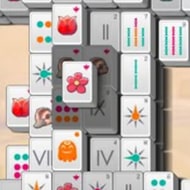
In Duck Pond Mahjong you start with a full layout of stacked tiles sitting over a calm pond scene, and only the tiles that are not covered or blocked on both sides can be picked, which matters from your very first click. Every pair you remove opens up new options — and sometimes closes off the only match you will need later.
| Genre | Mahjong solitaire, tile matching |
| Core Mechanic | Match pairs of identical open tiles until the layout is cleared |
| Tile Suits | Bamboo, Characters, Dots, Winds, Dragons, Flowers, Seasons |
| Best For | Relaxed players who enjoy pattern spotting |
What Counts as an Open Tile in Duck Pond Mahjong
A tile can only be selected if nothing sits on top of it and at least one of its long sides — left or right — is clear. Tiles in the middle of a row are stuck until a neighbor at one end is removed. This single rule shapes every decision in Duck Pond Mahjong, because the order you clear tiles in decides which ones become available next.
Matching works with identical tiles in most suits: a three of Bamboo pairs with another three of Bamboo, a red Dragon with another red Dragon. Flowers and Seasons are the exception — any Flower matches any other Flower, and any Season matches any other Season.
That exception is useful. Because those tiles are more flexible, they can be saved for later when other options run out.
Reading the Layout Before Clicking
The beginner mistake is grabbing the first pair spotted. When three or four identical tiles are visible, the choice of which two to match matters a lot. Removing the pair that opens up the most blocked tiles usually beats removing the pair that happens to be easiest to see.
Tall stacks deserve attention early. Tiles buried under several layers in the center are the most likely to cause a dead end, so clearing the top of large stacks and the ends of long rows keeps the board flexible.
A good habit is scanning for all four copies of a tile before using any of them. If two copies sit on top of the other two, matching the top pair together first is often the only way to avoid trapping them.
Hints, Shuffles and Getting Stuck
Every mahjong layout can end with no available pairs. When that happens, the shuffle option rearranges the remaining tiles so play can continue. The hint button highlights a valid pair, which helps when the board is cluttered and nothing jumps out.
Some players feel relying on these tools spoils the puzzle, while others treat them as part of a calm, unhurried session. The game supports both styles, and there is no harm in using a hint to keep a long layout moving.
The quiet pond background and soft tile clicks give a calm, slow rhythm. Players who use mahjong to unwind tend to settle into that pace, while players chasing faster clears start paying attention to the timer and counting how quickly they can empty a layout.
Questions About Duck Pond Mahjong
- Why can I not select some tiles? A tile is only selectable when nothing covers it and its left or right side is open. Tiles in the middle of a row stay locked until one of the end tiles beside them is cleared.
- Do Flower and Season tiles need exact matches? No. Any Flower can be paired with any other Flower, and any Season with any other Season, which makes them handy backups when a board starts to jam.
- How do I avoid running out of moves? Focus on clearing tall stacks and long rows first, and look for all copies of a tile before matching. If the board still locks up, use the shuffle to keep the game going.
Every cleared layout comes down to choosing the right pair at the right time. Save the Flowers and Seasons, open up the tall stacks early and the tiles over the pond in Duck Pond Mahjong will fall away one pair after another.
Comments
There are no reviews yet. Be the first one to write one.
