















Love Maniac
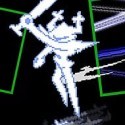

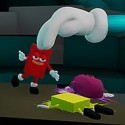


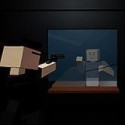








Love Maniac puts you into a fast, strange battle loop where a cute presentation hides timing pressure, resource management, and deliberately awkward surprises. The game mixes Undertale-inspired combat ideas with adult comedy, so the important skill is not simply attacking but reading what the encounter is asking you to do before committing to a risky move.
| Genre | Action, RPG, bullet-hell comedy |
| Platforms | Windows, macOS, Linux, Android |
| Current structure | Battle encounters, shop, gallery, progression |
| Core mechanic | Move the soul through attacks while managing damage and encounter choices |
Love Maniac and the Battle Loop
Combat revolves around moving a small soul through patterns while attacks fill the field. The safest approach is to watch the first cycle before making a large movement, because panic movement often puts the soul directly into the next projectile. The game rewards players who learn the rhythm of an encounter instead of treating every attack as an emergency.
Early in the game, the most common mistake is holding a direction continuously. Short corrections are much easier to control, especially when a pattern changes speed or closes a safe lane. The No Hit mode added later also reflects how important clean battle attempts are for players who want to practice encounters without waiting through the full sequence after a mistake.
Players who enjoy bullet-hell games usually recognize the community vocabulary quickly: pattern reading, hitbox, grazing, reset, and No Hit run. A more casual RPG player may need several attempts before movement becomes automatic, but the learning curve is tied more to recognition than to complicated controls.
Items and Timing in Love Maniac
The shop gives progression a practical role because an item can change how forgiving a battle feels. Gelly Fish is a particularly useful example: it restores 20 HP and also grants a protective shield that absorbs one hit. That shield does not count against the No Hit statistic, which makes the item relevant to players practicing clean clears.
Once Gelly Fish becomes part of a preparation routine, the game becomes less about blindly repeating an encounter and more about deciding when a safety resource is worth spending. Saving every recovery item can backfire if a difficult pattern arrives with low health. Using everything immediately can leave no buffer for a later mistake.
One divisive part of the game is its combination of serious combat timing with deliberately adult and comedic material. Some players will enjoy that contrast, while others may find the tonal shifts distracting. The battle system itself remains readable when the presentation becomes deliberately chaotic.
Progression and Difficult Encounters
Progression becomes more interesting when encounters stop relying on a single obvious movement solution. A player who memorizes one safe route may struggle when a later pattern asks for the same movement in reverse or adds a second timing layer. By the time later rounds appear, small movement corrections matter more than fast reactions.
The strongest advanced habit is to identify where the safe space will be after the current attack, not where it is at the instant you notice the projectile. This changes movement from reaction to prediction. Players who like challenge runs can also treat No Hit mode as a compact training tool because it removes some of the downtime after taking damage.
The game has also had bug-fix work around battle presentation and gallery behavior, so players discussing older builds may be talking about problems that no longer behave the same way. That distinction matters when comparing advice from different versions.
Love Maniac Community Questions
Community discussion often focuses on clean clears, gallery unlocks, shop preparation, and the difference between surviving a battle and completing it without hits. Those terms describe the practical goals players tend to return to after the novelty of the first encounters wears off.
An important observation appears when a pattern seems impossible at first: the safest movement is often smaller than the player expects. The soul can be controlled with tiny corrections, and large movements create unnecessary exposure. That detail is easy to understand from a description but much clearer after watching the projectiles cross the same space repeatedly.
Love Maniac also rewards players who separate learning from winning. A first attempt can be used to map the pattern, a second to test movement, and a later run to protect the No Hit result. That approach is especially useful for players who normally avoid bullet-hell games.
How do you practice No Hit in Love Maniac?
Use No Hit mode to restart the battle immediately after taking damage. Gelly Fish is also useful because its shield can absorb one hit without counting against the No Hit statistic, giving a safer way to learn a difficult pattern.
What does Gelly Fish do in Love Maniac?
Gelly Fish restores 20 HP and provides a shield that absorbs one hit. The shield is especially useful during practice because the absorbed hit does not count toward the No Hit statistic.
Why do some Love Maniac battles feel difficult?
The difficulty comes mainly from projectile patterns and movement control rather than a large control scheme. Reading the next safe space, using short corrections, and learning each attack cycle makes later encounters more manageable.
Love Maniac works best when its strange presentation is treated as a layer over a precise battle loop. Learning each projectile pattern, preparing Gelly Fish, and practicing No Hit movement gives the encounters a much clearer rhythm than the first attempt suggests.
Comments
There are no reviews yet. Be the first one to write one.