















Legends of Pixelia

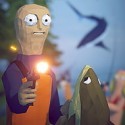













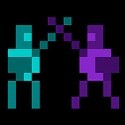
A colored bracket on each side of an enemy in Legends of Pixelia is not decoration, and swinging at the monster anyway does nothing to its shield. Each shield color calls for a different attack, and green shields fall only to melee used up close. That is why a pixel art action RPG that looks harmless at first glance turns into a game about reading enemies before you touch them. Procedural dungeons, a strong fighting-game style AI and 21 boss fights keep that lesson relevant from the first room to the last.
| Genre | Pixel art action RPG with roguelike dungeons |
| Platform | PC (Windows, macOS and Linux) |
| Players | Single-player, local co-op and Versus mode (PvP) |
| Hero Classes | Knight, Paladin, Barbarian and Sentinel |
| Bosses | 21 boss fights, plus 21 crazy boss fights in Game+ |
| Best Played With | Gamepad |
Shield Colors and Close-Range Melee in Legends of Pixelia
The shield system is the first thing that separates this dungeon crawler from a click-and-hope brawler. Some enemies carry colored brackets, and each color needs its own kind of attack before the monster can be hurt. Beginners usually hammer the attack button, watch the damage bounce off, and decide the game is unfair. In practice it is a puzzle you solve in the half second before you commit to a swing.
Green shields are the exception that most players learn by accident. They break when you hit the monster with a melee attack from up close, which means you have to step into danger instead of kiting from range. Keyboard players juggle separate keys for the other colors, so a gamepad makes the whole system feel far more natural, which is exactly why the store page says the game is best played with one.
Reviewers have compared the combat to a beat ’em up wrapped in roguelike dungeons, and the description fits. Positioning and timing matter more than raw stats, so a well-placed dodge beats a bigger weapon most of the time.
Knight, Paladin, Barbarian and Sentinel: Picking a Hero Class
Every hero class has its own abilities, and your character grows through level-up stats and randomly generated items. Knight, Paladin and Barbarian are the classes that shipped first, while Sentinel arrived later as a hard-to-learn option built around controlling the battlefield. Co-op players will find it especially useful because it can support allies instead of simply racing to the biggest hit.
Sentinel throws spears, breaks enemy shots with a summoned crystal and can leap into the sky with Dragon Jump to land on targets from above. That toolkit rewards patience and punishes mashing, so it is not the best first pick for someone still learning shield colors. If you are new, choose the class whose basic attacks feel comfortable in your hands and stay with it through the first dungeon.
Stat points matter because they compound. A hero who spreads points randomly often struggles around the second dungeon, while one who commits to a role feels stronger even with ordinary gear.
The Winged Palace and the Bats That Hit You in the Back
Early in the game the dungeons feel forgiving, and then you enter The Winged Palace and flying monsters change the rules. Bats swarm in groups and fire sonar-like ranged attacks that ping off the walls and can hit you from behind. Because rooms are procedurally generated, you never learn a layout by heart, so you learn habits instead.
- Check every enemy for shield brackets before you attack.
- Clear flying monsters first, since their ranged pings are the hardest to dodge.
- Keep your back away from open walls when bats are in the room.
- Save your defensive move for the attacks you cannot move away from.
Players who enjoy tactical combat tend to love this stretch, because every room asks a new question about angles and spacing. Anyone who prefers to rush will feel the difference at once.
Cain and Abel and the Art of Boss Positioning
Bosses are where the shield lessons come together. Some arrive in pairs, and the duo of giant demon bats named Cain and Abel is a good example of how the game turns a single fight into a spacing test. You cannot focus one target and ignore the other, so positioning matters more than damage.
The full game has 21 boss fights, and the fighting-game style AI means bosses react to how you move. Greedy attacks get punished, patient ones get rewarded, and a well-timed deflect often saves a run. Anyone chasing a quick clear will find that the bosses slow the pace on purpose.
Death is also gentler than in many roguelikes. Persistent upgrades mean a failed run still moves your hero forward, so losing to Cain and Abel feels like a lesson rather than a reset, even though the first few attempts are rough.
Gold, the Blacksmith and the Scoundrel’s Stock
Gold has two main uses. The local blacksmith lets you equip and upgrade gear, which keeps your hero competitive between dungeons. Once you clear dungeon 3, the Scoundrel unlocks on the preparations screen with expensive artifacts that change how the late game feels.
- Rings permanently increase the experience you earn.
- The Skull Compass always shows the boss room on the minimap.
- The Canting Halo adds one bonus statue to every stage.
- Dice give a chosen stat a 15 percent chance to appear on future items.
- The Respec Drink resets your stat points, one time only.
Players who love theorycrafting will spend hours on the Dice, since steering your item stats changes your whole plan. Players who just want to move faster will find the Skull Compass the most useful pick.
Game+, Crazy Bosses and Local Multiplayer in Legends of Pixelia
After you finish the story, Game+ brings back the bosses as 21 crazy boss fights with tougher behavior. It is the main reason to keep a hero alive, and veterans often say it is where the combat feels best. Newcomers should expect a real spike in difficulty.
Local multiplayer is the other draw. Plug in gamepads for co-op, or switch to Versus mode and fight your friends directly. Steam also lists Remote Play Together, so you can share a couch session with people who live elsewhere.
There are fair criticisms. The pixel art is modest, the community is small, and the game can look easy before the shields and bosses start to bite. If you want a huge item pool or a lively scene, you may find the content thin, though the combat itself holds up well.
Legends of Pixelia is at its best when you read the shield brackets, dodge Cain and Abel and spend your gold at the Scoundrel on a Skull Compass that finds the boss room first. If you like pixel art, tight positioning and a couch full of gamepads, a Sentinel run through The Winged Palace is the quickest way to see what the game does well.
Comments
There are no reviews yet. Be the first one to write one.