
















Dummynation






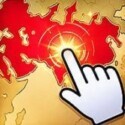





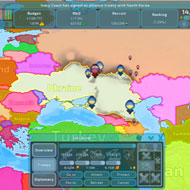
The military slider in Dummynation is the most tempting control on the screen and the one most likely to wreck your country. You are handed a single nation on a world map with one goal — world domination — and the path there depends far more on balancing your budget than on how quickly your armies march.
| Genre | Grand strategy, sandbox |
| Core Mechanic | Manage one country’s budget, research and army to conquer the world |
| Win Condition | Control every country on the map |
| Session Length | Short to medium, depending on country choice |
| Best For | Players who want strategy without heavy micromanagement |
Budget First, Armies Second in Dummynation
Every country in Dummynation runs on a budget split between its economy, research and military. Pushing money into the army builds troops quickly, but it slows down economic growth and leaves less for research. Pushing money into the economy grows income for later, at the cost of a weaker defense right now.
That trade-off is the entire strategy. A country that sprints toward war with a weak economy runs out of steam halfway through its first big conflict.
Research improves the effectiveness of your soldiers and your economy over time. Skipping it entirely works on easy targets but becomes a problem once your armies meet a rival that has invested heavily and fights noticeably better per unit.
Moving Troops and Taking Territory
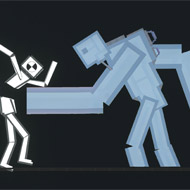
Armies in Dummynation are represented by little dummy soldiers spread across your borders. You direct them by choosing where to attack, and the troops move toward that target, fighting enemy soldiers along the way. Borders shift smoothly as land changes hands rather than snapping from province to province.
Spreading troops too thin is a common early mistake. Attacking two neighbors at once divides your army, and both fronts often stall. Focusing on one target, finishing it and then moving to the next tends to work much better.
Players who come from heavier grand strategy titles sometimes feel there is too little direct control here, since the soldiers handle the details of fighting on their own. Players who want quick strategy without hundreds of menus usually see that same simplicity as the main appeal.
Diplomacy and Choosing a Starting Country
War is not the only tool. Alliances and diplomatic pressure let you set rivals against each other, so a strong neighbor can be weakened by someone else’s war before you ever attack it.
Starting country choice changes everything. A large, rich nation can push outward almost immediately, while a small country has to build its economy for a while before any attack is realistic. Many players treat a tiny starting nation as a self-imposed challenge run.
By the time you control a whole continent, the game shifts from survival to logistics — long borders mean many fronts, and keeping enough troops on each one becomes the real test.
Dummynation Questions From New Players
Why does my country keep losing wars it should win?
Usually the economy is too weak to sustain the war. Lowering the military share for a while to rebuild income and research, then attacking again with a stronger base, tends to fix a stalled campaign.
What is the best country to start with?
Large countries with strong economies are easiest because they can attack early and recover from mistakes. Smaller nations work too, but they need patience and careful use of alliances before expanding.
How much should I put into research?
Research pays off over a longer game. A steady share keeps your soldiers competitive with rival nations, and players who ignore it often notice their armies losing even battles in the mid-game.
Conquering the map in Dummynation is less about the size of your first army and more about the balance behind it. Keep the economy growing, fund enough research and send your dummy soldiers at one target at a time, and the borders will keep moving your way.
Comments
There are no reviews yet. Be the first one to write one.
