















It’s Fine











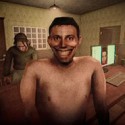




You open the editor with 24 hours left on the clock, and Joe, your dog and demanding Project Manager, is already watching the progress bar. In It’s Fine every line of code you write feeds a station, every station feeds the next one, and the deadline for a stable version never moves. The loop looks gentle at first glance, but this game keeps changing the rules underneath the numbers.
| Genre | Idle and incremental, with resource management |
| Platform | PC (Windows and SteamOS/Linux) |
| Players | Single-player |
| Goal | Deliver a stable version before Joe’s deadline |
Coding Under Joe’s Watch in It’s Fine
Early in the game you are doing the simplest thing an incremental player can do: produce, spend, and produce faster. The first resources arrive quickly, upgrades make them arrive faster, and the rhythm feels familiar to anyone who has lost an evening to an idler. What separates this game from a plain number climber is that progression brings new effects instead of just bigger totals. A station that felt solved a while ago can start behaving differently. Idle veterans who expect to set a strategy once and walk away will find that the stations keep asking for a second look.
The crunch framing is more than decoration. Every run tells the same story of shipping a game before time runs out, and Joe never lets you forget it.
Newcomers usually make one mistake: they pour everything into the loudest upgrade and ignore the quiet ones that unlock new mechanics. A multiplier gives you a bigger number today, but a new mechanic changes what the whole station can do tomorrow. Read what each station is doing before you buy the next boost, and you will stall far less often when a run starts to feel slow.
Stations That Grow Their Own Rules
Each station has its own resources and its own personality, and they do not all play by the same logic. Instead of one shared currency that simply scales up, you juggle small systems that evolve as you push them. A few of the stations players talk about most:
- The botfarm, which generates wishlists for your marketing team
- The legendary Voodoo Kraken, which you have to tame rather than just feed
- Peanut, the squirrel who generates clean energy
Peanut is the clearest example of the design. Once Peanut evolves, the clean energy stops being quiet and he starts shooting lightning all over the room, which turns a calm power source into something you have to manage. Strategy fans who like to optimize will enjoy that shift, because the best setup from an hour ago is rarely the best setup after an evolution.
Some players find the constant mechanical change slightly exhausting, especially when they just want to watch a number climb. That reaction is fair, and it is the main reason the game feels more like a puzzle with idle parts than a pure idler.
Sleephours and the Dreamtree Reset in It’s Fine
Prestige here is built around sleep. You earn Sleephours, the most valuable currency an indie dev can have, and spend them at the Dreamtree on permanent meta-upgrades. Those upgrades unlock new mechanics and unique effects that persist across your runs, so each restart begins from a stronger position. By the time the Dreamtree opens up, the loop shifts from surviving the 24 hours to deciding how to shape the next run.
Resets are where players split. Fans of layered prestige love watching old walls disappear on the next attempt, while anyone who dislikes restarting a nearly finished run may find the cycle repetitive. The game is honest about being that kind of idler, so it helps to know which camp you are in.
Completionists get extra reasons to keep going. Challenges set the room on fire and unlock special effects, hidden secrets reward digging around, and alternate endings wait for players who want to see how else the deadline can end. Achievement hunters will have plenty to chase long after the first stable version ships.
Joe, Sleephours, and Endings: Quick Answers
How does prestige work in It’s Fine?
You sleep to earn Sleephours, which resets the current run but gives you a currency that carries over. You then spend those Sleephours at the Dreamtree for permanent upgrades. The next run starts faster because of what you kept.
What does the Dreamtree unlock?
The Dreamtree holds meta-upgrades, new mechanics, and unique effects that stay with you between runs. It is the main place where Sleephours turn into long-term progress. Spending there first usually makes the following run noticeably smoother.
Is there more than one ending?
Yes, there are alternate endings beyond simply delivering on time. Joe’s deadline can end in different ways, and secrets and challenges are part of what leads you there. The exact triggers are meant to be discovered, so expect to experiment.
Between Joe’s deadline, Peanut’s lightning, and the pull of the Dreamtree, It’s Fine rewards players who stay curious about what each station is really doing. Spend your Sleephours wisely, keep an eye on every evolution, and see how many endings you can uncover.
Comments
There are no reviews yet. Be the first one to write one.