







Feed The Pit
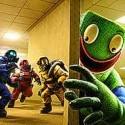
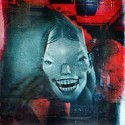
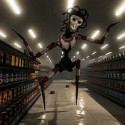











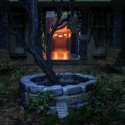
You come to standing in a patch of woods you don’t recognize, your phone the only light source, and somewhere close enough to hear, something called Apple already knows you’re here. That’s the opening moment of Feed The Pit — no map, no weapon, just the sound of something moving between the trees.
| Genre | Horror survival / exploration |
| Platform | Browser (HTML5) |
| Perspective | First-person |
| Antagonist | Apple |
| Core Mechanic | Sneak between houses collecting bazooka pieces while avoiding Apple |
Waking Up in the Woods With Nothing but a Phone
Feed The Pit doesn’t waste time on setup. You’re dropped into a wooded area with houses scattered across it, no explanation beyond the implication your own phone is responsible, and the game trusts you to explore. No objective marker at first — just open ground and a growing suspicion standing still is a bad idea.
The disorientation is deliberate. Most players spend their first couple of minutes walking the perimeter, getting a rough sense of where the houses sit, before Apple makes its presence known and casual scouting stops being safe.
It’s a small map by horror-game standards, but the lack of guidance makes it feel bigger on a first attempt. Learning the general layout is the single biggest advantage a player can have going into a second run.
Apple: The Only Thing Guarding This Place
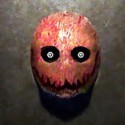
Apple is the entire threat in Feed The Pit — no secondary enemy, no environmental hazard, just one antagonist patrolling the woods and reacting to noise and sightlines. The absurdity of a phone-adjacent figure standing between you and escape is played completely straight, why the tone lands as funny-scary rather than purely goofy.
Apple doesn’t chase blindly. Line of sight and proximity both matter, and getting caught in open ground with nothing blocking the view is close to a guaranteed loss. That single rule — stay out of sight, stay behind something solid — shapes almost every decision once you understand it.
Contact with Apple ends the run. There’s no health bar to manage or damage to absorb; it’s a binary outcome, which raises the tension of every close call far higher than a forgiving hit-point buffer would.
Feed The Pit’s Six Bazooka Pieces, Scattered and Unmarked
The win condition runs through six bazooka pieces hidden inside the houses, since Apple’s one known weakness is getting hit with an assembled bazooka. None are marked on any tracker, so finding them means checking houses one at a time, weighing the risk against the chance a piece is inside.
Because the pieces are placed randomly, no two runs play out identically. A first house checked might hand you two pieces at once, or it might be empty, and that randomness is why replaying Feed The Pit doesn’t get stale.
Most players develop a rough search order over repeated attempts — closer houses first, then working outward — since a rigid pattern makes you predictable. A loose approach that still stays organized tends to work best:
- Check the nearest house for a bazooka piece before moving further
- Track roughly which houses you’ve cleared to avoid wasted backtracking
- Only commit to a longer route once Apple’s general position is known
Houses as Cover, Not Just Set Dressing
Every house does double duty as a search location and a piece of defensive geometry. Since Apple’s threat is built around sightlines, ducking inside a house is the most reliable way to break line of sight and reset a tense encounter before it turns fatal.
That dual purpose keeps the map from feeling like a simple checklist. You’re never just walking toward a house to search it — you’re calculating whether it’s currently useful as cover, which changes depending on where Apple happens to be.
Players who treat houses purely as loot containers, rushing in without checking surroundings, tend to have far shorter runs than players who treat each house as a temporary safe zone.
The Notification Sound That Won’t Leave You Alone
A recurring notification sound plays roughly every fifteen to forty seconds, and it’s one of the more talked-about details in Feed The Pit. It doesn’t always signal danger, but the unpredictable timing keeps a baseline of tension running even when Apple isn’t nearby.
It’s a cheap trick in the best sense — a jump-scare tool that costs almost nothing but keeps players from ever fully relaxing, even in a house that’s currently safe. Several players credit the notification cue as scarier, in the moment, than Apple itself.
Audio carries a lot of the experience: turning sound off noticeably flattens the tension, since much of what makes Feed The Pit unsettling comes from what you hear rather than see.
Why the Debug Cheats Split Opinion
Feed The Pit ships with accessible cheat toggles, activated by holding a key and layering on options that disable Apple’s hitbox, light up the map, or force the notification sound on demand. Their presence is unusual for a horror title built around tension, and it’s genuinely divisive.
Some players see the cheats as a fair accessibility option for anyone who wants to explore the map or see the ending without repeated deaths. Others argue leaving them this easy to reach undercuts a game built on scarcity and fear, since one held key removes the pressure Apple’s patrol creates.
Neither side is unreasonable, and the debate hasn’t settled — it comes up in nearly every discussion thread about Feed The Pit, usually framed as whether a horror experience should ever make itself this easy to defang.
Full Bright, Hitboxes, and Playing It Fair
The toggles go beyond a simple god-mode switch. Held together, the cheat menu breaks down into a handful of separate options:
- Full bright, which strips away the map’s atmospheric darkness
- A hitbox toggle for Apple, which removes the fail state
- A bazooka toggle, controlling whether the weapon functions
- A forced notification trigger, hearing the cue on demand instead of on its timer
Stacked together, they can turn a tense fifteen-minute run into a guided sightseeing tour of the map.
Most players who use the cheats do it selectively — full bright to map house locations on a first run, without touching the hitbox toggle that removes the danger entirely. That middle ground is where the community has quietly settled.
It’s worth knowing these options exist before starting, since stumbling into one by accident mid-run changes the tone of Feed The Pit from tense to trivial in a keypress.
Why Sound Design Is Feed The Pit’s Real Difficulty Slider
Between the notification cue, Apple’s footsteps, and the ambient woods noise, audio does more to control the pace of Feed The Pit than any visual element. A run with headphones on feels meaningfully harder than one played muted, since warning signs are mostly audio-first.
That imbalance is the game’s biggest unofficial difficulty setting — nobody adjusts it through a menu, but sound on or off changes things more than any single cheat toggle.
It also means players who mute games out of habit walk into Feed The Pit at a real disadvantage, missing cues longtime players treat as the primary way they track Apple.
How many bazooka pieces do you actually need to find?
Six, scattered randomly across the houses on the map. All six need to be collected and assembled before the bazooka becomes usable against Apple.
Is there a way to avoid Apple entirely instead of fighting it?
Avoidance is the default strategy for most of a run — using houses for cover and breaking line of sight matters far more than direct confrontation, since Apple has no health bar to whittle down outside the bazooka encounter itself.
Do the cheat toggles disable achievements or progress?
Feed The Pit doesn’t gate its ending behind an untouched cheat menu, so using toggles like full bright or the Apple hitbox switch won’t lock you out of finishing a run, though it removes most of the tension that makes reaching that ending feel earned.
Feed The Pit works because it commits fully to a silly premise — a phone-shaped threat named Apple, a bazooka assembled from six scattered pieces, houses that are equal parts loot spot and hiding place — and never winks about how ridiculous it sounds on paper. Whether you full-bright the map or play it dark with headphones on, the bazooka pieces and Apple’s patrol are the two systems every run comes down to.
Comments
There are no reviews yet. Be the first one to write one.