















The Boy Who Cried Wolf (Analog Horror)

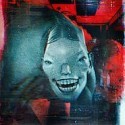


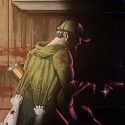







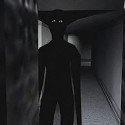

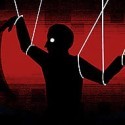

The Boy Who Cried Wolf (Analog Horror) takes a familiar warning about lies and turns it into a much darker story about fear, isolation, and a danger that eventually becomes impossible to dismiss. The familiar shepherd boy and the Wolf are placed in a setting where repeated false alarms gradually destroy the trust between the boy and the people who should respond to him. At first, the story resembles the traditional fable: a bored boy raises the alarm, villagers come looking for danger, and nothing is there. The horror changes the meaning of that pattern by making the Wolf feel like a genuine presence rather than a simple moral symbol. Once the boy finally has a reason to be afraid, his earlier lies become more than a lesson about honesty because they have changed how everyone interprets his warnings.
| Genre | Analog horror, fairy-tale horror |
| Core focus | False alarms, distrust, and an approaching Wolf |
| Central figures | The shepherd boy and the Wolf |
| Primary setting | A rural hillside and surrounding woodland |
The Boy Who Cried Wolf and the First False Alarms
The strongest part of The Boy Who Cried Wolf (Analog Horror) is the way a familiar situation becomes uncomfortable before anything openly frightening has to happen. The shepherd boy is associated with the responsibility of watching over sheep, yet boredom gives him a reason to disturb the villagers with warnings that are not true. In the traditional story, this behavior is mischievous and eventually teaches a simple lesson about credibility. Here, the same pattern creates a much more disturbing question: what happens when a person has already trained everyone around him to ignore his voice? The game-like structure of repeated warnings makes each new cry more important because the audience already understands that trust is being spent.
Early in the story, the false alarms work because the villagers still believe that the boy may be telling the truth. Their willingness to respond gives the boy exactly what he wants, but every successful deception makes the next warning weaker. This is where the phrase cry wolf becomes more than a reference to the old fable. It describes a social trap in which repeated deception changes the meaning of an otherwise simple warning. A player who enjoys psychological horror will notice how little physical action is required to establish that trap, while viewers who prefer folklore-based horror can recognize the original structure almost immediately.
The sheep also matter because they represent the responsibility the boy has been given. Watching them should be routine, but the quiet environment leaves room for boredom, curiosity, and reckless behavior. That contrast makes the first warnings feel deceptively harmless. The unsettling part is not simply that the boy lies, but that the consequences of those lies are accumulating somewhere outside his immediate view.
When the Wolf Stops Being a Story
The Wolf changes the meaning of every earlier scene once the danger becomes real. In the classic fable, the arrival of the Wolf proves that the boy’s previous behavior has destroyed his credibility. The analog horror approach pushes that idea toward something more frightening: the Wolf can be treated as a real presence waiting beyond the safe area where the villagers feel comfortable. The story therefore works through anticipation rather than constant action. By the time the genuine threat matters, the audience already knows that a warning may arrive too late.
One detail that makes this kind of horror effective is the separation between what the boy knows and what the villagers believe. The boy may understand that something has changed, but his history prevents anyone from reacting normally. The villagers are not simply careless, and the boy is not merely unlucky. Their response has been shaped by his previous choices. That makes the central conflict uncomfortable because there is no easy correction once trust has disappeared.
By the time the Wolf becomes the focus, the rural setting feels different from the harmless pasture associated with the original tale. Trees, distance, darkness, and empty space become part of the threat. Horror fans who pay attention to background movement and sound cues are rewarded because the atmosphere can suggest danger before the Wolf needs to dominate the frame. At the same time, viewers who prefer story-driven horror may find the setup more effective than a sequence built around constant sudden scares.
Trust, Isolation, and the Shepherd Boy
The shepherd boy is frightening to watch precisely because the original moral is working against him. He begins with control over the villagers’ attention, using the word wolf as a way to make people react. After enough false warnings, that control turns into isolation. The same word that once brought people running can eventually produce silence. The story does not need a complicated mechanic to communicate this change because the central rule is easy to understand: credibility disappears faster than it can be rebuilt.
A beginner approaching this story may expect the horror to depend entirely on the Wolf, but the more important threat is the collapse of communication. The Wolf becomes terrifying because the boy cannot rely on the normal response to danger. Someone who enjoys narrative horror will likely focus on that relationship between warning and disbelief, while a folklore fan may pay more attention to the way the familiar moral is transformed into a darker consequence.
There is also a divisive element in this approach. Some viewers may find the premise predictable because everyone already knows how The Boy Who Cried Wolf is supposed to end. Others will appreciate the tension created by watching a familiar outcome become increasingly grim. The predictability is intentional rather than necessarily a flaw: knowing the basic story does not tell you exactly how the horror atmosphere will frame the Wolf, the boy, or the moment when the warnings stop working.
Why the Familiar Fable Works as Horror
The Boy Who Cried Wolf has survived for centuries because its central idea is extremely simple: repeated lies can make the truth impossible to recognize when it finally matters. The story is traditionally associated with Aesop’s fables and the expression cry wolf, which describes a false alarm that eventually causes genuine warnings to be ignored. That foundation already contains a natural horror premise. If the danger is real and everyone has been trained not to believe the person reporting it, the protagonist can become trapped without needing a locked room or supernatural barrier.
The analog horror style adds another layer by making the story feel like a disturbing record of something that has already happened. Instead of presenting the fable as a clean moral lesson, the format encourages attention to gaps, atmosphere, visual distortion, and the possibility that the Wolf represents something larger than the original warning. The result is especially effective when the familiar setting remains recognizable while becoming increasingly unsafe. The game-like expectation of identifying a threat is replaced by the uncertainty of deciding whether a warning deserves belief.
One of the most recognizable community terms connected with this style is analog horror, a form built around unsettling recordings, degraded presentation, and information that is often incomplete or unreliable. The Boy Who Cried Wolf fits naturally into that vocabulary because the central conflict already depends on unreliable communication. The horror comes from understanding that a warning can be completely true and still fail to save anyone.
Why does the boy lose the villagers’ trust?
The shepherd boy repeatedly uses false warnings about the Wolf to get attention, following the same basic pattern as the traditional fable. Each false alarm teaches the villagers that his cries cannot be trusted, so when the Wolf becomes a genuine danger, his words no longer carry the authority they once had. The horror comes from the fact that the loss of trust is permanent enough to become dangerous.
What makes the Wolf different from an ordinary threat?
The Wolf is frightening because the story connects the creature to the boy’s failed warnings and growing isolation. Rather than functioning only as a simple animal antagonist, the Wolf becomes the proof that the danger the villagers dismissed can actually exist. Once the Wolf is taken seriously, every earlier cry changes meaning because the audience knows that the boy was eventually telling the truth.
Why is The Boy Who Cried Wolf effective as analog horror?
The Boy Who Cried Wolf works in analog horror because the original fable already revolves around unreliable communication, fear, and the consequences of being ignored. The familiar hillside, sheep, villagers, and Wolf provide recognizable elements while the darker presentation turns a simple moral into an unsettling scenario. The tension comes from waiting for the moment when the warning becomes real and realizing that nobody may respond in time.
The Boy Who Cried Wolf (Analog Horror) is strongest when the shepherd boy’s familiar cries are treated as the beginning of a much darker chain of events. The Wolf, the sheep, and the silent distance between the hillside and the villagers all reinforce the same central idea: once trust has been destroyed, even a genuine warning can arrive without help. That combination of familiar folklore and oppressive uncertainty gives The Boy Who Cried Wolf (Analog Horror) its most memorable quality, especially when the Wolf finally turns an old moral lesson into a source of genuine fear.
Comments
There are no reviews yet. Be the first one to write one.