
















Not My Son







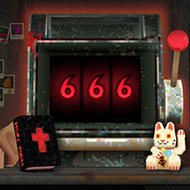








Not My Son looks like a quiet evening at home but plays like a slow test of how long you can stay in a house with someone you do not understand. You are a newly married man left alone with your wife’s child for the first time. The rooms around you are calm in a way that never quite feels safe.
| Genre | First-person psychological horror |
| Platform | PC |
| Role | A stepfather alone with his wife’s son |
| Setting | A quiet house |
| Focus | Family tension, exploration and nightmare sequences |
A Stepfather, a Boy and One Quiet House in Not My Son
The structure is easy to describe. You explore the house, the nightmares grow stronger, and you piece together the truth behind the boy’s behavior. It is one house and two people, and the fear grows out of rejection, isolation and the fragile bond between a parent and a child. Nothing about the game asks you to fight your way forward.
The stepfather is not a hero, and that matters. You are an adult who is trying to connect with a child who does not want to be connected with, and the discomfort comes from that mismatch more than from any monster.
Beginners tend to walk through the rooms expecting the next scare, and in doing so they miss the quiet cues that carry the story. The game is built around exploration and observation, so rushing from one area to the next leaves most of the meaning behind. Slow movement and long looks at ordinary objects are the correct way to play.
Domestic Details That Do the Scaring
Most of the horror lives in small environmental cues. A room that looks normal can feel wrong because of one detail, and the daily routine of a household is interrupted by moments that suggest something is deeply off beneath the surface. This is why the game keeps pulling you back to look again.
- The way the boy behaves when you are in the same room
- Small changes in rooms you have already explored
- Objects that feel out of place in an ordinary home
- Stretches of silence that last longer than a normal house would allow
Slow-burn horror fans will feel at home here, since the dread builds through restraint rather than noise. Story-focused players get the most from it too, because every discovery brings you closer to an answer you may not be ready to face.
When the Nightmares Grow in Not My Son
Early on, while the house is still quiet, the tension is mostly about the stepfather and the boy sharing space. Once the nightmare sequences begin to grow, the line between the household and the dream blurs. The shift is what players talk about most, because the ordinary rooms look almost unchanged just before things turn.
Those nightmare sequences interrupt moments of mundane domestic life, and the contrast does more work than any loud sound could. A calm kitchen scene followed by something nightmarish hits harder than a constant stream of scares. It also gives you a reason to stay alert even when nothing seems to be happening.
The game is divisive, and it is fair to say so. The pace is slow, the source of fear is a child, and the story holds back its answers. Players who want action or clear rules often bounce off it, while players who enjoy uncomfortable ambiguity stay with it. Trying the demo on Steam first is a sensible way to find out which group you belong to.
Questions Players Ask Before Starting Not My Son
- Is there combat? No. The stepfather explores a quiet house and reacts to what he finds, and the fear comes from observation rather than fighting. Expect environmental cues and nightmare sequences instead of weapons.
- Does it rely on jump scares? Not mainly. The horror comes from the strained relationship between the stepfather and the boy, plus the nightmares that interrupt normal domestic scenes. The atmosphere does most of the work.
- What is the story about? It follows a newly married man who is alone with his wife’s son for the first time and slowly uncovers the truth behind the boy’s behavior. The theme is the fragile bond between a parent and a child, and what happens when that bond is rejected.
Not My Son is at its best when you stop looking for a monster and start watching the boy, because that is where the story hides. The stepfather’s unease, the quiet house and the nightmares that grow around them all point toward the same uncomfortable question, and the game does not make it easy to look away.
Comments
There are no reviews yet. Be the first one to write one.
