
















Beyond The Frame
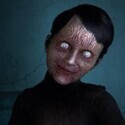




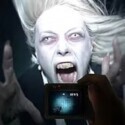

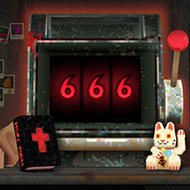
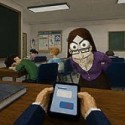


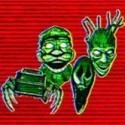



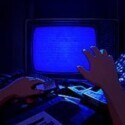
You raise the Polaroid in Beyond The Frame and the hallway in the viewfinder does not quite agree with the one around you. That small disagreement is the whole pitch: a horror game set in the liminal dreamscapes of an 11-year-old child, where the camera notices things your eyes skip. Nothing screams at you in the first minutes. The rooms sit very still, and you start wondering what moved while you weren’t looking.
| Genre | Psychological horror, adventure |
| Perspective | First-person |
| Players | Single-player |
| Platform | Windows |
| Demo session length | About one hour |
How the Polaroid Drives Exploration in Beyond The Frame
The core mechanic fits in one sentence: you photograph your surroundings, and the photos reveal clues, open hidden paths and feed the puzzles that push you deeper into the dream. The common beginner mistake is raising the Polaroid only when something looks obviously wrong. Walking a room slowly with the viewfinder up pays off far more than rushing to the next door. The camera is built on the idea that it can see things you can’t, so a plain-looking corridor is worth a shot.
The Polaroid hangs from a strap and bounces against the child’s stomach as you walk, and you can see yourself in the frame when it is up. Details like that make the camera feel like a physical object rather than a menu. The flash has its own controls and on-screen hints, which were clarified after early feedback.
Players who want to know how the camera works in practice should treat it as the main way of talking to the dream. Early rough edges are part of the picture too. Steam discussion threads mention trouble with first interactions and video settings that do not save, which is typical of a small team’s demo and worth knowing before you start.
Quiet Horror and Dream Logic in Beyond The Frame
The horror here is quiet by design. Objects move when you aren’t looking, and you are never sure whether you’re alone. If you arrive from chase-heavy Backrooms games expecting a monster, adjust your expectations. Some players waited for an entity to show up and got thumps, taps and distant machinery sounds instead. That restraint is divisive: some love the dread, while others want a payoff the demo does not give.
The story is told through symbols and metaphors hidden in each dream, and the walking simulator side of the game rewards careful observation more than reflexes. Theory-crafters have plenty to chew on. Once the VHS tape appears near the end, viewers in video comments start trading ideas about whether the child is truly alone in the house.
The demo takes about an hour, so it suits a single evening session. The developers flag mild depictions of persons in vulnerable situations, and the tags lean into mental health themes, so the mood is closer to unease than to jump scares.
Flashlight, Stances and Interaction in Beyond The Frame
Flashlight: it works alongside the Polaroid rather than replacing it, and it has its own thumb animation. Its collision was improved so it stops clipping into walls. It also no longer clicks while you are prone, a small touch that matters when the whole game depends on silence.
Run, crouch and prone: there is a toggle option for all three stances, which helps players who dislike holding keys down. Sprinting while prone was removed, so crawling stays slow. Stealth-minded players who enjoy low movement will find the stances useful for moving through dark spaces carefully.
Interaction: the VHS-style interaction system and the hand you reach out with were both reworked, and the hand was made a little less creepy. Locked doors were also made more obviously locked, which answers one of the early complaints from players who kept rattling handles.
Head Bob, the Kitchen and Other Rough Spots
The loudest criticism so far is physical. One player reported motion sickness and struggled in one area, and the head bob is the usual suspect. The team has said accessibility options to turn it off are planned for the full game. Anyone sensitive to first-person movement should keep that in mind before settling in for the full hour.
The kitchen comes up as the section where players stall. An update aimed at making the kitchen and a few other areas easier to navigate and progress through has already been promised. If you get stuck there, you’re in good company, so check that you’re on the latest build before you blame yourself.
On handheld, players report that the game runs surprisingly well on Steam Deck, though the requests for gamepad support are loud. The demo is also short and still at an early stage, with a full-length version as the stated goal. Players who want a polished, finished story should wait, while those who enjoy watching an idea take shape will find plenty to like.
By the time the VHS tape appears and the Polaroid has stopped giving up easy answers, Beyond The Frame has made its argument that the scariest room is the one you’ve already photographed. Whether the kitchen frustrates you or the head bob wins you over, the hour leaves you with questions about the child’s dream and a camera you trust a little less than when you started.
Comments
There are no reviews yet. Be the first one to write one.
