















My Own Hero Party
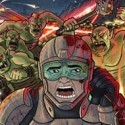
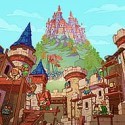










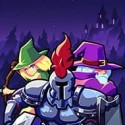
You get thrown out of the hero party, pick up two allies and step into the first room of an expedition with the stamina timer already draining. That is the premise of My Own Hero Party, and it sets the tone for everything that follows: every run is a small race, every room is a decision about speed, and every bit of gold feeds a bigger plan for the next attempt. The fights play out automatically, so your real job is deciding who stands in your party and what gets upgraded next.
| Genre | Casual incremental auto battler |
| Party size | Up to 3 heroes |
| Run structure | Room-based dungeon expeditions ending in a boss |
| Pressure | Stamina timer |
| Progression | Persistent upgrade tree |
| Mode | Single-player |
Kicked Out and Starting Over in My Own Hero Party
The story hook is simple and a little petty, which is part of the charm. After being thrown out of the hero party, the only sensible reply is to build a better one, and the game turns that grudge into a loop of recruiting allies, clearing dungeons and growing stronger. Cute pixel art and a relaxed tone keep things light even while the stamina timer is ticking.
Players tend to describe it as a casual incremental auto battler, and the tags back that up: incremental, relaxing, strategy and economy management all show up. That mix explains why it appeals to people who like idle games but want something to steer.
The hook is also a promise about pacing. Each run feeds permanent progress, so a failed expedition still leaves you stronger than before. Anyone expecting punishment will find a forgiving structure instead.
Room by Room Against the Stamina Timer
An expedition is a string of rooms, and the demo describes expeditions as 20 rooms long, ending at a boss. Your party fights automatically in each room, enemies grow denser as you go and the stamina timer counts down the whole time. The goal is to reach the boss before your stamina runs out, which turns every run into a race rather than a slow grind.
The pressure is the point. Early rooms feel relaxed, but once enemy density climbs, hesitating costs real time.
A typical expedition follows this loop:
- Form your party before leaving.
- Clear rooms one at a time while the stamina timer drains.
- Use targeted abilities in crowded rooms.
- Reach the boss or run out of stamina.
- Spend gold in the upgrade tree before the next run.
Targeted abilities give you something to do besides watch. Using them well in a crowded room can mean the difference between clearing it quickly and bleeding stamina, so even a mostly automatic fight rewards attention.
Gold, First Clears and the Permanent Upgrade Tree
Gold is the currency that makes every run count. You collect it while clearing rooms, and first-clear rewards add a bonus the first time you beat a dungeon, which gives early victories extra weight. All of it flows into a persistent upgrade tree that carries over between runs.
The tree is where the incremental side shows up. Each purchase makes the next expedition a little faster or safer, and unlocks such as Party Leveling open entirely new systems rather than just bigger numbers. That second kind of unlock keeps long sessions from feeling flat.
A typical sitting lasts around an hour, and the incremental pacing fits that rhythm: a few expeditions, a round of spending, then a decision about whether to push on. Offline progress is also listed among the game’s features, so closing the window does not freeze everything.
Warrior and Archer Roles in a Three-Hero Party
Your party holds up to three heroes, and the roster leans on classic roles. The Warrior stands in front and soaks up pressure, while the Archer stays behind and picks enemies off with ranged shots. The split is old fashioned, but it works because the auto-combat handles positioning for you and leaves composition as the real choice.
Composition matters more than raw level early on. A party without a sturdy front-liner tends to struggle in crowded rooms, while one without ranged damage tends to stall before the boss.
Players who enjoy tinkering with builds will get the most out of this layer, and anyone who prefers to leave decisions alone can still progress on the defaults.
The Dojo, Level 60 and Talent Choices
Unlock Party Leveling in the upgrade tree and the Dojo opens. From that point your active heroes earn experience from defeated enemies, can reach level 60 and spend talent points on their own builds. It is the layer that turns the party from a set of numbers into characters with identities.
Each hero has two talent paths. The Warrior chooses between Guardian, which leans on counterattacks and barriers, and Berserker, which builds around fury and aggressive combat. The Archer chooses between Marksman, which favors powerful precise shots, and Hunter, which controls enemies with frost and hunting effects.
The Dojo is also where the game draws its sharpest line between casual and invested players. Casual players will happily ignore it until a boss becomes a wall, while invested players will treat experimenting with talent builds as the main event.
From the Minotaur to Werewolf’s Den in My Own Hero Party
Dungeons come in multiple types with difficulty tiers, and clearing them unlocks harder ones. Defeating the Minotaur is the milestone that points players toward Party Leveling, so it works as a gate between early play and the build-focused middle of the game.
Werewolf’s Den is a newer dungeon, and it makes a natural place to test a party that has started spending talent points. Expect enemy density to show quickly whether your Warrior and Archer builds fit together.
Incremental fans split over pacing, and the stamina timer sits right on that fault line. Some players want the urgency, while others come to an idle game to relax and find race pressure unwelcome. The game’s mix of semi-idle and active play sits in the middle, and there is no ending, so progress is measured in dungeons cleared and tiers unlocked.
Questions Before Your First Expedition
How do you unlock the Dojo in My Own Hero Party?
Unlock Party Leveling in the upgrade tree. Once it is active, your heroes earn experience from defeated enemies and can spend talent points on Warrior or Archer builds.
How many heroes can you bring on an expedition?
A party holds up to three heroes. A Warrior and an Archer cover the two basic needs of a room-based dungeon, with one hero absorbing pressure and another dealing damage from range.
Is this an idle game?
It is semi-idle. Combat plays automatically and offline progress is listed among the features, but targeted abilities and the stamina timer reward active play. Think of it as an incremental game with steering rather than a pure waiting game.
My Own Hero Party rewards the player who treats every expedition as a race and every gold coin as a down payment on the next run. Recruit a sturdy Warrior, keep an Archer behind them, and let the Dojo and the upgrade tree carry the party past the Minotaur and into Werewolf’s Den.
Comments
There are no reviews yet. Be the first one to write one.