















Iron Blight
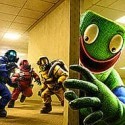





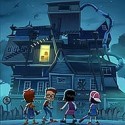


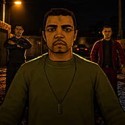
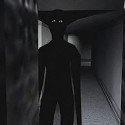


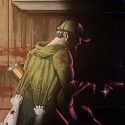
In Iron Blight you begin locked in a room in a cold, rainy Eastern Bloc town while abominations claw at the door, which matters because there is no health bar, no ammo counter and no map to tell you how bad things are. A radio crackles with a single message, nobody is coming, and that is when you stop waiting and start moving. Everything after that is about surviving one feverish night to find your wife, Valeria.
| Genre | Survival horror |
| Players | Single-player |
| Platform | PC (Steam) |
| Core loop | Scavenge, avoid fights, reach Valeria |
The Opening Room and the Radio in Iron Blight
The first minutes set the tone for the whole game. You are trapped with nowhere to run, abominations are clawing at the door, and the radio static delivers its cold verdict that nobody is coming. Despair is what kept you frozen in place, and the moment that despair turns into cold fury is the moment the game actually begins. There is no tutorial pop-up and no glowing objective marker, only the sense that waiting any longer means dying in that room.
That framing teaches the rules early. Nobody will rescue you, so every decision after the door opens belongs to you, from which street to try first to whether a noise is worth investigating.
The town itself is a forgotten Eastern Bloc settlement where the state has collapsed and something stirs beyond every wall. Its retro look and 1990s feel give the streets a damp, claustrophobic weight, and players often mention the atmosphere before anything else when they describe the game. Once you leave the room, the desolate streets and cramped interiors do most of the scaring without needing a single loud cutscene.
Reading the Town Without a HUD in Iron Blight
The game strips out the interface almost completely. Ammo and health are shown through your character and the world around you rather than through numbers, so you learn to check your weapon and pay attention to how your character moves instead of glancing at a corner of the screen. That makes the first street feel far more exposed than it would in a standard shooter, because you can never be fully sure how much you have left.
Inventory space matters just as much. What you carry and what you leave behind can decide whether you see another morning, so grabbing everything in sight is one of the most common beginner mistakes.
Early in the game the missing interface feels like a handicap, but by the time you have cleared a few blocks it becomes part of the horror. Players who enjoy methodical exploration tend to love the design, while action-first players sometimes wish for a simple counter. Either way, the lack of numbers means you count bullets in your head, and that habit makes every encounter feel personal.
Bullets, Jams and the Sound of Gunfire
Every bullet matters, and the sound of a gunshot can draw more horrors toward you. That turns each trigger pull into a decision instead of a reflex. Your pistol is a last resort rather than a solution, and the game keeps nudging you to avoid unnecessary fights and to choose between fighting, fleeing or dying.
Then the weapon jams. Weapon jamming is a detail many players praise, since it fits the survival side perfectly and adds real tension at the worst possible moment. A jam in the middle of a close encounter teaches you to keep distance and clear a path before you need it.
Noise discipline becomes a habit the longer you play. Instead of clearing every room, you start asking whether a fight is worth the sound it will make, and often the better move is to slip past. Once you stop treating bullets as the answer to everything, the town opens up in a different way.
Lurkers, Pouncers and Corner Discipline
Zombies and several mutant types make up the main threats, and players describe them as lurking and pouncing rather than charging in the open. That detail changes how you move. A doorway or a turn in a hallway is no longer just geometry, it is a place where something might already be waiting.
Players who grew up on Resident Evil and Silent Hill will recognize the rhythm, and Cry of Fear fans will notice the same bleak tone, while some reviewers also point to Half-Life in how the game blends its ideas. The comparison is useful, because Iron Blight leans on slow dread more than on fast action.
Running is not always the answer. With limited ammo and a pistol that can jam, you often have to decide in a second whether to back away, slip behind cover or take the shot. That choice, repeated over a long night, is where most of the tension comes from.
Food, Medical Supplies and Locked Doors
Food and medical supplies: both are scarce, and the game expects you to ration them the way you ration bullets. Rushing through a street on low health and hoping for a pickup is how most early runs end.
Locked doors: even opening one demands thought. You scavenge tools to overcome the obstacles ahead, and a few puzzles force you to stop and look at a room instead of running through it.
Backtracking: because the inventory is tight, you will often return to earlier areas for something you could not carry. Methodical players enjoy the loop, while others find the walking slower than the fighting.
Why Valeria Keeps You Moving
Players often praise how simple the goal is. You want to survive and get back to your wife, and that single motivation carries the whole night without needing a sprawling plot. In a genre that sometimes drowns in lore, a plain objective keeps every decision focused.
Because the stakes are personal, small wins feel large. Finding a safe room, a few rounds of ammo or a working door can feel like a real victory when you are playing for one person you may never see again.
Some reviewers do wish the story were told in more detail, with extra notes scattered around the town to build the world. That is one of the few places where the minimalist approach leaves players wanting more.
Difficulty, Length and the Iron Blight Debate
The loudest argument is about difficulty. On normal, ammo can feel plentiful enough that the survival pressure fades, while hard mode is brutal, with scarce resources that make every jam and every wasted shot hurt. Horror purists should start on hard, and anyone who wants a relaxed scare is better off on normal.
Length is the other complaint. Some players call the game short, and reviewers often hope for more maps, modes and weapons. How long a first run lasts depends heavily on how carefully you scavenge, since a thorough player will take noticeably longer than someone who rushes for the exit.
Even so, the atmosphere gets most of the praise. The cold streets, the no-HUD design and the simple goal of reaching Valeria give the game a focus that bigger horror releases often lack.
Iron Blight rewards players who count their bullets, trust their ears and treat every jammed pistol as a lesson. Whether you reach Valeria with a full inventory or only a scrap of medical supplies, the town makes sure you earn it.
Comments
There are no reviews yet. Be the first one to write one.