















FNAF: The Flipside
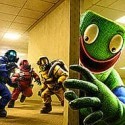
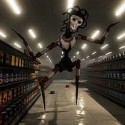



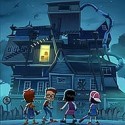

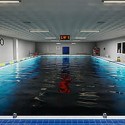
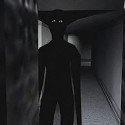
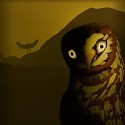
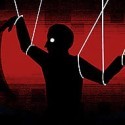

You open the laptop, watch the stability bar under Bonnie the Bunny slide toward zero, and realize you have no proof that The Ghost is actually inside him. That moment sums up FNAF: The Flipside, a game where the scariest decision is accusing the wrong animatronic, not running from the right one. The cameras supply the clues, the timers supply the pressure, and Paulbear waits for you between nights.
Reading the Camera Signs in FNAF: The Flipside
Every night, The Ghost possesses one animatronic from a cast of six: Freddy Fazbear, Bonnie the Bunny, Chica the Chicken, Foxy the Pirate, Marionette and Balloon Baby. Your job is to work out which one, using the camera monitor and whatever the building gives away. Early in the game the tells feel obvious, but the trouble starts when you have to separate a real haunting from ordinary flicker. The investigation is slow, and the game rewards patience far more than reflexes.
A haunted animatronic shows up to four kinds of signs on the cameras:
- Flickering lights
- Handprints
- Camera movement
- Connection Lost text
Most players treat a single sign as a hint, not proof. Two matching signs on the same animatronic are a much safer basis for a guess, and community advice usually says to wait for that second sign before committing.
When the lights flicker, the feed actually goes black for a beat. Recheck the same camera a few seconds later, because a handprint can hide behind that flash.
Stability, the Repair Room and the Cost of a Wrong Guess
The laptop is where the game turns from watching into managing. From it you open the conveyor belt and the stability menu, and every animatronic has a stability level that drains over time. If a bar reaches zero, that animatronic comes for you, so staring at cameras while ignoring the menu is the classic beginner mistake. Sending an animatronic to the repair room resets its timer, which buys time but never solves the case.
A workable routine for each night looks like this:
- Check the stability menu before you look at any camera.
- Send the lowest animatronic to the repair room if its bar is close to empty.
- Scan the cameras for a second matching sign.
- Guess only when the evidence points at a single animatronic.
The wrong-guess penalty hurts. A miss costs a large chunk of stability, and the night does not end until you have solved a set number of possessions, so one careless accusation can snowball. This is the part players argue about: fans of deduction love the tension, while others find the punishment harsher than the clues justify. Anyone who enjoys social-deduction puzzles will feel at home, since the whole loop is about weighing evidence before you commit.
Finding Marionette by Sound
Not every animatronic gives itself away through the picture. Marionette is found by ear: click the speaker icon, then click through the cameras until you hear a music box on one of them. Once Marionette enters the rotation, players who only watch the feed keep missing it, which is why good headphones matter more than a bigger monitor.
The game teaches this by letting you fail. New players often blame bad luck when the real problem is that they never touched the speaker icon. After a few nights, checking sound becomes second nature and you start listening before you look.
Having one animatronic that demands a different sense keeps the six-night run from feeling like one puzzle repeated. Freddy Fazbear, Bonnie the Bunny and Chica the Chicken can be read by eye, while Marionette forces a separate habit.
Paulbear and The Barrens Between Nights
Between nights you leave the restaurant and walk through The Barrens, a limbo between life and death. Paulbear, the spirit of a man trapped inside a bear costume, talks to you there, and rescuing him from that place is central to the story. By the time the later nights arrive, these quiet sections carry as much weight as the camera work.
The look changes completely. The restaurant is realistic and tense, while The Barrens uses a rough, low-poly style that recalls N64-era games. Some players love the contrast, and others say the shift pulls them out of the horror; that argument comes up constantly in fan discussion.
Story-first players tend to enjoy this side the most, because the conversations with Paulbear explain what The Ghost is really after.
The Basement Finale and The Mangle in FNAF: The Flipside
After the final night you crawl into the basement and find an exact replica of the FNAF 2 location. The animatronics return as Withered versions, and the rules flip: you wind the music box, flash Foxy the Pirate in the hallway, and put on the mask when animatronics reach your office.
When her attempts to trap you fail, The Ghost forces the animatronics together and builds The Mangle as her final vehicle. Beating The Mangle is the last exam, and it demands habits from an older style of horror than the investigation you spent six nights learning.
Veterans of FNAF 2 will recognize every routine instantly, while players who came only for the investigation may feel dropped into a different game. That contrast is divisive; some call it a brilliant payoff and others a sudden difficulty spike.
Questions New Investigators Ask
How do you tell which animatronic is haunted?
Watch for the four camera signs: flickering lights, handprints, camera movement and Connection Lost text. Wait for two matching signs on the same animatronic before you guess. Marionette is the exception, since you track it through the music box using the speaker icon.
What happens when stability reaches zero?
The animatronic with the empty bar attacks you. Sending it to the repair room resets its timer, so the laptop menu should be your first stop every night. A wrong guess drains stability quickly, which makes low bars much more dangerous.
What happens between the nights?
You explore The Barrens and talk with Paulbear, which is where most of the story is told. After the sixth night comes the basement with the Withered animatronics and the fight against The Mangle.
Anyone who wants horror built on suspicion instead of chase sequences will remember FNAF: The Flipside, from the first handprint on a Foxy the Pirate camera to the last fight against The Mangle. Paulbear gives the investigation a human reason to keep going, and that is what makes every accusation feel like it matters.
Comments
There are no reviews yet. Be the first one to write one.