















Doggy Don’t Care
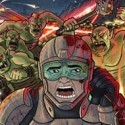
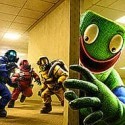


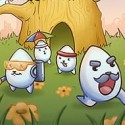
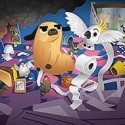
The Mischievous Badges in Doggy Don’t Care do not reward tidiness, speed or good behavior, and that one fact sets the tone for everything else. Charlie is a little pug left alone at home, and his goal is to cause as much adorable chaos as possible while his owner is out. The game turns a familiar question, what does your dog do when nobody is watching, into a sandbox full of puzzles, collectibles and very poor decisions.
| Genre | Comedic 3D adventure and puzzle sandbox |
| Mode | Single-player |
| Levels | Four interactive environments |
| Protagonist | Charlie the pug |
| Collectibles | Mischievous Badges and pawjama outfits |
Charlie Home Alone: The Setup in Doggy Don’t Care
When Charlie’s owner leaves the house, the day belongs to him. The game gives you four vibrant, interactive levels to explore, collect in and smash through, and the cartoon-style colours make every room feel like a playground rather than a household. Curiosity is the intended playstyle, so the natural first move is to sniff around and see what can be knocked over.
Four levels sounds small, but each one is dense with things to interact with. Pillows, chairs and photo frames are all fair targets, and the store description tells players to leave none of them unturned. That kind of density suits a dog’s-eye view, where ordinary furniture turns into a course of obstacles and hiding places.
The villain protagonist tag is a good summary of the attitude. Charlie is not a hero saving anyone. He is a tiny agent of disorder whose worst offenses are cute enough that his owner will surely forgive him, or so the store page hopes. Families can relax, because the mess stays cartoonish and the game is aimed at all ages.
Mischievous Badges and the Feathered Friends Who Hand Them Out
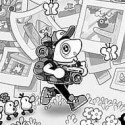
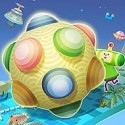
Every stage is loaded with badges that reward Charlie’s shenanigans, and each one works as a small puzzle. The birds, called feathered friends in the store description, are the audience Charlie is trying to impress, and they pay out in Mischievous Badges. Once the first badge pops, the structure becomes clear: this is closer to a collectathon than a linear adventure.
Beginners often assume chaos means tearing through a room at random, but the badges reward intent. Each one asks for a specific kind of mess, so the sensible approach is to look over a room, spot what can be tipped, dragged or stepped in, and then combine those actions. Completionists will get the most out of this loop, because scanning a room for its badge is half the fun.
Because badges are tied to puzzles, they double as a soft difficulty curve. Simple messes teach how Charlie interacts with objects, and badges that lean on several messes at once feel like natural advanced techniques. That progression is quiet rather than loud, which keeps the game friendly to younger players.
Toilet Paper Trails and Oily Paw Prints
The toy box is made of ordinary household objects. Grab a roll of toilet paper and Charlie leaves a trail of it wherever he runs, and step in oil and he tracks paw prints across surfaces, all the way up to the roof of his owner’s car. These small effects are the visual language of the game, and they make the aftermath as funny as the act itself.
A typical chain of mischief might run like this:
- Grab the roll of toilet paper.
- Run through the rooms to leave a paper trail behind you.
- Step in the oil.
- Print paw marks across the owner’s car.
Sandbox fans like that every mess leaves a visible trace, which turns each level into a record of what you did. The funniest beat tends to be looking back at a finished room and following the trail around the furniture. It is a small payoff, but it is the reason messing up a house feels better than it sounds.
How Doggy Don’t Care Handles Puzzles Built From Found Items
Puzzles in the game rely on items Charlie can find and use, so his toolkit grows as he explores. Instead of numbered levers or locks, you solve a badge by working out what an object can do, which suits the dog’s-eye logic. Puzzle fans who like experimenting more than following instructions will feel at home.
Reviewers have compared the game to Untitled Goose Game, and the comparison holds in spirit: a small animal, a domestic space and a list of naughty tasks. The difference is the collectathon layer, with outfits and dreams pulling the game toward exploration. A common question is whether it is a platformer, and the tags list 3D platformer alongside puzzle and exploration, so movement matters but combat never enters the picture.
Difficulty stays gentle. The puzzle side is about noticing rather than mastering, and players who want a brutal challenge will find little here. That is a sensible choice for something billed as fun for all ages, though hardcore puzzle fans may wish for tougher combinations.
Pawjama Outfits and Charlie’s Dreams
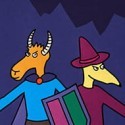
Outfits are the collectible layer. As Charlie explores, he finds pawjama outfits, including a giraffe, a unicorn and, heaven forbid, a cat. Character customization is listed among the tags, so dressing him up is a real part of the game rather than a throwaway feature.
Then there are the dreams. The store description invites players to wonder what goes on in a dog’s mind when its legs twitch during sleep, and the game answers by letting you explore Charlie’s dreams and uncover their hidden meanings. It adds a surreal counterpoint to the tidy household levels and gives the exploration a slightly stranger edge.
Dog owners will see themselves in these details, from the twitching legs to the barely guilty look after a disaster. Families will enjoy watching someone else choose which outfit Charlie wears next.
Who Will Love the Mess and Who Might Want More Structure
Sandbox loops depend on the player’s appetite for mischief. Some people will spend an hour turning one room upside down, while others will want a clearer path. The tags and store description lean toward exploration and making your own fun, so the game rewards self-starters more than players who want a scripted route from start to finish.
The humor is also a little divisive. The feature list openly advertises that you can pee everywhere, which some players will find hilarious and others will find crude. It is fair to know that before you start, especially if you plan to play alongside younger family members.
Anyone on the fence can take comfort in the fact that the store page lists a demo, so Charlie’s first rooms can be tested before committing to all four levels.
Doggy Don’t Care works because Charlie’s mischief is easy to read and hard to stop: one roll of toilet paper, one puddle of oil, and suddenly a whole level tells the story of what happened. If a sandbox of Mischievous Badges, pawjama outfits and feathered friends to impress sounds like your idea of a good afternoon, Charlie’s four levels are ready for a proper mess.
Comments
There are no reviews yet. Be the first one to write one.