















Dead Check














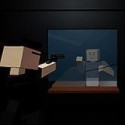
Dead Check Private Page is a made-up solo shooter that skips the grind and throws you straight into a tense situation. The setting is a Supermarket: weapons are available, shoppers and other NPCs roam around, and the law arrives sooner than anyone who played an earlier version would guess. The page is labeled Update 4.1, and each session ends with a tally of Kills, Injured, Shots Fired, and Deaths. What drives the game is not a scripted storyline but the constant need to manage your gun while the police presence grows.
| Category | Shooter for one player |
| Play style | Single-player |
| Version shown | Update 4.1 |
| Location | Supermarket |
| Tracked numbers | Kills, Injured, Shots Fired, Deaths |
Guns and Gunfights
Everything starts with a simple cycle. You grab a weapon, walk through the store, and adjust to where NPCs and officers end up. Guns are sorted into categories for faster picking, yet each one fires in its own way, so there is no single trigger habit that works everywhere. With Update 4.1 the M16 shoots faster, while the AR-15 now fires one round per press. Adjusted shooting delays and recoil change the handling further, which means that using the same technique on every rifle can leave your timing off.
Before rushing into a chaotic sequence, it makes sense to test how the gun you picked actually behaves. Two things are easy to mix up in the heat of the moment: how fast the recoil settles and how long the weapon waits between shots. Together they determine how soon a second shot is possible. The M16’s quicker rate is the obvious thing to look for, and with the AR-15 you get better results from separate, intentional presses than from keeping the button down. Think of each rifle as its own instrument rather than one routine for the entire arsenal.
If you enjoy trying things out, swap weapons from run to run and see what changes. If you want something lighter, simply concentrate on moving around and reacting quickly. After a session, the Stats UI is the place to look: put Shots Fired beside Kills and Deaths and you can tell whether a calmer or faster style made a difference. Chasing a record is optional, because the figures simply explain how a run went.
When the Police Show Up
Officers and SWAT units are a big reason the mood of a run keeps shifting. Update 4.1 polished how they act, repaired damage bugs tied to SWAT, and gave NPCs better running animations. Because of this, the way people move on screen tells you something real about the situation, and you can often sense the store slipping out of your control by watching them.
The Supermarket offers a clear number to remember. Police used to take 160 seconds to arrive; now it is 140, and fewer officers come. Anyone relying on memories of the old version will find less time than expected. When the clock nears 140 seconds, an earlier route or pace may no longer be safe, and it may be wise to change both your location and your gun.
Many runs follow a similar pattern: first you study how NPCs behave, then you notice the police closing in more quickly. Those who prefer to scout first can rely on how people move, whereas those who favor snap decisions should keep their weapon choice easy to reach. Doing both well is tough, mostly because several elements shift together and the game rarely gives you a quiet pause to examine one at a time.
What Update 4.1 Changed in Weapons
Since guns are grouped by type, switching takes less menu browsing. The patch notes also point to alterations for the Re-870, a repair for delayed pellets on the Saiga-12K, plus recoil and shooting-delay tweaks on a number of firearms. The SIG Sauer is gone entirely, so anyone returning should not count on finding the same set of weapons. Whenever a gun you know suddenly handles differently, start by checking this list.
New players often make the mistake of forming an opinion from one quick burst. Since recoil, fire rate, and single-shot input all influence how you aim and shoot, a short test in a quiet moment tells you more than many panicked tries. The M16 and AR-15 are a useful pair, as the update altered each one’s cadence differently. If a weapon seems erratic, look at how it is meant to fire and how fast it cycles before blaming the controls.
For tinkerers, repeated runs are a way to compare the M16, AR-15, and Re-870 side by side. For everyone else, sticking with a familiar category and watching the surroundings works just as well. There is also a way to surrender or quit a run, handy once you have seen what you wanted to test. Opinions in the comments are mixed: a few players want it to be switchable, and others say they prefer the former NPC faces.
Scope of the Game and Its Rough Edges
This game revolves around single encounters and end-of-run numbers, not a documented list of levels. According to the page, there is a Supermarket map, recent weapon tweaks, police and NPC behavior, and a choice to give up or end a run whenever you like. Nothing on the page confirms how many levels exist, when the game came out, or whether a larger progression system is planned, so treat those points as unknown. In practice, your aim in a session is to get through the encounter and choose the moment to continue or stop.
Because Kills, Injured, Shots Fired, and Deaths are recorded, a finished run says more than just success or failure. You can contrast a patient approach with a hasty one, or check if changing guns affected your shot count. Some things still feel unfinished: commenters question the new NPC faces and argue over whether giving up should be a setting. These reactions show a difference in tastes, not a consensus.
Players moving over from an older version should spend the first few minutes noticing the new weapon rhythm, the quicker police arrival in the Supermarket, and the changed look of characters. Beginners can use the same points to understand where the tension comes from, without imagining missions that the page never mentions. It is best to base your expectations on the systems that exist today and how they work together.
Quick Answers
What is the police arrival time in the Supermarket?
After Update 4.1, officers reach the Supermarket in 140 seconds instead of 160, and the number of responders was lowered too. This figure is a convenient anchor when you are learning the map or coming back after a break. Since police and SWAT behavior also improved, the response involves more than waiting for a timer.
How are the M16 and AR-15 different now?
The M16 fires faster after Update 4.1, and the AR-15 switched to semi-automatic. A number of semi-auto guns also received shooting-delay changes, and several weapons have smoother recoil. Practice each firearm separately instead of expecting identical behavior from all of them.
Is it possible to end a run early?
Yes, the present version allows you to surrender or finish a run at any point. That helps when you only want to try a weapon or watch how the police act, since there is no need to keep going afterward. Comments show that players disagree about this feature, and some ask for an on/off option.
In short, Dead Check Private Page is about how your handling of a weapon meets a response that keeps changing. The M16’s faster fire, the AR-15’s single-shot mode, and the 140-second police arrival in the Supermarket are the specifics worth learning. Afterward, the Stats UI shows Kills, Injured, Shots Fired, and Deaths so that every attempt can be examined. These mechanics describe the game as it stands now much better than any unconfirmed level count or progression promise.
Comments
There are no reviews yet. Be the first one to write one.