
















Papers, Please









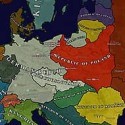






Papers, Please looks like a dull desk job simulator about stamping passports, but it plays like a tense moral puzzle where every stamp affects your family’s dinner. You work as an immigration inspector at the Grestin border checkpoint of Arstotzka, deciding who enters the country while rules change almost daily.
| Genre | Document-checking puzzle, narrative simulation |
| Core Mechanic | Inspect documents, find discrepancies and approve or deny entrants |
| Story Length | 31 in-game days |
| Endings | 20 different endings |
| Best For | Players who enjoy detail-oriented puzzles with moral choices |
A Day at the Grestin Checkpoint
Each day begins with a bulletin from the Ministry of Admission listing the current rules. Early on, the checks are simple: entrants need a valid passport and the right nationality. Over the following days, the rules pile up — entry permits, ID cards for citizens, work passes, vaccination certificates, diplomatic authorizations and more.
When an entrant steps up to the booth, you compare their documents against each other and against the rulebook. A mismatched name, an expired date, a wrong issuing city or an incorrect seal are all reasons to deny entry. When something looks off, you can enter inspect mode, highlight the two conflicting details and question the entrant directly.
You earn 5 credits for each entrant processed correctly. Mistakes earn citations: the first couple are warnings, but after that each one costs money. Since the shift lasts only a limited time, speed and accuracy fight against each other all day.
Feeding the Family in Papers, Please
At the end of every shift, a summary screen shows your income and expenses. Rent must be paid, and you choose whether to buy food and heat for your family — your wife, son, mother-in-law and uncle. Skip food or heat too often and family members get sick, then worse.
This is where the game becomes stressful. A slow day means choosing who goes hungry, and that pressure pushes many players to rush through documents and make mistakes, which costs even more money.
Bribes and side income complicate everything. Some entrants offer money, and accepting it can save a struggling family, but it also creates risks if anyone finds out. Every extra credit has a story attached to it.
Moral Choices at the Booth
The rules are only part of the picture. Entrants come with stories — a husband whose wife has incomplete papers, a person begging to escape danger, someone who seems suspicious despite perfect documents. Following the rules exactly can feel cruel, while bending them risks your income and your family.
The secret organization EZIC appears partway through the story and asks for help with its own goals. Working with EZIC, staying loyal to Arstotzka or trying to escape the country altogether all lead to very different endings.
Players who love clear rules may try to stay a perfect inspector, while story-driven players often bend the rules to help people. Neither path is presented as simply right.
Characters Players Remember
Jorji Costava is the community favorite. He shows up repeatedly with obviously fake or missing documents, cheerfully trying again each time, and his visits are some of the lightest moments in a heavy game.
Other recurring entrants tie into the story in quieter ways. Some return several days later with consequences from your earlier decisions, which makes the booth feel connected to a larger world beyond the checkpoint.
Many players say the moment that changed how they saw the game was the first time they denied someone with a sad story and later heard what happened to them.
How Papers, Please Ramps Up the Paperwork
By the time vaccination certificates, work passes and identity supplements are all required, a single entrant can carry five or six documents. Checking each one against the rulebook takes time, and the day timer does not slow down for anyone.
The game also adds security tools, such as the ability to scan entrants or request fingerprints, along with a shutter and a rifle locker for emergencies. Attacks on the checkpoint occasionally break the routine, adding sudden tension to an otherwise methodical day.
The honest criticism is that the later days can feel overwhelming. Some players love the challenge, while others feel the paperwork becomes more stressful than fun. Endless mode exists for those who want to practice speed checking without story pressure.
Questions About the Booth
- How many endings are there? There are 20 endings in total. They depend on your loyalty to Arstotzka, your involvement with EZIC, whether your family survives and how well you manage your money over the 31 days.
- What happens if I make too many mistakes? The first citations each day are only warnings, but further mistakes reduce your pay. Repeated losses make it harder to afford food and heat, which can lead to family members falling sick.
- Should I help EZIC? Helping EZIC opens specific story endings, while refusing keeps you on a different path. It depends on which ending you want — there is no single correct choice.
Every shift at the Grestin booth is a balance between the rulebook, your conscience and your family’s needs. Check every seal, keep an eye out for Jorji Costava and decide carefully how far your loyalty to Arstotzka goes, because those small choices shape every ending in Papers, Please.
Comments
There are no reviews yet. Be the first one to write one.
