















Guildrun








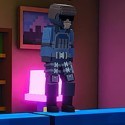



Relics in Guildrun cannot be sold, and that single rule quietly decides whether a run snowballs into a monster team or collapses at the first mid-boss. This single-player roguelike autobattler has you draft a guild of heroes, set their formation, and watch battles play out on their own while rifts keep spilling monsters into nearby cities. Every decision happens between fights, so the pressure comes from what you buy and how you adapt, not from how fast you click.
| Genre | Roguelike autobattler |
| Mode | Single-player PvE |
| Platform | PC |
| Core loop | Draft heroes, set formation, battles resolve automatically |
| Progression | Ranks, specializations, relics, and items |
| Demo content | 25 heroes, 180 specializations, 8 difficulties, Endless Mode |
How a Guildrun Run Flows From Shop to Auction
Each run starts with picking a hero, and from there the run plays out along a timeline of events. A good chunk of those events are shops, where you spend Shards on heroes, items, and relics, or reroll when you are hunting for something specific. The loop borrows from Slay the Spire and Teamfight Tactics, and between fights you also answer trial events that can push you toward a different plan than the one you walked in with.
Once combat starts, your heroes fight on their own. That puts all the weight on formation and gear, so the real game is decided before a single hit lands.
At the end of each act an auction opens that works like a supercharged shop, with stronger heroes, better items, and exclusive relics, including ones that expand the size of your team. The demo currently covers two acts, and after you clear them Endless Mode takes over, running until you die and feeding your result into a leaderboard. That is where players who love squeezing every breakpoint out of a team tend to spend their evenings.
Ranks, Classes and Specializations in Guildrun
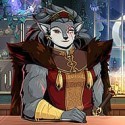
The demo roster holds 25 heroes, and they unlock progressively as you clear content, so early runs shape which options show up later. Heroes start with recognizable class roles such as Vanguard or Tank, but they do not stay there. Rowan, for example, is a native Vanguard and Tank, which means he counts for relics aimed at both classes in a single roster slot.
Ranks run from C up to S. An A rank hero drafts a first class modifier from the classes active on your board, and an S rank hero can take a second modifier along with an extra item slot at the demo’s maximum. With 180 specializations on offer, the question at every rank-up is whether the new modifier will trigger often enough to matter.
Items have to follow the job a hero is doing now, not the job printed on their card. A Tank that turns into a damage carry applying debuffs on attack becomes your main threat once you load it with attack items, and mismatched items after a conversion are a common reason for a wipe. Spotting a hero already sitting at A rank in the shop and rebuilding around them on the spot is one of the best feelings the loop offers.
Relics and Items: Why Guildrun Rewards Commitment
More than 300 relics and over 100 items shape every run, and this is where the game leans closest to Teamfight Tactics. Items transform how a hero performs the moment you equip them, while relics empower the whole team or buff specific classes. There are no trait counters like in that genre; class-targeted relics and items are the synergy system.
Two relics show how far the commitment goes. The Perfect Unity Prism rewards a team where every fielded hero shares a class, and the Perfect Divergence Prism rewards a team where no class repeats. Because balance numbers shift with patches, check current values before planning a run around either one.
Relics cannot be sold, so the roster has to bend toward them, not the other way around. Quest relics need a realistic route to completion, and finding a legendary item built around burn quickly has you folding in heroes that burn too, just to feed it. Players who like tinkering with engines enjoy this most, since the best runs feel designed in hindsight.
Where Guildrun Runs Collapse and What Players Argue About
Weak frontline. Many early losses come from a fragile front row. A dependable Tank or Vanguard keeps your carry alive long enough for attack speed and mana to matter.
Untriggered relics. Taking an early relic your team cannot trigger wastes a shop visit. Count how often your current formation creates the trigger in an ordinary fight before you buy.
Greedy delays. Economy and scaling relics raise your ceiling only if the team survives the wait. Grabbing delayed relics before the board is stable is a classic way to lose heroes on the road to a power spike.
Beyond individual mistakes, players debate how fast the demo changes. Weekly patches mean tier lists age quickly, and the pool of 25 heroes feels small to some and focused to others. Eight difficulty levels, the Red Rift pressure, and Endless Mode give max-minded players plenty to chase, but anyone hoping for a fixed meta will be disappointed.
Common Questions About Guildrun
How many heroes can you field at once in Guildrun?
The board grows from three to five active heroes as you pick up team-size expansions, and a sixth hero can sit in reserve to trigger Backup effects. Growing the board only makes sense when the new slot has a clear job, such as a second carry or a support.
Is Guildrun single-player or PvP?
It is single-player PvE, so there is no PvP meta forcing one board. The pressure comes from rifts, difficulty modifiers, and your own greed, and Endless Mode feeds your result into a leaderboard.
What should you buy first in Guildrun?
Field a dependable frontline, then give your main carry reliable damage items. Avoid early relics your team cannot trigger, and treat every shop as a chance to pivot toward a stronger class combination that appears repeatedly.
Guildrun hands you a Rowan, a handful of Shards, and a pile of relics you can never sell, then asks whether you can turn that mess into a team that survives Endless Mode. The runs that work are the ones where the roster, the items, and the Red Rift pressure all point in the same direction.
Comments
There are no reviews yet. Be the first one to write one.