
















Superhero Analog Horror
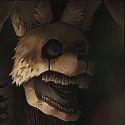

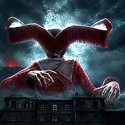




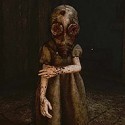
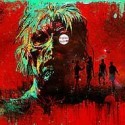

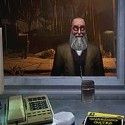
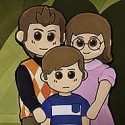
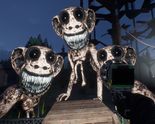

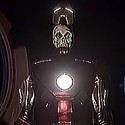
Superhero Analog Horror takes the familiar idea of extraordinary people protecting the world and turns it into something deeply unsettling. Instead of focusing on spectacular battles, heroic speeches, and victories over supervillains, the story explores what happens when the people society trusts with incredible powers begin to change in frightening ways. The result combines superhero fiction with analog horror, a style built around distorted recordings, unsettling images, mysterious events, and the feeling that important information is being deliberately hidden. The central appeal of Superhero Analog Horror lies in the contrast between the reassuring image of a hero and the disturbing possibility that something dangerous is hiding behind that familiar appearance.
| Genre | Analog horror, superhero horror, mystery |
| Main focus | Disturbing transformations and the corruption of familiar heroic imagery |
| Presentation | Story-driven horror with an emphasis on atmosphere and visual clues |
| Key appeal | Suspense, unsettling revelations, and the contrast between heroes and monsters |
The Unsettling Premise Behind Superhero Analog Horror
Superhero stories normally establish a clear distinction between protectors and threats. A recognizable costume, a confident pose, or an appearance during a crisis usually signals that help has arrived. Analog horror challenges that expectation by making familiar symbols of safety feel suspicious. A character who once represented hope can become the source of fear, and a seemingly ordinary appearance may conceal a disturbing change. This reversal creates tension without requiring constant action, because the audience already understands what these figures are supposed to represent.
The idea of superheroes transforming into something unfamiliar is particularly effective because it changes the meaning of their powers. Strength, speed, unusual abilities, and extraordinary durability are normally advantages that allow heroes to save people. Under a horror perspective, those same qualities can become frightening when a character no longer behaves as expected. The audience is left wondering whether the transformation affects the hero’s body, personality, intentions, or all three. Superhero Analog Horror builds its central tension around this uncertainty rather than relying exclusively on conventional fights.
Another important element is the gradual loss of trust. A direct confrontation with a monster gives viewers an obvious danger to recognize, but an apparently normal hero creates a more complicated situation. People might continue believing that everything is under control even when the evidence suggests otherwise. This kind of dramatic irony works especially well for viewers who enjoy piecing together a story from incomplete information instead of receiving immediate explanations.
How Analog Horror Changes the Superhero Formula
Analog horror often imitates older television broadcasts, archival footage, public information recordings, and damaged videotapes. These visual conventions make fictional events resemble fragments of a larger incident that someone has recovered or accidentally discovered. Imperfect picture quality, abrupt cuts, strange pauses, and distorted sound can make an otherwise familiar scene feel wrong. In Superhero Analog Horror, this presentation suits the subject because the gap between a polished heroic image and disturbing evidence becomes part of the storytelling.
The format also changes how suspense develops. Traditional superhero entertainment frequently explains a character’s abilities and motivations before the main conflict reaches its peak. Horror can reverse that order by showing the consequences first and withholding the cause. A strange image or an unexplained change may become more important after additional clues appear. Viewers who enjoy mystery-based stories can pay attention to repeated visual details, unusual behavior, and inconsistencies between what a recording appears to show and what its content implies.
There is a trade-off, however. Analog horror can feel slow to viewers who prefer continuous action, detailed explanations, or clearly defined confrontations. Distorted imagery may obscure important details rather than immediately reveal them, and some mysteries can remain open to interpretation. That ambiguity is part of the style, but it can also frustrate people who want every event explained. The most effective approach is to treat suspicious details as clues while remaining open to the possibility that not every visual effect carries a hidden meaning.
Recognizing the Signs of a Superhero Transformation
Transformation horror is often more disturbing when the change happens gradually. A character may initially look familiar, with only a small inconsistency suggesting that something is wrong. Later appearances can make the difference harder to ignore, changing the audience’s understanding of earlier scenes. This progression encourages close attention because the unsettling moment may not be a sudden reveal. Instead, the horror can come from recognizing that a detail that once seemed harmless was actually a warning.
When following the story, viewers can look for several kinds of clues:
- Visual inconsistencies: Changes in a familiar silhouette, facial expression, posture, or movement can suggest that a character is no longer what they appear to be.
- Distorted presentation: Static, interrupted footage, abrupt transitions, and unusual framing can make important events difficult to interpret.
- Behavioral changes: A character acting against the protective role associated with superheroes can create tension even before the reason becomes clear.
- Conflicting information: When images and accompanying explanations do not seem to agree, the contradiction may encourage viewers to question what they have been told.
These clues are useful ways to approach analog horror, not confirmation that every listed effect appears in a particular scene. The important skill is noticing patterns without inventing explanations too early. Players and viewers who enjoy investigative mysteries may find this process especially satisfying, while those who prefer straightforward storytelling may find the uncertainty less appealing.
What Makes Superhero Analog Horror Worth Exploring?
The strongest idea behind this horror concept is its use of familiarity against the audience. Superheroes are recognizable cultural figures, and their usual stories teach audiences what to expect from them. When horror disrupts those expectations, even a simple image can acquire a disturbing meaning. A familiar figure appearing in the wrong context may be more effective than an entirely unknown monster because the audience brings its own expectations to the scene.
The concept also offers a different perspective on power and responsibility. Extraordinary abilities are not automatically reassuring if the person using them becomes unpredictable. The central question shifts from whether a hero can defeat a powerful opponent to whether anyone can recognize the danger when the hero is the source of it. This change creates room for suspense, body horror, psychological tension, and stories about the collapse of public trust.
Superhero Analog Horror is best suited to an audience that enjoys unsettling imagery, gradual revelations, and stories that leave room for interpretation. It may be less appealing to viewers looking for lighthearted superhero adventures or a clearly explained action-driven plot. Its distinctive appeal comes from turning familiar heroic imagery into a source of uncertainty and asking the audience to reconsider what makes a supposed protector trustworthy.
Frequently Asked Questions About Superhero Analog Horror
What is Superhero Analog Horror about?
Superhero Analog Horror explores a disturbing version of superhero fiction in which familiar heroic figures become associated with frightening transformations and unsettling events. The central idea is that characters normally seen as protectors may no longer be safe or recognizable. The horror comes from the contrast between their heroic image and the possibility that something has fundamentally changed.
Why does analog horror work well with superheroes?
Analog horror uses distorted recordings, incomplete information, and unsettling presentation to create uncertainty. These techniques work well with superheroes because audiences already have expectations about how powerful protectors should behave. When the footage suggests that those expectations can no longer be trusted, familiar characters become sources of suspense rather than reassurance.
Is Superhero Analog Horror a traditional action game?
The available description supports understanding the concept as superhero-themed analog horror, but it does not establish specific playable mechanics, controls, levels, or win conditions. It is therefore best approached as a horror-focused narrative subject unless the particular version being presented provides additional gameplay information. Readers looking for combat systems or progression mechanics should verify those details rather than assume they are included.
Superhero Analog Horror turns the reassuring image of a superhero into a question that becomes harder to answer as disturbing changes emerge. Its central theme is the transformation of familiar protectors into figures that inspire uncertainty, with analog-style presentation helping make every unexplained detail feel significant. For horror fans interested in corrupted heroic imagery, gradual transformations, and the uneasy possibility that extraordinary power can conceal something terrible, Superhero Analog Horror offers a compelling premise built around one unsettling question: what happens when the people everyone trusts are no longer the heroes they remember?
Comments
There are no reviews yet. Be the first one to write one.
