















Photomaly
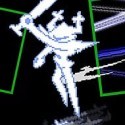














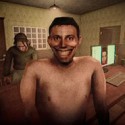
Photomaly begins with a photography studio that looks like a practical workplace, then gradually turns the daily photo routine into an investigation of anomalies. The game asks you to photograph customers, process images, manage supplies, and inspect security feeds while paranormal events become harder to separate from ordinary studio work.
| Genre | First-person horror, management, investigation |
| Platform | Windows |
| Story structure | 5 core work days plus a Day 6 finale |
| Core mechanic | Run the photo studio while detecting, documenting, and reporting anomalies |
Photomaly Studio Routine
Photomaly starts by teaching the practical side of the studio. You restore the workspace, handle customer photography, process pictures, print documents, and manage the supplies needed for ordinary orders. That routine matters because the horror later depends on knowing what a normal work shift looks like.
Day 1 contains seven customer orders in the documented route, giving the opening shift a clear workload. The game can therefore feel like a small management simulation before the paranormal systems take over. Players who enjoy shop-management loops often settle into the routine quickly.
The important community term is anomaly report. Once reporting becomes part of the workday, the player’s attention changes from serving customers efficiently to checking whether something on a camera feed or photograph should be documented.
Photomaly and the Darkroom
Day 2 introduces the darkroom and film development, adding another layer to the photography workflow. Chemicals such as Developer, Stop, and Fix turn the act of producing an image into a sequence that must be performed correctly rather than a single button press.
Beginners can rush through the ordinary photo jobs and miss how useful the studio routine is for learning the environment. A better approach is to understand where each station is before the anomaly systems become demanding. Familiarity with the workspace reduces panic when the game starts interrupting normal work.
One of the more divisive elements is the shift between management tasks and psychological horror. Some players enjoy the contrast because mundane work makes the paranormal interruptions stronger, while others may find the simulation layer slows the horror down.
Security Cameras and the Backrooms
By Day 3, the security-camera system becomes central and the documented route shows a 0/3 anomaly target. Days 4 and 5 introduce 0/4 targets at the beginning of the recorded shifts. The important distinction is that not every visual change is an anomaly, so reporting requires judgment rather than random clicking.
The Backrooms sequence changes the rhythm again by turning the camera and observation mechanics into direct exploration. A player who has learned to treat the studio as a safe work area suddenly has to deal with a more immediate spatial threat.
Advanced players should finish ordinary orders before spending too much attention on optional checking, then inspect the security system at useful moments. That keeps the management loop under control while still giving enough time to investigate suspicious footage.
Photomaly and the Six-Day Route
The recorded story structure runs through six days, with five main work shifts followed by a narrative finale. A standard route is reported at roughly 1.5 to 2 hours, while a completion-focused run can take longer. The short length makes repeated attempts practical when players want to compare outcomes.
One specific detail that stands out during play is how ordinary customer work can continue while the player knows something is wrong elsewhere in the building. That split attention creates a different kind of pressure from conventional chase horror.
Photomaly is particularly suited to players who enjoy observation games, management mechanics, or slow-burn horror. Players who prefer immediate combat may find the early studio work deliberate, but the gradual escalation is essential to how the photo and anomaly systems connect.
How many days are in Photomaly?
The story route uses five main operational work days followed by a Day 6 narrative finale. Day 1 teaches studio work, Day 2 adds darkroom processing, and later days focus increasingly on security cameras and anomaly reporting.
How do you report anomalies in Photomaly?
Use the security-camera system to identify a genuine anomaly, photograph the relevant evidence when required, transfer the image to the PC, and use the Report action. The documented route shows a 0/3 target on Day 3 and 0/4 targets on Days 4 and 5.
What happens in the Photomaly Backrooms section?
The Backrooms sequence shifts the game from studio management into direct first-person exploration. The camera and observation logic remain important, but the player now has to navigate a more immediate space instead of simply processing customer orders.
Photomaly works because the photography studio never stops feeling like a workplace even after anomalies become the main concern. Developer, Stop, Fix, the security cameras, and the Backrooms sequence all turn ordinary photo processing into a steadily more unsettling investigation.
Comments
There are no reviews yet. Be the first one to write one.