















Gridlords
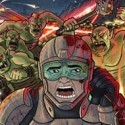











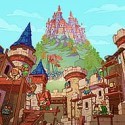
You drop a new building into your castle, and the units it unlocks change what your army can do before a single blade swings. That is how Gridlords works from the first minute. You spend your time shaping a fortress, and then the fortress fights for you while you watch. The hook is outsmarting a stranger you never meet, using nothing but preparation.
| Genre | Strategy autobattler with castle building |
| Setting | Fantasy pixel-art world |
| Battle format | Asynchronous PvP against other players’ castles |
| Core choices | Race, hero, buildings, unit synergies |
| Playable races right now | One |
| Round structure | Build phase, then an automatic fight |
Building a Castle That Wins Before the Fight in Gridlords
Your castle is the real opponent in every match. You place buildings, unlock stronger units and upgrade the fortress, and each building decides which units you can field. Layout and roster are the same decision, which makes the build phase feel closer to solving a puzzle than to shopping for units. Players who also love inventory-style management will feel at home, because space and unit choices constantly compete for your attention.
Early in a run you have little room and few options, so your first buildings set your identity. A castle that leans on tough front-line units plays nothing like one stacked with damage dealers, and rivals can tell the difference within seconds of the fight starting. The goal is to push your castle’s strengths as far as they go while covering the weaknesses a rival will probe.
Nobody is there to correct you mid-battle. Whatever you built is what fights.
Picking a Race and Hero Whose Philosophy Matches Your Plan
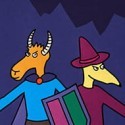
Before you build anything, you choose a race and a hero. The hero is more than a stat bonus. Each one comes with unique abilities and a personal philosophy that shapes how your army fights and survives. Some push toward relentless aggression, and others reward standing firm behind solid defenses, so the choice ends up steering every building decision after it.
Aggressive players who like winning fast will gravitate toward heroes that reward early pressure. Patient planners will prefer the defensive philosophies, where a well-built castle grinds rivals down. Neither approach is a trap, but each one punishes a castle that ignores its own hero.
The honest limit today is variety. Only one race is fully playable at the moment, so the choice is narrower than the pitch suggests. More races, a broader hero roster and additional building types are planned for the full release, and the current build reads as a solid foundation rather than a finished roster.
Asynchronous Battles: Fighting Rivals Who Are Not There
Battles in Gridlords are asynchronous, so you never face another player in real time. You send your castle against someone else’s, deploy your forces, and the autobattler system decides the winner. Skillful planning is the only lever you hold, and that is what the game promises.
That setup creates a distinct kind of tension. When a rival’s army marches into a layout you built days ago, you feel like your own homework is being graded. You cannot step in to save a bad matchup, so a loss teaches you something specific about your build.
Right now matchmaking with real players focuses on casual games, while a ranked ladder is planned for later. If you want to climb a ladder and chase a number, you are early. If you want to experiment and learn how synergies behave against real castles, the timing suits you fine.
Mistakes That Cost New Castle Lords Their First Matches
Most early losses come from the same few habits. Players treat the build phase like a checklist instead of a plan, and the autobattler punishes any castle with no clear idea behind it.
- Spreading buildings across every unit type instead of committing to a core group that supports each other
- Choosing a hero by ability name alone and ignoring the philosophy that defines how that hero’s army wants to fight
- Leaving an obvious weakness uncovered because the castle looked strong on paper
- Copying one winning castle without understanding why its units work together
Fixing these takes patience more than skill. After a loss, look at what your castle lacked when the fight started, not at how the other army played.
Synergies Most Players Miss in Gridlords
Deep synergies are the heart of the strategy. Combining unit types and abilities is what turns an ordinary army into a dangerous one, and autobattler veterans will recognize the habit of building a comp around one strong interaction. The trick in Gridlords is that your buildings, your hero and your units all feed that interaction at once.
The advanced move most players miss is building around the hero’s philosophy first and patching the gaps second. A defensive hero, for example, wants buildings that keep units alive, and a rival who ignores that identity ends up fighting a wall they cannot crack.
Change one thing between fights and watch what shifts. Small adjustments to a castle reveal more than rebuilding it from scratch ever will.
What Players Debate: Content Depth and Matchmaking Pools
Reception is mostly positive, but the conversation has a clear shape. Fans praise the nostalgic pixel art and the clean castle-building loop. The frustration centers on content, since one playable race means the meta can settle faster than players want.
Matchmaking is the other talking point. Asynchronous PvP depends on having enough real castles to fight, and a smaller pool of players can produce lopsided matches. The developers have said they plan to tune the meta and matchmaking with real players.
Price is a quieter worry. The developers expect it to rise as content grows, so the question many players ask is whether the current build justifies jumping in early. If you enjoy autobattlers and do not mind a thin roster, the answer leans yes.
Quick Answers Before Your First Match
How does asynchronous PvP work in Gridlords?
You build your castle, and other players’ armies fight it when you are not there. Your own army fights rival castles in the same way, with the autobattler system deciding the result. You learn from the replay of what your hero, units and buildings did.
Does the hero you choose really change how battles play out?
Yes. Each hero has unique abilities and a personal philosophy, which pushes your army toward aggression or toward defense. A castle that does not support that philosophy usually underperforms, even if its units look strong individually.
How many races can you play right now?
One race is fully playable in the current build. More races, additional heroes, a ranked ladder and extra building types are planned for the full release, so expect the roster to grow.
Gridlords rewards players who enjoy planning more than reflexes. Your hero, your philosophy and the layout of your castle decide almost everything, and a single weak building can sink a promising ranked match. If a few smart choices in the build phase sound more appealing than quick reactions, this is a good place to start.
Comments
There are no reviews yet. Be the first one to write one.