















Heroes of the Seven Islands

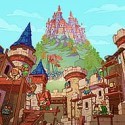







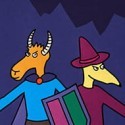
You fill the fourth party slot with a Minstrel instead of a Thief, and a few hours later you are paying gold coins for lockpicking training just to open one stubborn chest. That is the first lesson of Heroes of the Seven Islands: every class choice echoes across the Emerald Archipelago. The adventure is hand-drawn, point-and-click and turn-based, and it hides real planning behind a friendly fairy-tale surface.
| Genre | Party-based RPG |
| Exploration | Point-and-click |
| Combat | Turn-based |
| Party | Four heroes |
| Setting | The Emerald Archipelago in Émeyralia |
| Length | Roughly 5 to 10 hours on a first playthrough |
Building a Party of Four in Heroes of the Seven Islands
Everything begins at the party screen, where you pick four heroes from classes such as Knight, Barbarian, Monk, Sorcerer, Thief, Assassin, Minstrel, Battle Mage and Druid. Players call this step party comp, and it matters more than the cheerful artwork suggests. A working group needs someone to soak up hits, someone to heal and at least one reliable source of heavy damage, while the last slot decides how smooth exploration feels. Community write-ups usually describe the roles like this:
- Knight: the sturdy front-liner whose Guardian skill is meant to protect the rest of the party.
- Barbarian: a heavy hitter that can boost its damage with Berserk.
- Monk: blessings and healing that keep everyone standing round after round.
- Sorcerer: strong spells and, later on, the Levitation spell.
- Thief: lockpicking and utility for chests and doors.
- Minstrel: songs and support that work better than most players expect.
Skills are tied to stats, so planning ahead pays off. Veterans put level-up points only into the stats that feed the skills they actually want, because a hero spread across everything ends up mediocre at all of it. Min-maxers will enjoy this part, while players who just want to wander the islands can pick four favorites and still make progress.
Do not write off the Minstrel. Reviewers have called the class viable, and its support makes long fights less punishing.
Furax, the Oracle and the Seven Keys
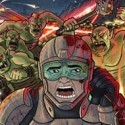
The trouble arrives in the form of Furax the Indestructible, a fleshless carcass and soulless body who steps through an inter-dimensional rift into Émeyralia to spread sadness and despair. His influence grows daily, disciples gather around him, and Nightmare Creatures start appearing on every continent. The setup sounds grim, yet it is told through a world of talking animals and bright comic-book colors.
Only the Oracle can stop Furax, and the Oracle retired centuries ago. To find him, your four heroes must collect seven keys held by the seven rulers of the seven islands. That gives the main quest a clean shape of island, ruler, key and next island, with plenty of room to wander off the path.
Side quests carry much of the charm, such as one errand that has you bringing a Crown to a Queen. Story-focused players will enjoy how the quests mix silly NPCs with small bits of lore, and the Dungeon Synth soundtrack, 36 tracks in total, gives the whole game a moody texture that contrasts nicely with the cartoon art.
Turn Order, Hand-Placed Fights and the Early Grind
Combat is turn-based but quick, and the game shows the turn order before a battle begins, so you can plan around who acts first. Fights inside locations are placed by hand rather than rolled at random, which means every dungeon room feels deliberate. You can also retreat from a battle, and foes you already defeated stay defeated when you return.
The opening hours are where players push back most. Early in the game you have few spells and a thin skill list, so the first fights repeat the same basic attacks until your party levels up or you collect enough gold coins to train. Some reviewers also wish the menus explained more clearly what each class can learn and which stat limits apply.
Patience changes this quickly. Once your heroes pick up stronger skills, the same fights speed up and you start choosing between a safe round and a risky one. Cautious players can lean on retreating and revisiting, while impatient ones may find the first island slow.
Skill Tiers and Class Balance in Heroes of the Seven Islands
Skills grow through three tiers: Basic, Expert and Master. Many classes can reach Master in any given skill, which keeps progression forgiving compared with the older Might and Magic RPGs that inspired the game. The trade-off is that some reviewers feel the classes start to resemble each other, leaving special abilities as the main difference.
Balance is the topic players argue about most. Barbarian and Sorcerer are often named as the heavy hitters, the Knight is praised for making the party tougher, and the Monk keeps health topped up every round. Assassin gets the opposite reaction, with several players calling it underwhelming next to Thief.
Not everyone agrees on the Knight, though. Some testers felt Guardian barely changes how often weaker heroes get hit, and spending a whole turn on Berserk instead of attacking can backfire in a fight against five foes. Many fans treat uneven class strength as a built-in difficulty slider: pick the strongest party and steamroll, or pick favorites and earn every win.
Levitation, Lockpicking and Revisiting Islands
Exploration rewards memory. Pickups such as carrots and gold sitting in the artwork are clickable, chests stay shut until someone has the right skill, and some places can only be reached once your Sorcerer learns Levitation. Players routinely return to old islands after learning a new skill to open what they could not before.
Spending gold at trainers drives this loop. Skills like Levitation and lockpicking cost coin, and the Tavern is where heroes train to a new level, so deciding what to buy first shapes the order in which you clear the map.
Achievement hunters get the most out of this system. There are 18 achievements, including The Last Giant, The Last Pharaoh, Dragon Slayer and Picnic, and Picnic comes from a random encounter you trigger by hopping between locations. Keep your Sorcerer trained, since guides call Levitation required for certain achievements.
Questions Players Ask Before Starting
What is the best starting party in Heroes of the Seven Islands?
A Knight, Monk, Sorcerer and either a Barbarian or a Thief is the setup most reviewers describe as dependable. The Knight and Monk keep the group alive, the Sorcerer supplies spells and the Levitation you need later, and the fourth slot decides whether you want raw damage or lockpicking.
How long does the adventure last?
The store description estimates roughly 5 to 10 hours on a first playthrough, and the real number depends on how many side quests and island revisits you take on. Chasing all 18 achievements, including Dragon Slayer and Picnic, pushes the total higher.
Do you need a Sorcerer in your party?
Players who want to reach every high ledge and every achievement need a Sorcerer trained in Levitation, since guides call the spell required for some of them. A Thief’s lockpicking opens chests but does not solve unreachable spots, so skipping the Sorcerer means leaving some places untouched.
Heroes of the Seven Islands works best when you treat your party as a long-term plan: the Minstrel you test, the Sorcerer you train for Levitation and the hunt for the Oracle all connect. It will not surprise genre veterans with deep systems, but the hand-drawn charm and the freedom to return to earlier islands make each hour feel earned.
Comments
There are no reviews yet. Be the first one to write one.