















Unseasonable Flowering











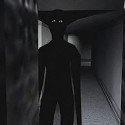




In Unseasonable Flowering you start as Mashiro, a girl who has just moved with her family into an old mansion in the countryside, and her parents are delighted while she is not. That mismatch matters, because the house is full of footsteps that nobody else seems to hear. This is a first-person psychological horror game built around stealth, and you have no way to fight back.
| Genre | First-person psychological horror |
| Protagonist | Mashiro |
| Setting | An old mansion in the Japanese countryside |
| Combat | None, stealth only |
| Voice acting | Japanese, with English subtitles |
Mashiro’s Move Into the Mansion in Unseasonable Flowering
The opening hours are quiet on purpose. Mashiro’s family has traded city noise for a peaceful life surrounded by nature, and her parents are excited about the fresh start. Mashiro, however, feels an indescribable wrongness about the house, and she keeps asking herself whether someone else is living there. The question is never answered in a comforting way.
Mysterious phenomena begin in a home that should be empty. Countless footsteps echo from the second floor, familiar rooms feel subtly different, and daily life starts to glitch in small ways long before anything dramatic happens. This slow build is what players mean when they call the game a slow burn.
Early in the game you spend most of your time exploring, reading the house and learning which rooms feel safe. By the time the first real danger appears, you know the layout well enough to dread it. Players who enjoy the patient rhythm of a walking simulator will feel at home, while those who want constant action may find the start restrained.
Realistic Japanese Rooms as a Source of Dread
The strongest design choice is the setting. The mansion is a realistic Japanese home with narrow hallways, wooden interiors and ordinary family spaces, and the horror comes from watching those mundane places stop behaving normally. A corridor you crossed a minute ago can feel different the next time you walk through it.
Atmosphere does the work that jump scares do in other horror games. Visual effects and sound build a constant feeling of being watched, and the silence between footsteps is often scarier than the moment a monster shows up. Reviewers describe the scares as decent rather than relentless, which fits the intimate, claustrophobic tone.
Controls stay deliberately simple: move with WASD or the left stick, look with the mouse or right stick, and interact with a single click or button press. There is nothing to master, so your attention stays on the house. Controller players are supported as well, and the menu is one button away.
Hiding, Listening and Moving Silently
Because Mashiro cannot fight, every encounter becomes a question of how well you can disappear. The loop is easy to learn and hard to stay calm through, and it comes down to three habits.
Hide. Slip into the shadows and stay out of sight when a monster enters the room. Waiting calmly is usually safer than running.
Listen. Footsteps and other sounds tell you where something is before you see it, so headphones help a lot.
Move quietly. Slow, deliberate movement keeps you from drawing attention, and rushing is a common reason players get caught.
Stealth fans who enjoyed Outlast will recognize the vulnerable feeling, though the pacing here is calmer and the mansion matters more than any chase. Cautious players do best, while those who sprint through rooms are often punished.
The Artwork That Turns on You
Reviewers keep returning to one idea: artwork connected to Mashiro comes to life inside the house and becomes a danger. One player said they never expected their own artwork to become their worst enemy, and that goofy, unexpected moment stuck with them. It is a good example of how the game turns personal details into fear.
The moment works because it ties the family’s quiet new life to something frightening. A drawing is supposed to be harmless, and watching one change the rules of the house makes even calm scenes feel risky. Other players point to the monster designs as another highlight.
How much you enjoy this part depends on your tolerance for surreal logic. Some players love that the game never explains how a picture can hurt you, while others want clearer rules about what each monster can do and how to avoid it.
Footsteps, Residents and the Slow Erosion of Daily Life
The store description promises eerie residents, and they are part of the house’s wrongness. You meet them while ordinary routines continue around you, which makes dinner-table scenes and quiet corridors feel loaded. The unease comes from how normal everything looks until you look closely.
The visual motif of something sprouting everywhere carries the meaning of the name. Signs of growth appear where they should not, and they quietly erode normal life room by room. Reviewers describe the story as very sad overall, and that sadness gives the horror a purpose beyond scaring you.
The game does contain blood and a stabbing with a knife, as the content notes state. Fans of Japanese horror will also appreciate the Japanese voice acting, which reviewers often single out as a strong point, and the English subtitles are well made.
Vague Story and Rough Edges in Unseasonable Flowering
The story is the most debated part. By the time the credits roll, many players are still guessing, and one popular theory describes the sickness in the house as a kind of spiritual rabies that people do not realize they have. Fans enjoy that ambiguity and suspect it is deliberate, while others wish the plot said more about who the residents really are.
Honest criticism focuses on the monster sections, which some players find clunky compared with the quiet exploration. A few also report map glitches, though reviewers say they do not stop you from finishing. These flaws keep the game from feeling polished, but they rarely break the mood.
Overall reception on Steam is Very Positive, with roughly 85 percent of reviews recommending it. A typical verdict is that it is a good little horror story that leaves you confused but interested.
The Secret Ending and Who Should Play
A secret ending gives completionists a reason to go through the mansion again, and players have already posted full walkthroughs that show it. Replaying is worthwhile because you notice details in the rooms that you missed the first time.
The game suits stealth fans, lovers of Japanese domestic horror and anyone who wants a short story-driven session instead of a long survival campaign. A demo is available, so you can test the atmosphere before committing, and players who liked the demo have been consistently positive about it.
It will not satisfy players who want combat or a fully explained plot. If you accept that trade, the mansion offers a memorable evening of hiding, listening and guessing.
Unseasonable Flowering is strongest when Mashiro hides in a dark room, the footsteps on the second floor stop and something starts to sprout where it should not. It is imperfect and vague, but the mansion, the artwork that fights back and the secret ending make it an easy recommendation for fans of quiet stealth horror.
Comments
There are no reviews yet. Be the first one to write one.