















Auto Ball Arena
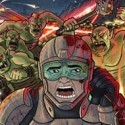
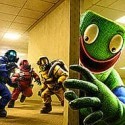
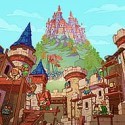

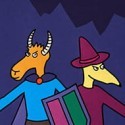
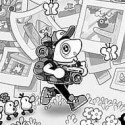



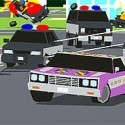
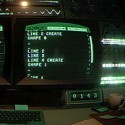





Auto Ball Arena looks like a toy box of bouncing circles but plays like a puzzle about loadouts, where every weapon and charm decides who survives the next collision. You pick a warrior, equip it, and then let go of the controls. The battles run by themselves, driven entirely by physics, so the real decisions happen in the shop between fights. That is exactly why a whole run can turn on one well-placed charm.
| Genre | Physics auto battler, strategy, roguelite |
| Mode | Single-player runs plus asynchronous battles against other players |
| Core loop | Choose a warrior, equip weapons, buy charms, battle |
| Goal | Get 10 wins in the gauntlet |
| Style | Colorful 2D, family friendly |
Choosing a Warrior From the Roster in Auto Ball Arena
Every run starts at the roster, where you pick the warrior that will carry your weapons into battle. The store describes the whole thing as a strategy and physics-y auto battler, and the choice matters because you cannot steer the fight once it begins. Your warrior is the foundation, and everything you buy afterwards either supports it or fights against it.
First-timers often pick a warrior on looks alone.
A smarter approach is to treat the pick as a plan for what you hope to find in the shop. Genre veterans think about synergy from the very first purchase, while casual players can lean into the colorful, relaxed look that tags like Relaxing and Family Friendly describe. Both approaches work, but the planners tend to reach the later fights with a more coherent loadout.
Weapons, Charms and the Hunt for Synergy
You equip your warrior with weapons, then buy charms that give those weapons extra abilities. The community word for the payoff is synergy, and the store page openly invites you to find combos and adjust your loadout between battles. A charm is never good or bad on its own; it is only as strong as the weapon it modifies.
Players new to auto battlers usually grab whatever looks powerful in isolation and then wonder why the pieces do not work together. A reliable shop routine looks like this:
- Watch what your current weapon does on its own when your warrior spins and collides.
- Look for a charm that adds an ability complementing that behavior.
- Buy it, then re-check the whole loadout before the next battle, since the shop is the only time you can adjust.
Roguelite fans will recognise the draft-and-adapt rhythm, where no two runs hand you the same pieces and the clever part is bending whatever arrives into something coherent.
Reading Physics Battles in Auto Ball Arena
Battles are on autopilot and fully simulated with physics, so your warrior spins, bounces and slices without any input from you. That is the central trade of the game: you give up direct control and gain a fight that looks different every time bodies collide. The store calls the result chaotic, and that chaos is part of the appeal.
The hands-off design is divisive. Players who want to steer every move may find it passive, while those who enjoy watching a plan play out will treat each fight as a small experiment. Strategy fans tend to land in the second group.
Early in a run, losses teach more than wins. After a defeat, rewatch what struck what and when, then change one thing in your loadout instead of rebuilding everything, because a single swapped charm is easier to judge than a total overhaul.
Quests That Unlock Stronger Weapons Mid-Run
Completing quests unlocks new, more powerful weapons for the rest of the run, which makes quests the real power curve of the game. Instead of waiting for luck, you chase specific goals that open stronger options, and each unlocked weapon gives your charms new things to modify. This is why the store says every run feels unique, with plenty of room to discover new combos.
Once a quest weapon arrives, your earlier shop choices get tested. A loadout built around a weak early weapon may need a rethink, while one with flexible charms can adopt the newcomer without losing its identity.
Players of the genre often argue about how much luck versus planning drives a run. Here the quest structure leaves room for both, since the unlocks are earned but the shop offerings still vary. That balance will not satisfy everyone, but it keeps runs from feeling scripted.
Climbing the Asynchronous Gauntlet to 10 Wins
The competitive side is asynchronous, so you test your loadout against other players at your own pace and return later to see how it fared. The stated goal is to survive the gauntlet and reach 10 wins, a clear target that gives each run a finish line. Because the opposing warrior is another player’s loadout, you are really fighting someone else’s planning, not a random script.
You can also send your best loadouts to friends and compare how they match up, which turns the shop phase into something worth bragging about. Competitive players will enjoy refining a loadout until it holds up against many opponents, and relaxed players can simply enjoy watching it clash.
Once you are a few wins into the gauntlet, every loss stings more, because a flawed synergy gets exposed by an opponent who found a cleaner combo. The honest downside is that you cannot respond mid-fight, so the only fix is to improve your loadout before the next battle and trust the physics.
Auto Ball Arena is at its best when a single charm turns an ordinary weapon into the reason your warrior survives the gauntlet. The shop, the quests and the physics all feed one idea: build smart, press start, and let the collision decide. If you enjoy chasing the next synergy on the way to 10 wins, this is a chaotic arena worth entering.
Comments
There are no reviews yet. Be the first one to write one.