















Roadhouse Simulator

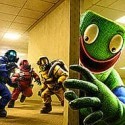







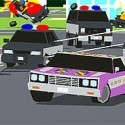





You pour the beer wrong, a regular gets loud about it, and within thirty seconds you’re breaking up a brawl you didn’t start while somebody yells that the pigs got loose out back. That’s a fairly normal shift in Roadhouse Simulator, a standalone prelude to Gas Station Simulator that puts you behind the bar as Uncle, a man taking over a rundown roadhouse on Route 66 with more problems than paying customers.
| Genre | Simulation, management |
| Perspective | First-person |
| Setting | Roadside bar, Route 66 |
| Reception | Mostly Positive user reviews |
Where most bar simulators stop at pouring drinks and wiping counters, Roadhouse Simulator keeps stacking systems on top of that basic loop until you’re juggling liquor distillation, illegal side work, and an underground Fight Club everyone insists on pretending doesn’t exist.
From Bouncer to Boss in Roadhouse Simulator
You start at the bottom of Uncle’s operation: pouring drinks, watching the door, and physically stepping in when a fight breaks out between regulars and rival gang members. It’s hands-on work, and the game treats every brawl as a small physics-driven mess you have to manage before it wrecks the furniture or scares off paying customers.
As the roadhouse earns money, you climb into management, hiring bartenders, servers, cleaners, and bouncers to absorb the daily grind you used to handle yourself. That transition is one of the more satisfying arcs in the game — the first night you’re not personally breaking up a fight because a bouncer you hired and trained does it instead feels like a genuine milestone rather than a menu upgrade.
Players who enjoy the management side tend to push expansion aggressively, adding new stations and attractions as fast as the economy allows. Players who prefer the hands-on chaos of the early hours often deliberately stay understaffed longer than they need to, just to keep doing the physical work themselves.
Distilling Liquor and Managing Consequences
Every drink you serve in Roadhouse Simulator has downstream effects. Different brews affect customers differently, and serving the wrong person the wrong thing at the wrong time turns a quiet night rowdy fast. Distilling your own liquor adds a full production chain on top of that — you’re processing, improving, and bottling alcohol rather than just restocking shelves, and getting the process wrong shows up later as unhappy or unpredictable customers.
This is the section of the game with the clearest bold-term learning curve: brew quality directly influences how customers behave once they’ve had a few, which means sloppy distilling doesn’t just cost you money, it actively increases how often you’re breaking up fights later in the same shift.
New players consistently underestimate this feedback loop. It’s easy to treat the distillery as a side activity while you focus on the bar itself, but by the second in-game week, ignored liquor quality starts generating problems faster than a single bartender can manage.
Hype, Pig Races, and the Fight Club Nobody Talks About
Roadhouse Simulator draws customers in through pig races, slots, gambling, and Hype Girls working the floor, all of which feed into a Hype meter that speeds up your overall progression the higher it climbs. The catch is that more Hype also means more people, and more people means more chaos to manage — brawls, messes, and drunk regulars who wander somewhere they shouldn’t.
Then there’s the underground Fight Club, tucked away as one of the roadhouse’s more lucrative and more legally questionable attractions. The game treats it with a wink — “just don’t talk about that one” is basically the official position — and it’s one of the more divisive systems among players, since it’s genuinely profitable but drags in law enforcement attention faster than almost anything else on the property.
Achievement hunters tend to gravitate toward the game’s stranger milestones, several of which reward exactly the kind of chaos the Hype system encourages rather than punishing it.
Dealing With the Law in Roadhouse Simulator
Crime leaves evidence, and running a roadhouse full of gambling, moonshine, and back-room deals means the law eventually comes knocking. Inspections, fines, and bribes form their own management layer, separate from the bar itself, and ignoring them tends to catch up with you exactly when you can least afford the disruption.
Community discussion around this system is split. Some players like that bribery is a viable strategy rather than a game-over trigger, since it keeps Uncle’s operation feeling morally grey instead of purely criminal or purely legitimate. Others find the inspection cadence a little too forgiving once your roadhouse income scales up, making bribes feel more like a minor tax than a genuine risk.
What Beginners Get Wrong at the Start
The most common early mistake is spending too much time personally serving customers instead of investing in staff. Roadhouse Simulator scales quickly, and players who delay hiring bartenders and cleaners tend to hit a wall around the point where brawls and mess-cleanup start outpacing what one person can physically handle in a shift.
How Progression Changes by the Time You Reach the Fight Club
Once you’ve unlocked the Fight Club, the tempo of the game shifts noticeably. Law attention increases, Hype climbs faster, and the balance between running a legitimate bar and running something closer to Uncle’s criminal enterprise becomes the central tension for the rest of a playthrough.
What players actually say about it: the game currently sits at Mostly Positive across its user reviews, with people frequently pointing to the pig races and the Fight Club as the moments where Roadhouse Simulator stops feeling like a generic management game and starts feeling like its own thing.
Roadhouse Simulator earns its charm from letting a genuinely absurd premise — pig races next to an illegal Fight Club, moonshine next to bribed inspectors — hold together as one coherent operation under Uncle’s roof. By the time you’re hiring your third bouncer just to keep up with the chaos your own Hype meter created, the game has made its case for why this particular Route 66 dive is worth the trouble.
Comments
There are no reviews yet. Be the first one to write one.