















TOEM 2













The camera in TOEM 2 is the only tool you carry, and it opens more doors than any key ever could. A single photo can solve a puzzle, uncover a secret or document a discovery, which turns every scene into a question about where to point the lens. It is a single-player, black-and-white adventure about wandering, helping people and chasing the mysterious events known as TOEMs.
The Camera in TOEM 2: Framing, Distance and Placement
The first thing newcomers notice is how little there is to fiddle with. Instead of exposure dials and lens menus, the camera cares about placement and distance, so the skill lies in choosing where to stand and what to include. That simplicity goes back to the first adventure, where the idea was to make the amateur photographer role feel natural rather than technical. Early in the game you will spend most of your time practicing that habit.
Look first, shoot second.
Photography here doubles as a record keeper. Photos document your discoveries, and some scenes only reveal what they hide once you have framed them properly. Players who treat every screen like a scavenger hunt will be happiest, because one well-chosen shot can matter more than any amount of wandering.
Camera Attachments and Problems Only a Lens Can Solve
Your camera has been upgraded, and the new attachments are the headline change. They can be used in unconventional ways to overcome different problems in each region, so a tool picked up in one place changes how you read the next. A little floating tripod even lets you take selfies, which is as charming as it sounds.
The best puzzle moments arrive when you realize an attachment you already own fits a problem you walked past earlier. Puzzle-minded players will enjoy that kind of backtracking, since the design rewards remembering what is in your bag. Each region asks for a slightly different way of thinking.
The first adventure drew some complaints about puzzles that felt obscure without outside hints or experimentation, and that is worth keeping in mind here. More attachments mean more room for solutions that need trial and error. Experiment for a while before reaching for a guide, because most of the fun is in the trying.
Hidden Paths, Viewpoints and Small Details
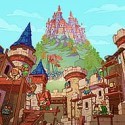
You run, jump and climb through all-new cozy environments, and the world is built to reward curiosity. Hidden paths, scenic viewpoints and small details sit in corners most people would skip. The striking black-and-white look gives every scene a graphic quality that makes wandering a pleasure on its own.
A simple routine works well in every region:
- Scan the edges of the screen for anything that looks out of place.
- Try the attachments you already have before leaving an area.
- Photograph anything strange, even when no puzzle seems to ask for it.
By the time you reach a later region, scanning for details becomes automatic. That is when the world starts to feel generous, because every shortcut or lookout you find tends to lead to a photo worth taking.
Quests, Critters and the Stamp Journal in TOEM 2
Along the way you meet a cast of quirky characters and adorable critters, lend a hand to new faces and form lasting friendships. Helping others is the second pillar beside exploration and photography, and the quests give each region its human side.
You fill your journal with stamps as you complete quests, document discoveries and expand your critter compendium. Completionists get a satisfying checklist that never becomes a chore, because nothing forces you to finish it.
Players who care more about characters than puzzles can lean on that helping side and treat the camera as a way to say yes to people. A photo taken for someone else carries a different kind of reward than a photo taken for a lock.
Setting Your Own Pace: Wholesome Without the Pressure
There are no time limits and no hard requirements for full completion. You can sit on a bench, listen to music, smell the flowers and admire the sights without anything chasing you. That is the cozy promise, and the whole design backs it up.
The adventure is built to welcome returning fans and newcomers alike, so playing the first one beforehand is optional. A demo is available on Steam if you want a taste of the camera before committing.
Not everyone will want this much calm. The original won best debut at the British Academy Games Awards, yet players still pointed to its short runtime and limited replay value, so anyone craving challenge or length should check how much the sequel adds. Slow, kind and gentle is the whole point, and it will not suit every mood.
Questions New Photographers Ask
Do I need to play the original before starting TOEM 2?
No. The sequel is made to welcome newcomers and returning fans alike, and the story centers on a fresh photo adventure chasing TOEMs. Playing the first one adds familiarity, but nothing requires it.
What do the camera attachments do?
Attachments let you use the camera in unconventional ways to overcome different problems in each region, on top of snapping photos for puzzles and secrets. A floating tripod handles selfies. Expect them to reshape how you approach exploration each time you pick one up.
Is there combat or a time limit?
No combat and no time limits. Stamps, quests and the critter compendium give you goals, but nothing demands full completion, so you can leave any region half-finished and come back later.
TOEM 2 is at its best when you stop rushing and let the camera lead: a new attachment, a quiet lookout, a critter waiting for its entry in the compendium and another stamp in the journal. The TOEMs keep pulling you forward, but nothing punishes you for stopping to smell the flowers. If you want a wholesome adventure where curiosity is the only currency, this is the one to pick up.
Comments
There are no reviews yet. Be the first one to write one.