















The Game of Life 2







How much control do you really have in The Game of Life 2 when a spinner decides how far every move goes? The honest answer is less than you might hope and more than the wheel suggests, because the real decisions sit at the crossroads and in what you choose to collect along the way. That mix of luck and small choices is what keeps a round moving.
How the Spinner Drives Every Turn in The Game of Life 2
Every turn starts the same way: you spin the spinner, move that many spaces along your life path and deal with whatever the space demands. Landing can mean buying a house, collecting a salary or drawing an Action card, and some spaces send you to a crossroads where a bigger decision waits. The rhythm is brisk, which matters when several players are waiting for their go.
A typical turn follows this order:
- Spin the spinner and move along the life path.
- Resolve the space you land on or pass, such as a payday or a house purchase.
- Make a choice if you reach a crossroads.
- Draw an Action card when the space calls for one.
- Pass the spinner to the next player.
Nothing in this loop needs a manual, and that is a real strength for a family table. The flip side is that nothing in the loop changes much either, and that sameness is what some players bring up once the novelty settles.
College or Career: The Decision Before the First Spin
Before the first spin you choose between college and a straight start in a career, and that single choice sets your direction before any luck gets involved. The spinner still decides how far you travel each turn, but this is the one moment where planning clearly comes before chance. It also gives the opening of a round a little personality, because two players at the same table can begin from different places.
Crossroads are where the game stops feeling like a pure race. By the time you reach the first crossroads, you have already seen enough spaces to judge whether your plan is working, and the choice you make there can change how the rest of your life path plays out. Players who like weighing options enjoy these moments most, while anyone hoping for constant decisions may find they arrive too rarely.
Careers, houses and paydays fill the gaps between those moments. None of them swings the result alone, but together they decide how strong your position looks near the end of the path.
Happiness, Knowledge and Wealth: What Replaces the Life Tiles
The original board game rewarded players with Life Tiles that turned into money at the end. The Game of Life 2 swaps them for Attributes, and they come in three types: Happiness, Knowledge and Wealth. Each type stands for a different idea of a good life, so the question becomes what you want your pile to look like rather than how much cash you hold.
Some players treat the Attributes as a balancing act and spread their choices across all three, while others commit to a single type and chase it. Neither approach is safe, because one flick of the spinner can undo a plan. Some players even root for a low spin, since a slower trip along the life path means more spaces and more chances to collect, though the spinner turns that wish into a gamble.
Strategy-minded players will like having something to optimize, and the summary at the end of a round, showing what each player did along the way, adds a little storytelling. Still, the system stays light. Choosing between Happiness, Knowledge and Wealth rarely feels heavy, and anyone expecting deep planning will find that the board does most of the thinking.
Where the Spinner Wears Thin for Players
The strongest criticism targets the way a winner gets decided. Reviewers have pointed out that the final result can come down to who spins highest, which fits the chance-heavy spirit of the original but feels thin in a digital adaptation with room for far more interaction. When a round of careful Attribute building ends in a coin-flip finish, some players feel their earlier choices counted for less than they should have.
Interaction between players is the second sore spot. Most turns are spent watching someone else spin, and the spinner mini games that sometimes have you winning money or paying another player only break the pattern now and then. Families with younger kids rarely mind, since the pace is easy to follow, while adults who want tension can find the rounds repetitive.
Money is the third argument. The base game includes the Classic World board with a few outfits, avatars and vehicles unlocked, and extra worlds are sold separately, which some players resent. Others point out that the extra worlds change the look rather than the rules, so skipping them costs nothing in how a round plays.
Classic World, Frozen Lands and Your Peg in The Game of Life 2
Cosmetics are where the app tries to stand out. You customize your peg with outfits, avatars and vehicles, and more of them can be unlocked as you play, which gives a reason to start another round even when the board itself feels familiar. The customization is quick and never gets in the way of the spinner.
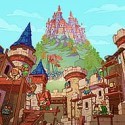
Extra worlds change the scenery rather than the rules. Frozen Lands, for example, adds a Snow Princess outfit and vehicles such as the Snowmobile, Reindeer and Sleigh, along with new careers. Those additions are fun to look at, but the spinner and the Attributes behave the same way everywhere, so the choice between worlds is about taste rather than strategy.
Playing with friends is straightforward: each person takes a turn at the spinner, and the app has offered in-game video chat so groups in different places can still sit at the same board. It works best with a small group that likes banter more than tension, because the round flows around conversation rather than around tough decisions.
The Game of Life 2 works best when you treat the spinner as the weather and the crossroads as your actual choices. Pick college or career, balance Happiness, Knowledge and Wealth as you see fit, and enjoy the Action cards for the small surprises they bring.
Comments
There are no reviews yet. Be the first one to write one.