















Kpop Game








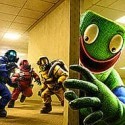

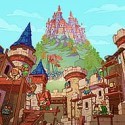




Kpop Game places its focus on the visual language and rhythm of K-pop culture, turning familiar idol imagery and music-driven timing into a compact interactive challenge. The game is less about a traditional adventure structure and more about recognizing patterns, keeping attention on the screen, and responding accurately when the pace changes.
| Genre | Music, rhythm, casual |
| Theme | K-pop and idol culture |
| Structure | Short rhythm or recognition challenges |
| Core mechanic | Match visual or timing cues with the required input |
Kpop Game and Rhythm Timing
Kpop Game is easiest to approach as a timing exercise. The player watches for a cue, identifies the expected response, and tries to act on the beat rather than after it. Early sections give enough room to learn the pattern, but faster sequences make delayed reactions much more noticeable.
New players often concentrate too heavily on the music and not enough on the visual cue. That can work when the rhythm is predictable, but it becomes unreliable when the pattern changes. A better method is to treat sound as support and the actual prompt as the final authority.
Players familiar with rhythm games will recognize terms such as perfect, miss, combo, chart, and timing window. A player coming from visual novels or casual games may need a few attempts to stop reacting to the animation itself and start anticipating the next input.
Idol Presentation in Kpop Game
The strongest part of the presentation is how quickly the game communicates its theme without requiring a large story. K-pop references, colorful screens, and music cues establish the mood while the actual interaction remains simple. That makes the game easy to sample in short sessions.
One thing players notice after repeating a section is that visual rhythm can become almost as important as the audio. A particular animation or screen transition can become a timing marker. Once that happens, a player can anticipate an input before the next beat is fully audible.
The divisive point is that the experience depends heavily on whether the player enjoys K-pop aesthetics. Someone looking for a deep rhythm system may find the structure light, while a casual fan can appreciate the theme and quick interaction.
Kpop Game Difficulty Curve
Difficulty increases when sequences become less forgiving and the player has less time to identify the next cue. The early game is mostly about learning the interface, while later moments test consistency. Missing once can also break concentration because the player starts watching the previous mistake instead of the next cue.
Advanced players can improve by looking slightly ahead of the active cue. This reduces the reaction delay that comes from waiting until an icon or prompt reaches its final position. It is a small habit, but it makes dense sequences feel much more manageable.
Players who chase high scores will naturally focus on combo preservation, while casual players may prefer simply clearing a song or challenge. Both approaches work because the core interaction remains readable even when the pace rises.
Kpop Game and Replay Practice
Replay value comes from tightening timing rather than unlocking a large world. The useful community vocabulary is usually tied to accuracy: combo, perfect, miss, chart, and timing window. These words describe exactly what players are trying to improve after a first clear.
A memorable playing detail is the moment when a sequence that felt chaotic suddenly becomes predictable. After enough repetitions, the player starts hearing the next beat while already preparing the corresponding input. That shift from reaction to anticipation is the main skill the game teaches.
Kpop Game is therefore most satisfying for players who enjoy repeating short sections until their timing becomes consistent. The theme supplies the personality, while rhythm practice supplies the reason to replay.
How do you improve timing in Kpop Game?
Watch the visual cue while using the music as a secondary timing guide. Looking slightly ahead in a sequence helps reduce delayed reactions and makes longer combos easier to maintain.
What should beginners focus on in Kpop Game?
Learn the input pattern before worrying about score. The early sections are useful for recognizing timing windows, while later sections become easier once the player anticipates rather than reacts to each cue.
Why do Kpop Game combos break?
A combo can break when an input is late, early, or simply mismatched with the current cue. The safest approach is to keep attention on the next prompt instead of dwelling on a previous miss.
Kpop Game works as a compact rhythm challenge where idol-themed presentation supports a simple skill loop. Once the player learns to anticipate cues, protect a combo, and use the music as timing support, the screens become much easier to read.
Comments
There are no reviews yet. Be the first one to write one.