















Ms. LemonS
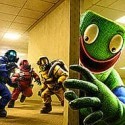



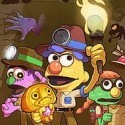


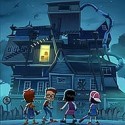






In Ms. LemonS you start at a bright classroom desk, facing a lemon in glasses who wants to test your knowledge and a stack of maths tasks you cannot restart cleanly if things go wrong. That setup matters more than it first looks, because the game treats a single wrong answer as a real cost and not a gentle hint.
Surviving the Classroom Rules in Ms. LemonS
The greeting sets the mood right away: Ms. LemonS has been waiting a long time for a worthy student, and she is thrilled you finally showed up. She hands you a series of tasks, and every correct answer earns stars. Every wrong answer earns a punishment that the cheerful classroom does nothing to soften. The game also nudges you to manage your resources carefully, which is a polite way of saying your sanity is one of them.
The look is a mask. A children’s lesson on the surface, a horror game underneath.
Beginners usually assume the maths will be easy because it looks like schoolwork. The interactive tutorial teaches you how to click and answer, but it does not prepare you for the dread of a wrong answer. Point-and-click fans settle in quickly, while players who expected a harmless educational game often freeze the first time a mistake costs them something permanent.
Multiplication, Sums, and Quadrilaterals: What the Lessons Ask
The tasks come from three familiar corners of school maths: multiplication tables, addition and subtraction sums, and quadrilateral geometry. Each type tests something different. Multiplication tables reward memory, sums reward careful counting, and quadrilaterals reward patient reading, which is why players who breeze through one lesson can still stumble on the next.
Speed is not the goal. Accuracy is.
Once the quadrilateral questions show up, many players slow down, because shapes that look alike on screen can have very different names. The common beginner habit of answering from instinct becomes expensive here, so seasoned students read the whole question before touching an answer. Anyone who disliked geometry at school will recognize the mild panic, and the game plays on that feeling deliberately.
Stars, the Shop, and Artifacts: Making Mistakes Cheaper
Stars are the currency that keeps a run alive. You earn them by solving tasks and spend them in the shop on items and artifacts that make the next question easier. The advanced habit most players miss is saving stars for things that cushion mistakes instead of buying whatever looks shiny, because a cheap upgrade today can leave you helpless tomorrow.
Your stars matter outside this classroom too. Community advice for Mr. TomatoS says to play her lessons to afford the High-Tech Blender, which means every star you waste here can cost you points there. The two games share an economy of effort, and careless spending in one hurts you in the other.
Resource-minded players enjoy this part most, since every purchase becomes a small bet on how many mistakes you expect to make. Early in the game spending freely feels harmless, but by the time the harder lessons arrive, the students who hoarded wisely are the ones still standing.
Losing a Hand, Losing an Eye: How Penalties Change Your Run
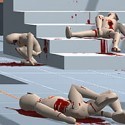
The penalties are what make the game memorable. Get a question wrong and Ms. LemonS can chop off your hand or gouge out an eye, which leaves half the screen blind. The injuries are not just shock value, because a blinded screen makes the next question harder to read, and a harder question makes the next mistake more likely.
That snowball is the real lesson. One slip can quietly turn into three.
Players recall a particular moment: the bright, friendly theme keeps playing while half of your view goes dark. The contrast is what horror fans point to when they call the game clever, since it takes a school lesson and turns it into something you cannot relax inside. Players who enjoy fourth-wall-breaking surprises tend to love this, while anyone sensitive to graphic punishment may prefer to skip it.
A boss battle added through a patch raises the pressure further. Stars, items, and artifacts matter more than ever once you reach it, because careless reading no longer just costs you a limb but threatens the entire run.
How Ms. LemonS Connects to Mr. TomatoS and the One-Playthrough Rule
The two games are tied together. The full story expects the Mr. TomatoS companion, and players often suggest finishing or resetting that game first and then returning to the classroom. The tag her-name-is-the-key also nudges players to treat her name as a clue, which keeps the community hunting for secrets long after the maths is solved.
Like its companion, the game can only be completed once, though a progress reset after finishing unlocks more endings.
The honest complaint is clarity. Players still ask which files or companion games are truly required, and the one-playthrough rule can feel harsh when a bad answer ends a long run. Horror fans enjoy the surprise, completionists enjoy chasing every ending, and both groups argue happily about the right order.
Quick Answers for New Students
Do you need Mr. TomatoS to play Ms. LemonS?
The classroom runs as its own game, but the full story leans on the Mr. TomatoS companion. If you want every ending and the full set of secrets, play both and follow the community advice about resetting in the right order.
What happens when you answer wrong in Ms. LemonS?
Ms. LemonS punishes mistakes with injuries, including the loss of a hand or an eye that blinds half your screen. Each penalty makes the next question harder, so careful reading matters more than speed, and items from the shop can soften the damage.
How do you earn stars in Ms. LemonS?
You earn stars by solving her tasks, then spend them in the shop on items and artifacts. Spend carefully, because the same stars can also fund the High-Tech Blender in the companion game.
Ms. LemonS rewards the student who reads each question twice, protects both hand and eye, and spends stars on items and artifacts that soften the next mistake. Treat the multiplication tables and quadrilateral questions as a real exam, and her bright classroom stops being a lesson and starts being a test of nerve.
Comments
There are no reviews yet. Be the first one to write one.