















Pibcremental


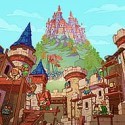












You hatch your first Pib, drop it into a building, and watch Papa Pib’s tiny tree start paying out while you sit back and do nothing. That quiet moment is the hook of Pibcremental, a cozy idle-incremental clicker about a civilization of Pibbles climbing through a giant tree in a post-human world. The numbers creep up gently at first, then start sprinting, and soon you are weighing every Pibbit like a tiny accountant. What follows covers how the loop works, where new players waste time, and what the long run asks of you.
| Genre | Cozy idle-incremental clicker with light management |
| Platform | PC (Steam) |
| Players | Single-player |
| Setting | A giant tree in a post-human world |
| Core loop | Hatch Pibs, assign them to buildings, grow the tree, prestige |
How Pibcremental Grows From One Tiny Tree Into a Civilization
Everything starts with Papa Pib and a small tree. You hatch new Pibs, assign each one to a building, and the buildings generate resources on their own, so the game is already working before you touch anything. The real gate on progress is the tree. Spending resources to grow it unlocks new quirky buildings, and each building brings its own resource and its own upgrade path. That is why the early minutes feel like a steady stream of new things to poke at rather than one number grinding upward, and it is a big part of why the pace stays relaxed instead of stressful.
Passive upgrades are what make idle play work. Buy them for your Pibs and resources keep rolling in while you are away from the screen.
Specialised workers appear as the tree branches out. Sap pibs and scrap pibs are the clearest examples, and upgrading scrap pibs until each one carries 10 pieces of scrap is a small change that quietly lifts your whole economy. Anyone who enjoys spreadsheet-style incrementals will feel at home, because every upgrade is a visible multiplier you can reason about instead of a vague stat bump.
Early Mistakes With Pib Assignments
The most common beginner habit is piling every new Pib into the building that already pays best. It feels efficient for a while, then you notice that freshly unlocked buildings are sitting empty and your growth has flattened. Keeping at least one Pib in every building at the same time feeds each resource into the next stage of the tree, and the game even tracks that habit as a milestone.
The second mistake is ignoring the clicking side. Buildings respond to clicks, and early in the game those clicks matter more than the word idle suggests.
A third trap is waiting too long to grow the tree, because the tree is what reveals new buildings and a stalled tree means a stalled economy. A short checklist keeps you honest during the first hour:
- Check which buildings are empty before buying another upgrade for a busy one.
- Click newly revealed buildings for a few rounds to see how much they add.
- Grow the tree whenever you can afford it, since new buildings are where growth comes from.
Special Events, Relics and Click Bars in Pibcremental
Special events break up the idle rhythm, and they are where the game gets its chaotic side. Play through them and they pay out extra resources or relics, and relics are the better prize because they give lasting advantages to the buildings they boost. The variety is wide: a Scrap Dig event where you clear mounds, with five mounds in a single event counted as a milestone, a Special Sap Event with a top reward tier, and rainbow silkworms that you have to scratch before they despawn. Finishing 100 special events is one of the long-term goals, which tells you how central they are to the loop.
Click bars are the other active layer. Unlocking and filling all five at the same time is a proper target for players who like to keep their hands busy.
This is also where opinions split. Active players enjoy the bursts of clicking and the chance to own five different relics at once, while those who want a fully hands-off idler may find the events demanding. If you sit in that second camp, expect to treat events as optional boosts rather than the core of your run.
Prestige Points and Your First Reset
Prestige is the backbone of long-term progress. You earn Prestige points, restart the run, and spend those points on permanent buffs in a prestige tree with several branches. By the time you reach your first prestige, the reset can feel like throwing away an afternoon of work, and plenty of players hesitate at that button. The trade pays off because every new run climbs faster than the last, and the first prestige is its own achievement for good reason.
Keystones add a layer of planning. You can buy one, respec, and pick a different Keystone later, so a poor choice is never permanent.
The numbers give you targets. Gathering 7 prestige points in a single run before resetting is a milestone, and spending 42 prestige points in total pushes you deep into the tree. Completionists will chase the last node of every branch, while casual players can stop after a few resets and still feel the difference in speed.
Late-Run Goals: Balloon Factory, Megapib and the S.N.A.F.U
The achievement list hints at what waits deeper in the tree. The Balloon Factory has seven automatic pumps to buy, the S.N.A.F.U has sections to unlock, Battery efficiency can reach 100%, and making Megapib fall asleep is a goal of its own. Reading those names early is a good way to see where your resources are headed, even before the details make sense.
Smaller collection goals sit alongside them. You can brew every juice once, keep every juice bottle full at the same time, and buy 6 different costumes.
Scale is the other theme. Having 100 Pibs working at once, spawning 2500 Pibs in total, and earning one trillion Pibbits are the long-haul numbers. By the time you are chasing the S.N.A.F.U sections, your early assignments will look tiny, and that sense of growth is the reward the game is built around.
Pibcremental Questions Players Keep Asking
How does prestige work?
You earn Prestige points during a run, then restart and spend them on permanent buffs in the prestige tree. Keystones can be swapped through a respec, so you can test different paths without losing your points for good.
Does progress continue when you are not clicking?
Yes, because Pibs assigned to buildings keep producing and passive upgrades keep resources flowing while you are away. Clicking buildings and playing through special events speeds things up, but it is not required to keep the economy moving.
What do sap pibs and scrap pibs do?
They are specialised worker types you assign in numbers, and the game tracks milestones for both, such as assigning 10 sap pibs. Scrap pibs can be upgraded until each carries 10 pieces of scrap, which improves your scrap income directly.
Pibcremental works best when you let Papa Pib’s tree breathe, spread your Pibs across every building, and treat each prestige as a faster restart rather than a loss. Aim for the Balloon Factory pumps and the first S.N.A.F.U section, and the long climb to a trillion Pibbits starts to feel like a series of small, satisfying wins.
Comments
There are no reviews yet. Be the first one to write one.