















MONOCHROME















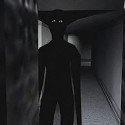
In MONOCHROME you wake up inside a sealed room with no obvious way out, and the first task is not to run but to understand the space around you. The exit is locked, while an abandoned network of corridors waits beyond the starting area. Four keys and one code are required to escape, so careful exploration matters more than rushing forward. The unsettling feeling comes from knowing that something is watching while you search, making ordinary corners and empty passages feel suspicious.
| Genre | Puzzle horror escape |
| Platform | Roblox |
| Main objective | Find four keys and one code, then escape |
| Players | Solo-focused exploration |
MONOCHROME and the Sealed Starting Room
The opening room teaches an important habit immediately: inspect before moving. Walls, corners, surfaces, and objects can hide useful details, while a quick camera sweep can reveal things that are easy to miss when you head straight toward the apparent exit. The game rewards players who treat every part of the room as potentially relevant rather than assuming the obvious path is the correct one.
Once you begin searching, the four keys become the clearest measure of progress. The keys are scattered through the abandoned corridor network, and finding one does not mean the nearby area is completely solved. Players who enjoy methodical exploration will usually have an easier time because returning to an earlier room can reveal something overlooked during the first visit.
The code creates a second objective alongside the keys. You are not simply collecting objects and walking toward an exit; the escape requires keeping track of everything discovered during exploration. A common beginner mistake is remembering that a room looked empty and refusing to check it again, even when the remaining objective proves that something important has not yet been found.
Searching the Corridors in MONOCHROME
The abandoned corridors are designed to make navigation feel uncertain. Similar-looking spaces can weaken your sense of direction, especially when you are concentrating on finding another key. A useful approach is to mentally divide the route into rooms and passages, then remember which areas have already been searched instead of wandering randomly.
By the time you have collected several keys, retracing your route becomes increasingly valuable. The game can make a previously familiar location feel different simply because you are returning with a new objective. Completionist players are likely to check every corner, while impatient explorers may move ahead and later discover that one missing key forces them to backtrack through the same corridors.
The atmosphere also changes how players interpret ordinary sounds and movements. MONOCHROME is built around the idea that something is watching, so an unsettling sound can make you stop searching even when nothing has actually blocked your route. That tension is effective, although some players may find the uncertainty frustrating when they are trying to determine whether a strange moment is an intentional scare or simply part of the developing horror design.
Keys, Code, and Escape Routes
The four keys are the most concrete objectives in the game, but collecting them is only part of the solution. Keeping count is useful because it immediately tells you whether the corridor network still contains something worth searching for. If three keys are secured, the missing fourth key should remain the focus rather than repeatedly testing an exit that cannot yet be completed.
The code works differently because it represents information rather than another physical key. Searching carefully for clues is therefore just as important as checking objects that can be collected. Players familiar with escape-room puzzles will recognize this rhythm: observe the environment, test a possibility, remember the result, and return to an earlier area when the available evidence points back there.
Once all four keys and the code have been found, the objective becomes much clearer, but reaching that point is where most mistakes happen. Losing track of an unexplored corner or assuming that a strange wall has no purpose can extend a run considerably. The strongest strategy is simple but demanding: search thoroughly, remember what you have checked, and do not let the atmosphere rush your decisions.
What Makes MONOCHROME Uncomfortable
The horror works because the game does not need constant action to keep attention high. Empty corridors, limited information, and the suggestion that something is observing you create pressure while you are performing ordinary puzzle tasks. That contrast is especially noticeable when you stop moving to inspect a room and realize how little you know about what might be nearby.
Players who prefer atmospheric horror will probably appreciate this slower tension, while puzzle-focused players may pay more attention to the practical problem of locating every required objective. The community response has also highlighted the game’s frightening atmosphere, with multiple walkthrough videos appearing soon after its release. At the same time, the project is described as early development, so bugs and rough edges are an acknowledged part of the current version.
The experience is most effective when you allow the environment to create uncertainty instead of trying to force every moment into a predictable pattern. MONOCHROME does not need a crowded cast of named characters to maintain tension. The sealed room, four keys, hidden code, abandoned corridors, and feeling of being watched provide enough structure for the horror to build naturally around exploration.
How many keys are required to escape?
MONOCHROME requires four keys before the escape can be completed. If one key is still missing, revisit previously searched rooms and examine corners, surfaces, walls, and possible passages rather than assuming the objective has failed.
What is the code used for?
The code is a separate requirement from the four keys and forms part of the final escape objective. Players should treat discovered information as carefully as physical collectibles because having all four keys does not by itself complete the puzzle.
What should you do when you cannot find the last key?
Return through the corridor network systematically and check locations again. MONOCHROME is built around thorough searching, so a missed corner, surface, or passage is more likely to explain the problem than a need to move randomly into new areas.
MONOCHROME turns a simple escape objective into a tense search through abandoned corridors, where four keys and one code determine progress while the feeling of being watched keeps every return trip uncomfortable. The sealed starting room establishes the rules, but the careful search for keys and the final code is what gives the game its distinctive rhythm. If you enjoy puzzle horror built around exploration, uncertainty, and methodical discovery, MONOCHROME offers a focused challenge where even a familiar corridor can feel different when you know something may be watching.
Comments
There are no reviews yet. Be the first one to write one.