















Dressmaker









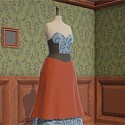
Dressmaker looks like a soft, pastel dress-up game, but it plays like a small workshop where every decision on the cutting table shows up on the finished gown. There is no menu of presets to pick from. You choose the cloth, place each pattern piece, run the seams through the sewing machine, and hand the result to a townsperson who will judge exactly what you made. That craft-first approach is why the game keeps turning up in cozy simulation conversations.
| Genre | Cozy crafting simulation |
| Mode | Single-player |
| Platforms | PC (Windows and macOS) |
| Core loop | Commissions, cutting, sewing, decorating |
| Fabric families | Cotton, linen, wool, silk, velvet |
| Achievements | 32 |
Sketchbook First: Planning a Commission in Dressmaker
Every dress starts in the sketchbook, where you design and colour the garment, pin fabric samples to each panel and add appliqué before any cloth is cut. A townsperson arrives with an event and personal tastes, and the sketchbook is where that request turns into a plan. It pays to slow down here, because the decisions made on this page carry through to every later stage.
Beginners often treat the sketchbook as decoration, but it works more like a contract with yourself. You can choose a different fabric for each panel, so the plan can be as plain as a single cotton skirt or as layered as a velvet bodice paired with linen sleeves. Perfectionists who love planning will feel at home, since nothing gets cut until the design looks right.
Colour choices carry weight too, because a customer’s taste is part of what earns coin and reputation. Before leaving the sketchbook, a quick pass keeps commissions from going sideways:
- Confirm the colour of every panel against what the customer asked for.
- Check that each fabric sample suits the occasion.
- Place appliqué now, while changing your mind is easy.
Cutting on the Grain or on the Bias
The cutting table is where the game separates itself from a typical dress-up toy. Each pattern piece can be lined up with the grain of the fabric or turned to sit on the bias, and that choice is visible on the final dress. Real sewing treats a bias cut as more fluid than a piece cut on the grain, and the game borrows that logic, so the same pattern can look structured or soft depending on how you rotate it.
Beginners get this wrong by dropping pieces wherever they fit on the cloth to save space. Fitting is only half the job, since placement decides how the finished garment reads. Once you start caring about grain, the cutting table becomes a small puzzle of rotation, panel choice and leftover fabric.
The mannequin preview is the safety net. Once you make a habit of previewing your arrangement on the mannequin before the sewing machine, mistakes get caught while they are still cheap. Sizing is simplified so pieces adjust to different clients, and cloth is not simulated as real physical fabric, which some players find a relief and others find a little artificial.
The Sewing Machine and Its Infinite Bobbin
After cutting, you feed the fabric through the sewing machine to stitch the panels together. The machine has a vintage look and an infinite bobbin, so you never stop mid-seam to refill thread, which keeps the rhythm relaxed. It is a satisfying, tactile stage that suits the calm tone of the whole shop.
Sewing is the shortest stage, and that surprises people who expect the machine to be the centerpiece. Most of the skill lives in the choices made before the needle moves, so the machine feels like the reward for a good layout rather than a separate challenge.
Achievement hunters will notice the humor in the list of 32 Steam achievements, with names such as Harder than it Seams and Snitches Get Stitches. The wordplay hints at the tone: playful, a little mischievous, and never grim.
Buttons, Bows and Lace: Personal Touches in Dressmaker
Decoration is where players stop following instructions and start signing their work. Buttons, bows and appliqué can go wherever you like, and lace trims and other accessories add another layer of detail. The creative latitude is wide, and the game does not insist on garments that would be practical to wear on a real street.
Some players lean into restraint, with one bow and a clean neckline. Others pile on trims until the dress becomes a statement piece. Either approach can work, but a dress covered in flourishes can impress a customer or miss their taste entirely, so decoration belongs to the same balancing act as fabric choice.
Design-minded players will spend the most time here, layering appliqué over a panel and then stepping back to see how the whole dress reads.
Coin, Reputation and the Shop Window
Handing a finished dress to a customer pays in both coin and reputation. Coin buys a wider range of fabrics, including wool, silk and velvet alongside cotton and linen, while reputation shapes how the town sees your shop. As both grow, the requests become more demanding, which is the slow rise in difficulty hiding under the cozy surface.
The shop window gives you a second income stream. You can display your own designs and sell pre-made dresses off the rack, which is a welcome break from commissions when a customer’s brief feels too demanding. Once the window is stocked, the shop starts to feel like your own creative space instead of a queue of orders.
The honest concern is repetition. Some reviewers worry that commissions could start to feel familiar over a long session, and the game’s staying power depends on how much variety the requests and decoration options offer. The shop kitty deserves a mention too, because petting it is a listed feature and a genuinely calming moment between orders.
Satisfy or Sabotage: The Mischievous Side of Dressmaker
The store page is upfront that you can satisfy townsfolk or sabotage them. A dress in clashing colours or with a mismatched trim can still be a perfectly wearable garment and still ruin a customer’s big day. The fun of the option is that it exists at all, and it gives the shop a personality that a sterile crafting tool would lack.
Most players start by trying to please. Because coin and reputation drive progress, deliberate sabotage works best as a side experiment rather than a strategy. Those who try it usually wait until they understand grain, bias and taste well enough to know exactly what would go wrong.
Whether that mischief is a highlight or a distraction is a matter of taste. Some players enjoy the dark humor, while others prefer to keep the shop wholesome and never touch the sabotage route.
Questions New Players Ask Before Their First Commission
What is the difference between cutting on the grain and on the bias in Dressmaker?
Cutting on the grain means the pattern piece follows the direction of the fabric threads, while cutting on the bias means turning the piece diagonally. The choice changes how the finished dress looks, so use the mannequin preview before sewing. A good first experiment is to lay the same piece both ways on a plain cotton panel and compare the results.
Can you sabotage customers in Dressmaker?
Yes, the store page describes satisfying or sabotaging townsfolk with your dresses. A dress that misses the brief will not pay like one that hits it, so most players try sabotage for fun after learning how the sketchbook, cutting table and trims affect the final result.
Can you sell dresses without a commission in Dressmaker?
Yes. The shop window lets you display your own designs and sell pre-made dresses off the rack, with no customer brief attached. It keeps coin moving between commissions and doubles as a place to show off your boldest ideas.
Anyone who enjoys planning in the sketchbook, lining up pattern pieces on the grain or the bias, and checking the mannequin before the sewing machine hums along will find Dressmaker easy to settle into. The infinite bobbin and the shop kitty make long sessions feel gentle, while the town’s tastes keep every dress a small challenge.
Comments
There are no reviews yet. Be the first one to write one.